Optimized for high-density metropolitan distribution, our primary solutions power robust passive optical distributions across Mexico DF.
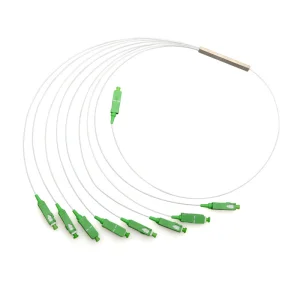
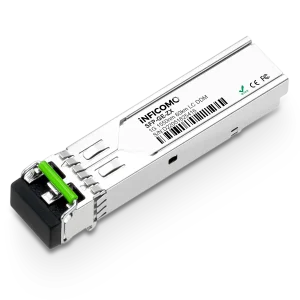
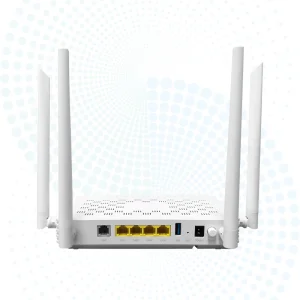
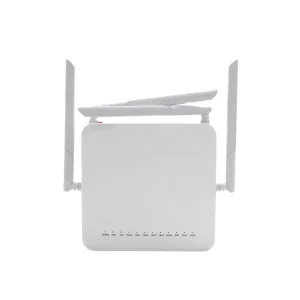
Mexico City (CDMX) is currently undergoing one of the most aggressive digital transformations in Latin America. Driven by the rising demand for cloud services, industrial automation, Smart City initiatives, and home-office setups, major ISPs (such as Telmex, Megacable, and Totalplay) are shifting entirely away from legacy copper/HFC infrastructure to pure FTTH (Fiber-to-the-Home) networks.
Operating in a seismic valley like Mexico City presents distinct structural challenges. The dynamic subsoil movements, high population density, and frequent construction expansions require physical layer components (specifically passive optical splitters) to possess high tensile strength, outstanding thermal stability, and low polarization dependence. In places like Polanco, Santa Fe, and Coyoacán, underground ducts and aerial optical cabling routes endure environmental stresses ranging from intense UV radiation to heavy seasonal rains. Thus, deployment engineers cannot compromise on component quality.
Equipment deployed across Mexico City must adhere to the stringent guidelines set by the Instituto Federal de Telecomunicaciones (IFT) and Mexican Official Standards (NOM). As an ISO 9001 certified manufacturer, Shenzhen Soras Technology Co., Ltd. ensures all supplied fiber splitters, ONUs, and transceivers meet international Telcordia standards (GR-1209-CORE & GR-1221-CORE) to guarantee long-term stability and compatibility with local network designs.
In large-scale optical infrastructures, choosing the correct passive components impacts both budget and system integrity. Modern telecommunications operators in Mexico rely primarily on PLC (Planar Lightwave Circuit) splitters rather than older FBT (Fused Biconical Taper) technology for distributions higher than 1x4.
PLC Splitters utilize semi-conductor technology to deposit silica glass waveguide arrays onto a silicon substrate. This design allows uniform light splitting from one or two input fibers to multiple output fibers (up to 1x128 or 2x128). This makes them indispensable for FTTH networks in dense zones like Gustavo A. Madero or Iztapalapa, where large-ratio splits are necessary to optimize cost per port.
| Performance Metric | FBT Splitter (Coupler) | PLC Splitter (Soras Standard) | Impact on CDMX Deployments |
|---|---|---|---|
| Operating Wavelength | Single/Dual/Triple windows | 1260nm ~ 1650nm (Full spectrum) | Enables seamless upgrade to GPON/XGS-PON coexistence |
| Split Uniformity | Poor (depends on split ratio) | Excellent (≤ 0.8dB for 1x8) | Ensures identical optical signal quality for all subscribers |
| Temperature Stability | High drift (≤ -5°C to +75°C) | Stable operation (-40°C to +85°C) | Withstands CDMX outdoor cabinet heat & dynamic environment |
| Footprint / Size | Larger sizes for high ratios | Highly compact (mini-module) | Fits easily in packed splicing trays and closure boxes |
To prevent signal loss issues that drop subscriber connections, CDMX system designers calculate optical path budgets with strict limits. Our premium PLC splitters exhibit an insertion loss rate that sits significantly below industry averages. For instance, a Soras 1x8 mini-type PLC splitter maintains an insertion loss of ≤ 10.5dB (including connectors), compared to the standard 10.8dB. This slight gain of 0.3dB per splitter translates to longer span potential or cleaner signals for customers situated on the outer edges of the fiber distribution area.
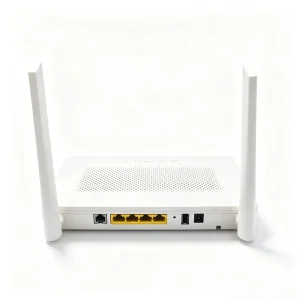
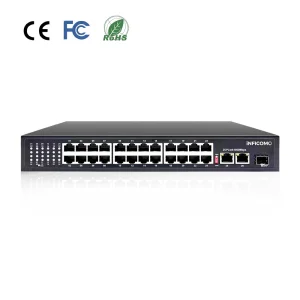
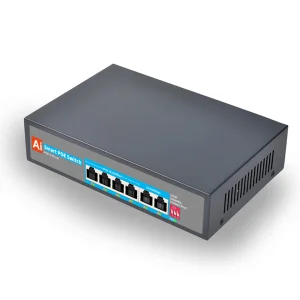
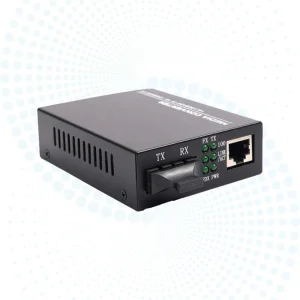
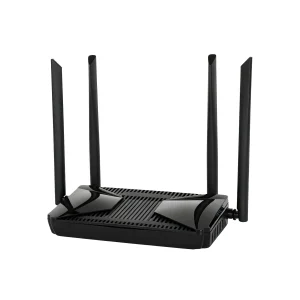
Integrate high-speed routing, POE distribution, and media conversion tools into your regional network design.
As the digital economy grows, Mexico-based operators require more than high-quality components. They need a manufacturing partner capable of adapting to fluctuating project demands with efficiency. Shenzhen Soras Technology Co., Ltd. fulfills this requirement by utilizing a structured China Factory 4.0 production framework that balances speed, flexibility, and quality control.
Located in Guangdong, China, our modern facility features state-of-the-art SMT (Surface Mount Technology) assembly lines and automated optical alignment systems for PLC splitter construction. Human error is mitigated by utilizing advanced visual sorting and mechanical alignment arms, which maintain a consistent precision that traditional manufacturing struggles to duplicate.
Every optical component shipped to North and South America undergoes an extensive, multi-step validation sequence. This testing process is designed to prevent onsite installation failures, saving field engineers hours of debugging time:
Soras Technology operates with an annual revenue of US$5 Million to US$10 Million. We serve key global markets including South America, North America, and Europe. Our commitment to quality is reinforced by our active certifications: ISO 9001, CE, FCC, RoHS, and UL.

Soras Production Center
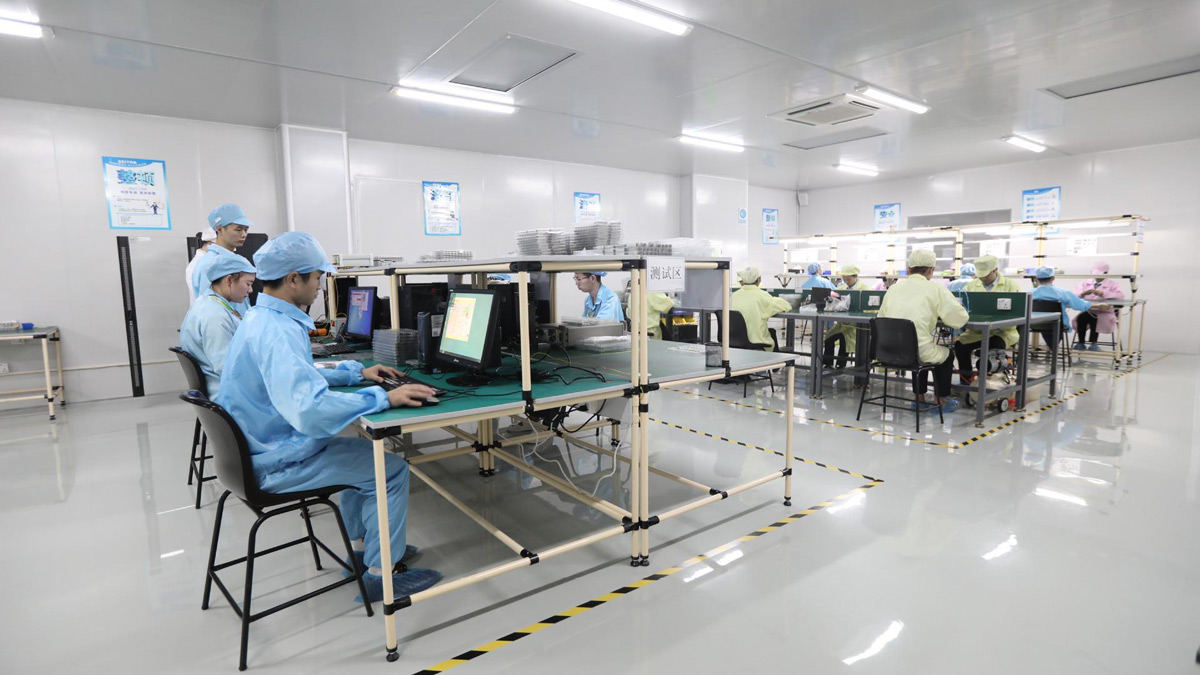
Quality Inspection Station
Cleanroom Assembly Area
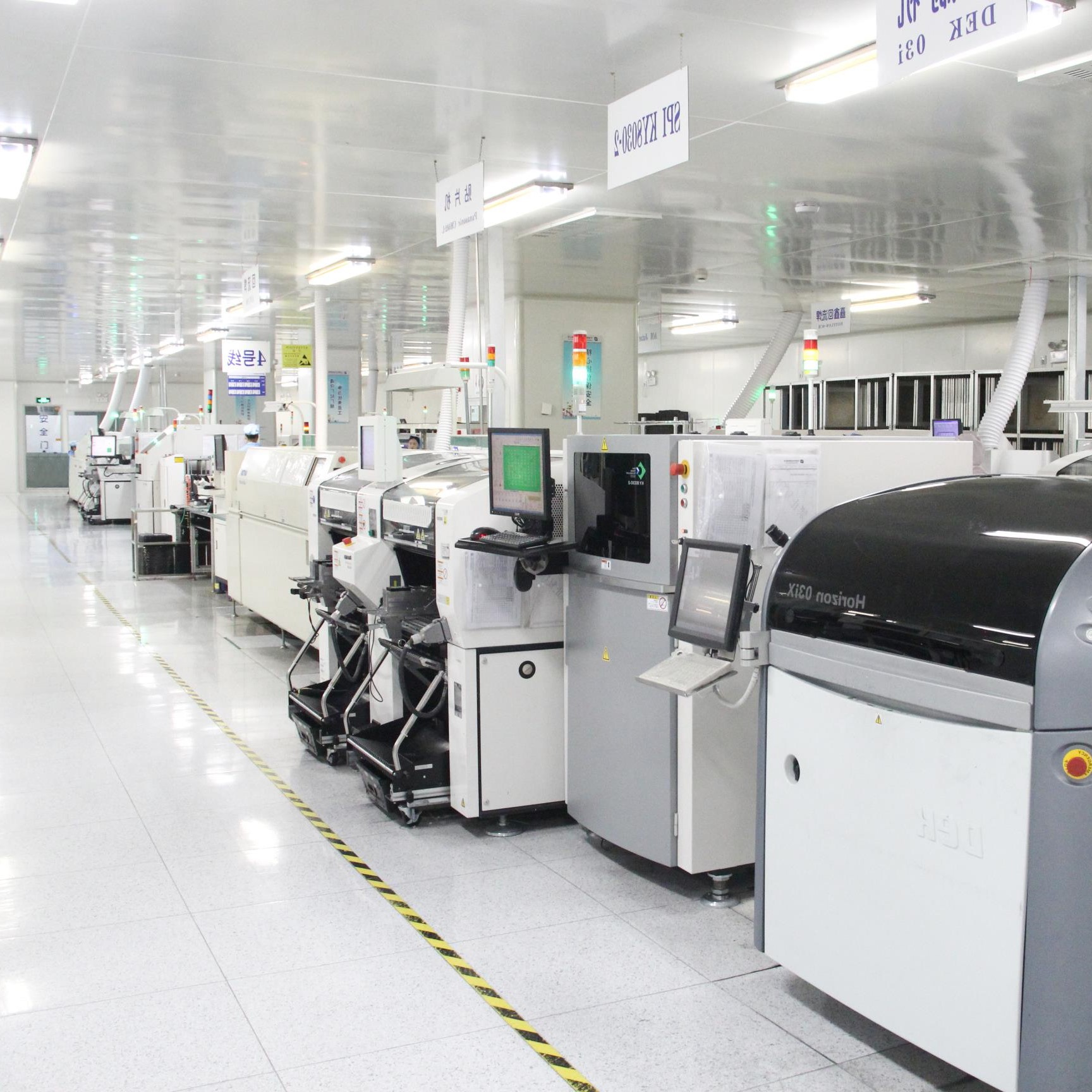
SMT Production Line
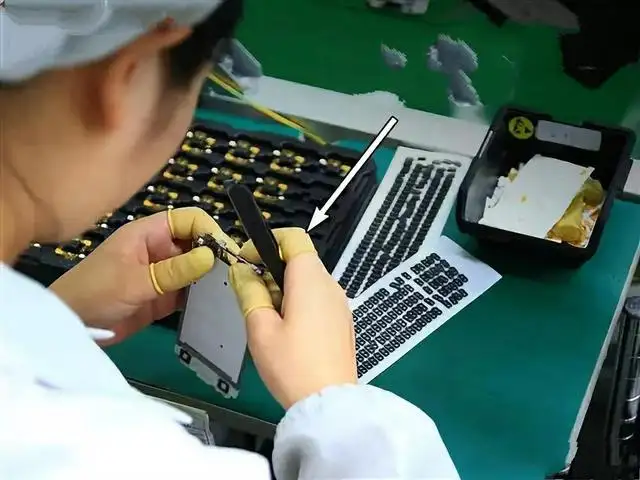
QC Testing & Calibration
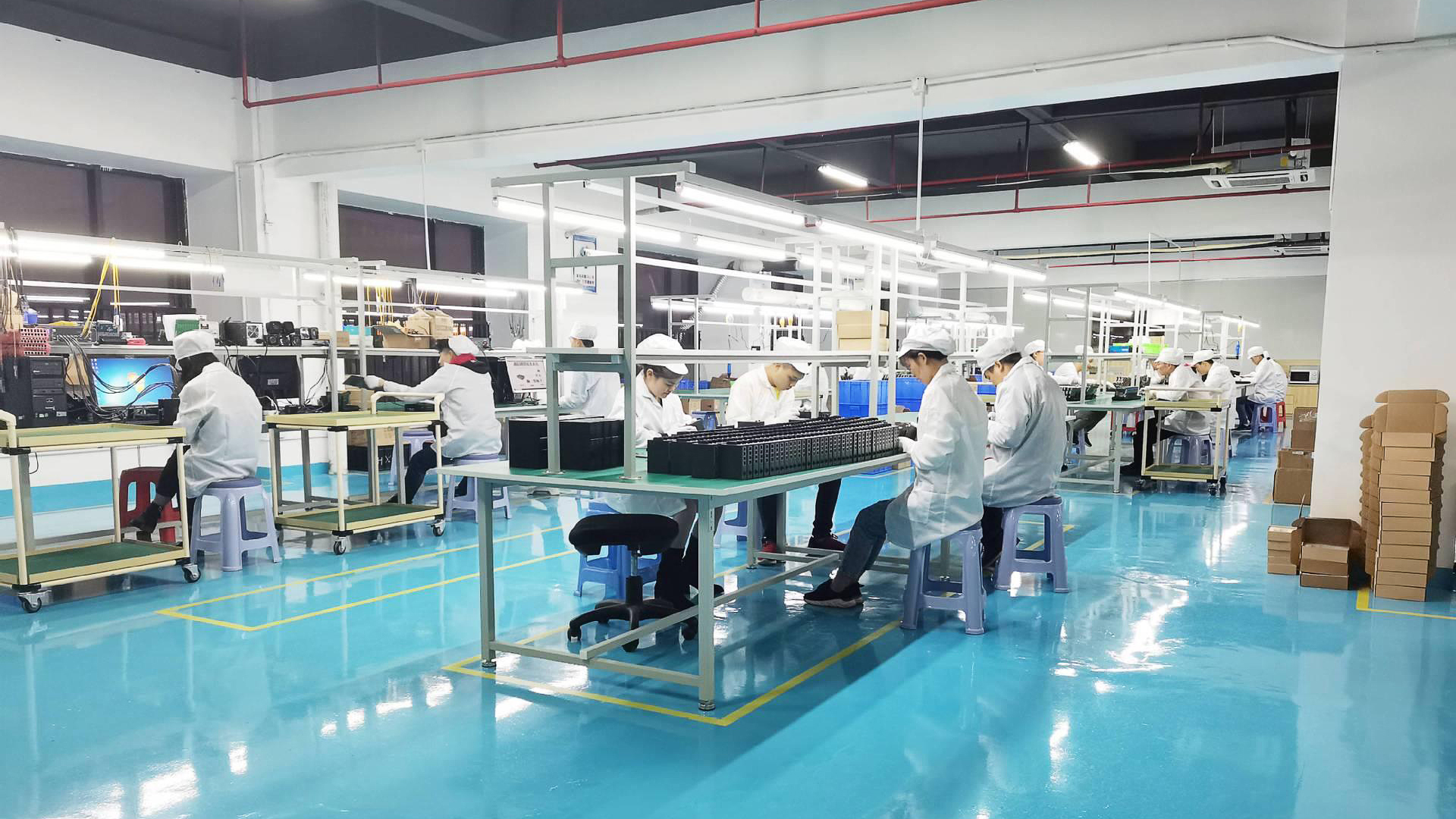
Final Device Splicing & Packaging
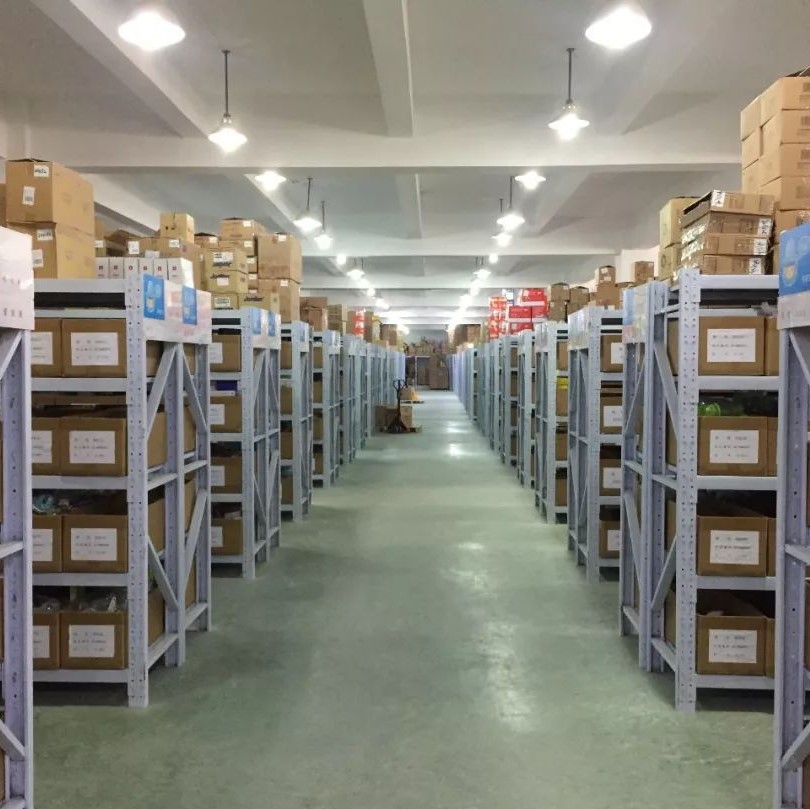
Secure Inventory Logistics Warehouse
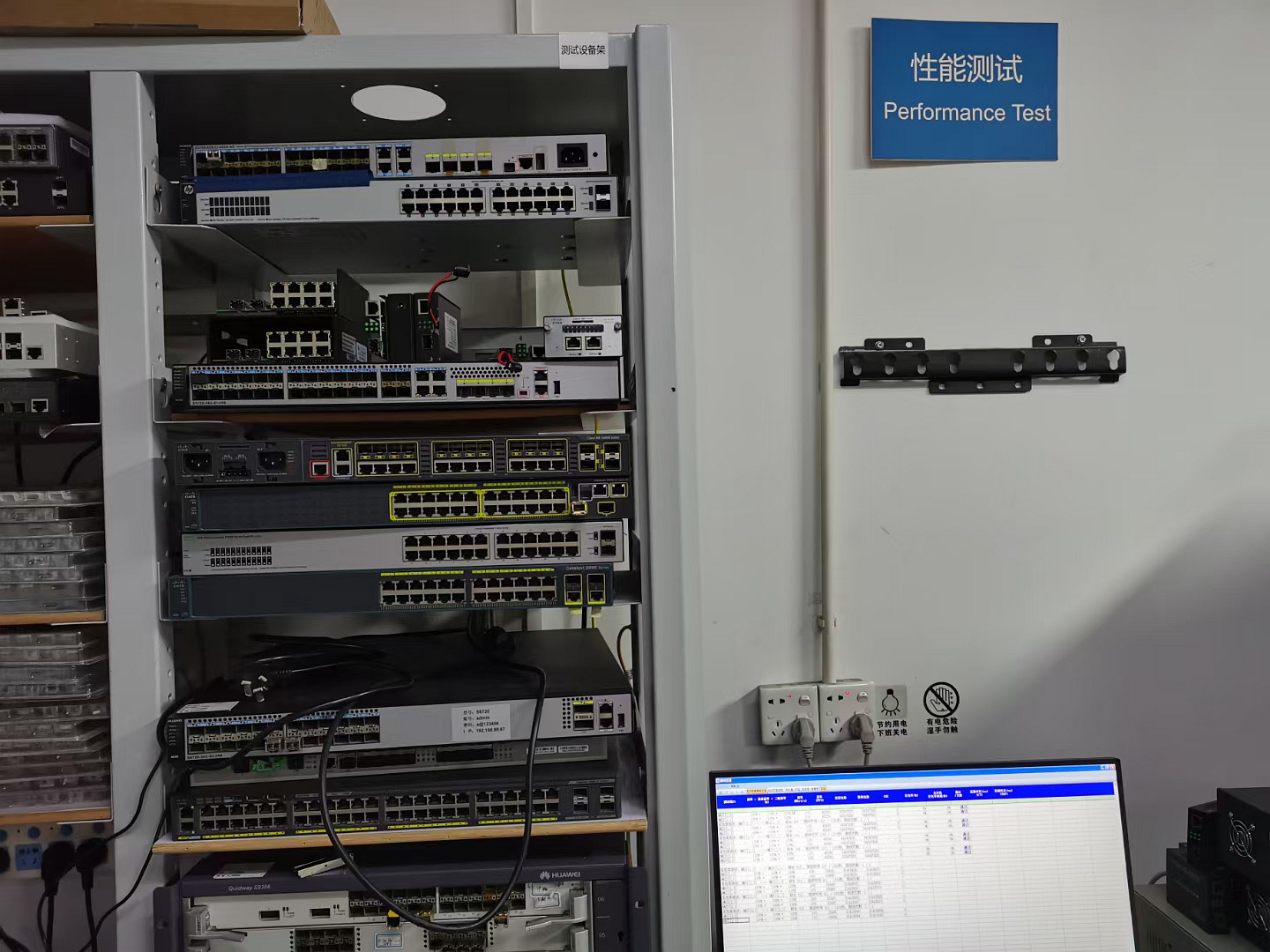
Simulation Testing Rack
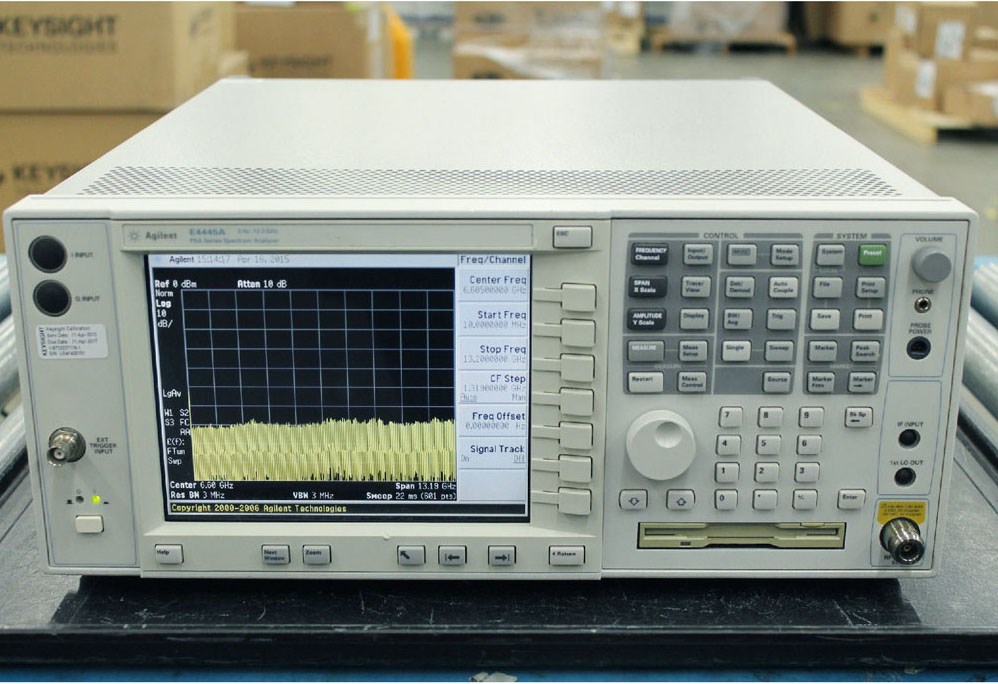
Bit Error Rate Testing
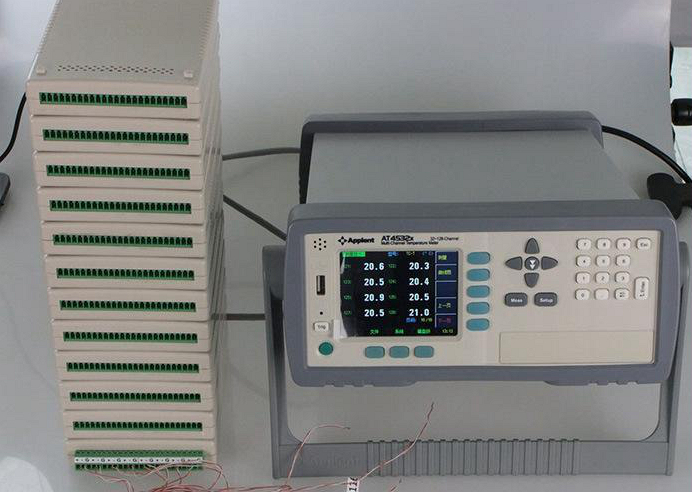
Wireless Spectrum Calibration
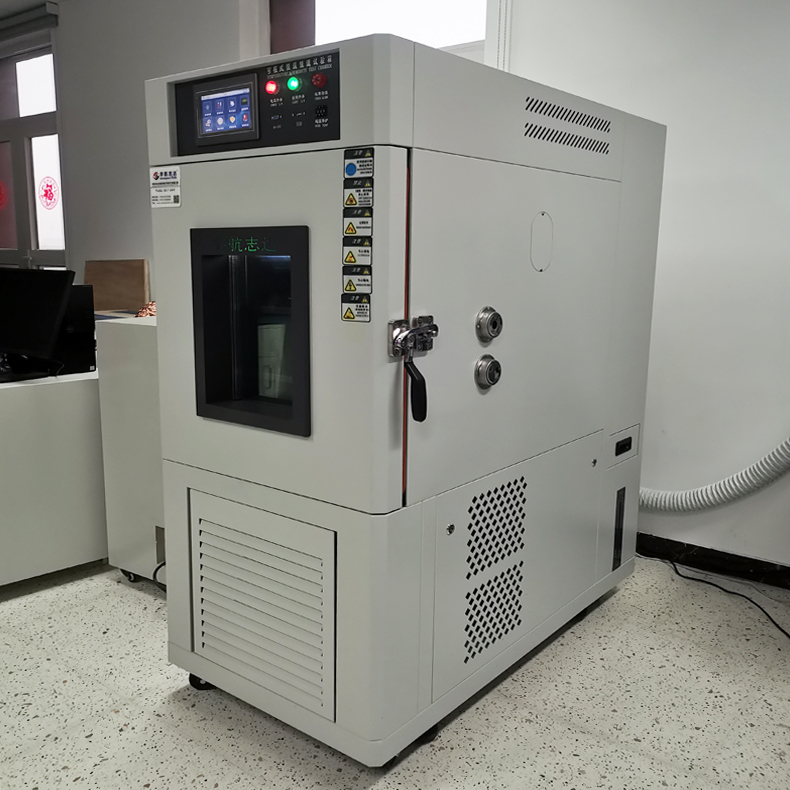
High-Low Temperature Environmental Chamber
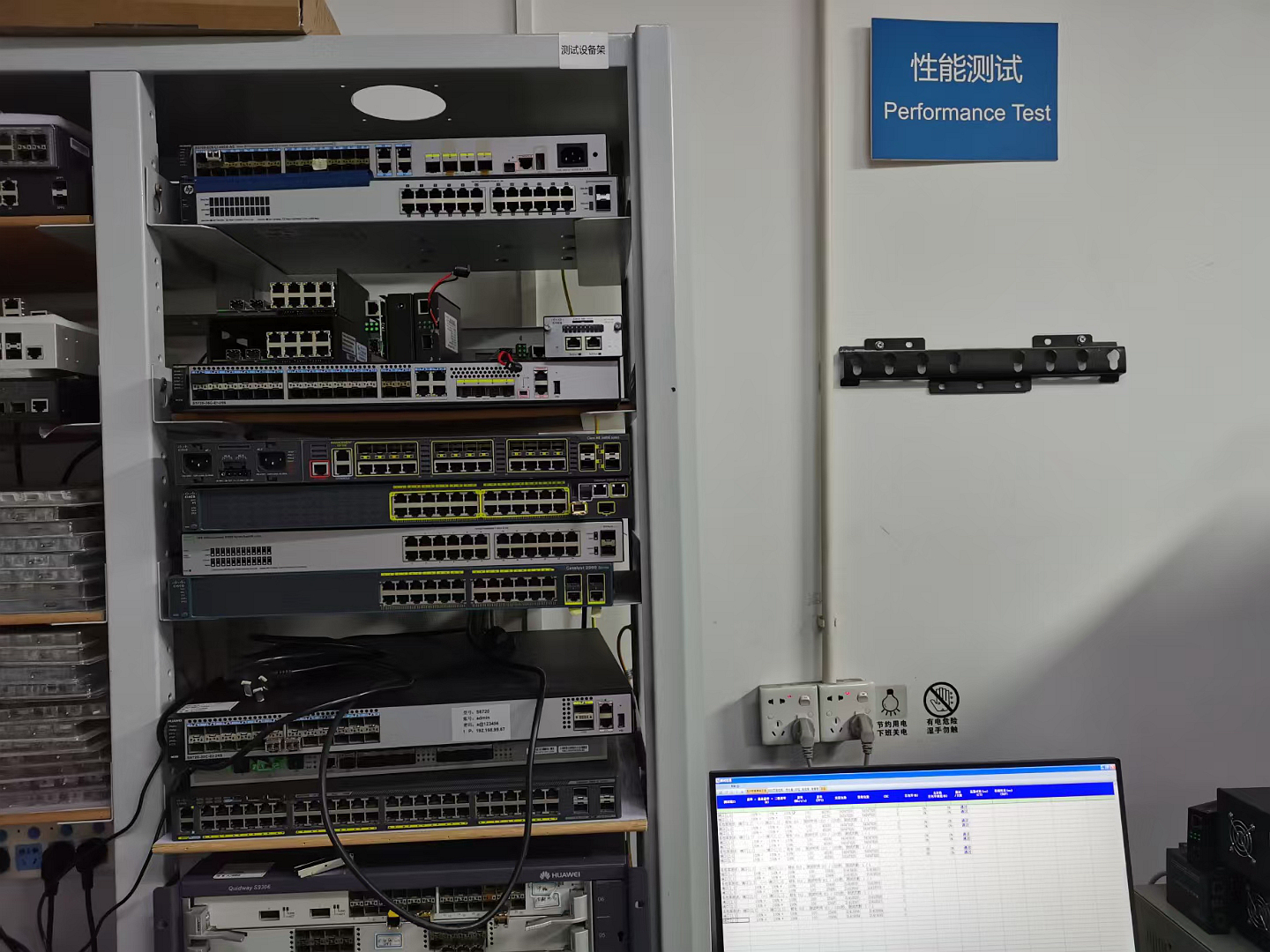
Network Performance Simulation
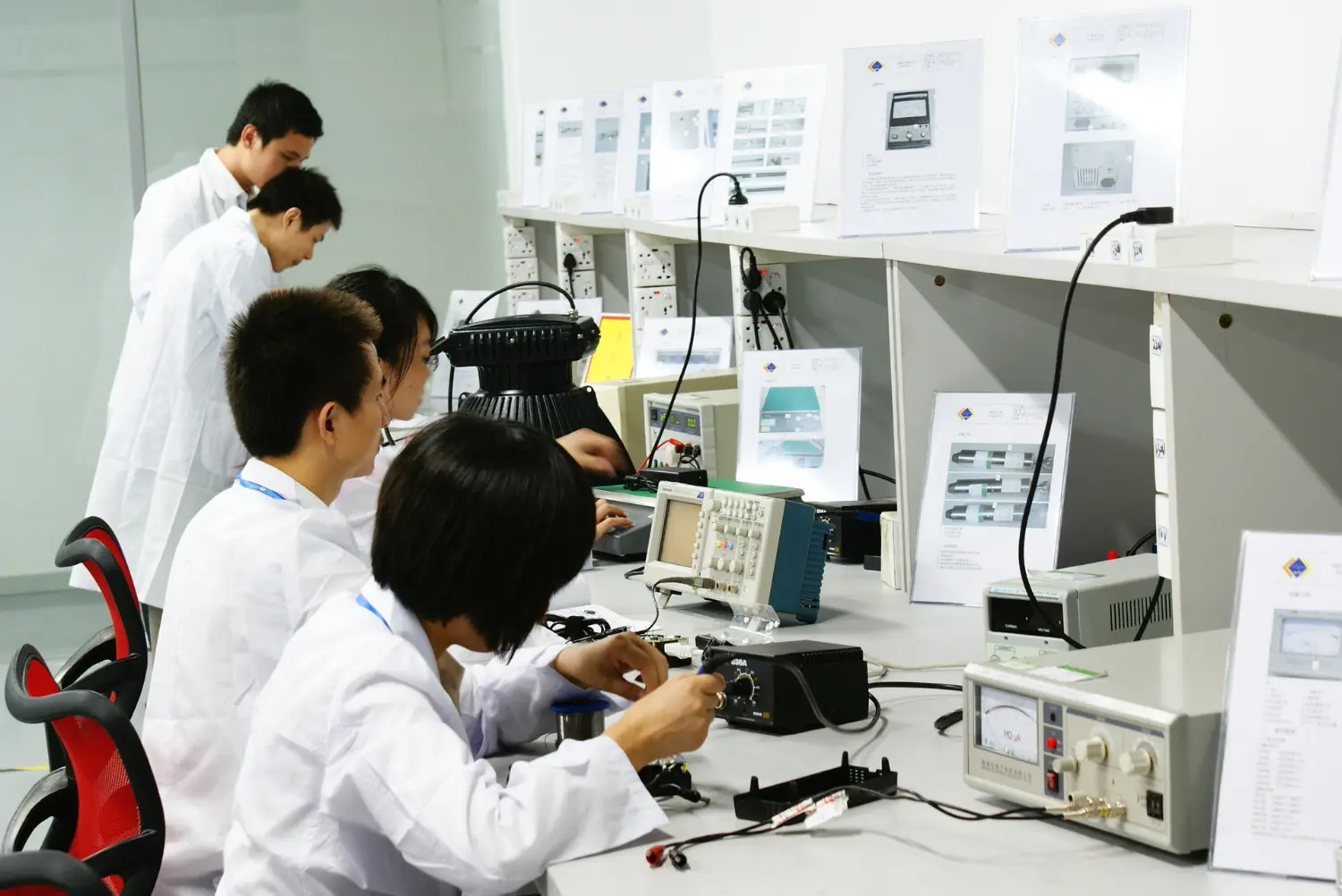
Final Quality Assurance Functional Testing
Our high-split mini-PLC modules (1x32, 1x64) integrate smoothly into underground hub distributions and aerial FDBs (Fiber Distribution Boxes), reducing fiber lease costs for neighborhoods across CDMX.
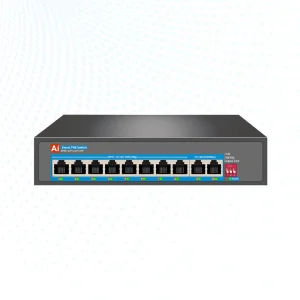
Combining hardened PoE switches with robust 1x2 and 1x4 optical splitters creates reliable backhaul channels for surveillance cameras, which helps maintain uptime for citywide safety systems.
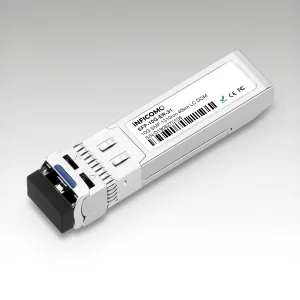
We provide optical modules and high-stability transceivers configured to support data-dense links for automotive plants, logistics parks, and manufacturing complexes surrounding Mexico City.
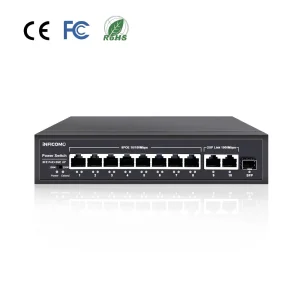
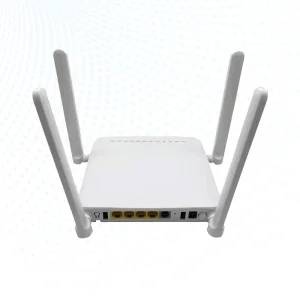
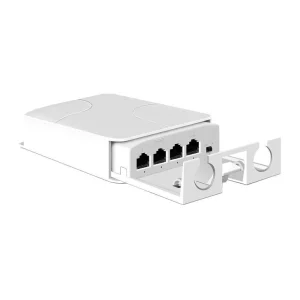
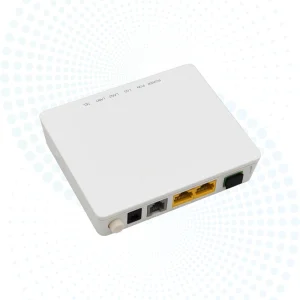
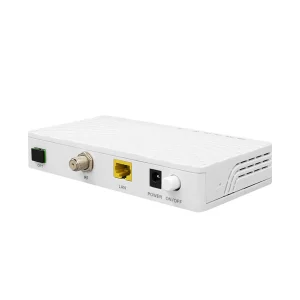
Discover our comprehensive collection of active switches, transceivers, XPON ONUs, and extenders designed for Mexican network expansions.
Purchasing high-volume optical fiber splitters and GPON/EPON terminals internationally requires clear logistics management. To simplify imports for our Mexican partners, Soras Technology coordinates with regional customs agents to ensure efficient transit. We offer flexible shipping arrangements (FOB, CIF, or DDP) to match your company's procurement workflow.
For large-scale fiber optic infrastructure initiatives in Mexico City, shipments are routed directly through major regional maritime hubs, including the Port of Manzanillo or Port of Veracruz. From there, land freight networks deliver the equipment to warehouses and staging areas across CDMX.
We work alongside reliable logistics partners to provide DDP delivery options. Under DDP terms, Soras and its agents handle export clearances, maritime freight, local import duties, and Mexican custom document verification, delivering the product directly to your CDMX warehouse without unexpected import fees.
We customize passive splitter modules to fit your existing rack layouts. This includes custom pigtail fiber lengths (such as 0.5m, 1m, or 1.5m), specialized color coding to simplify field splicing, and custom logo printing on ABS cassettes and packaging boxes.
Practical answers to questions regarding optical splitter selection, installation challenges, and order logistics.
A: For outdoor aerial distributions (common in areas like Coyoacán and Gustavo A. Madero), the 0.9mm steel tube mini PLC splitter is recommended. Its compact profile fits standard Fiber Distribution Boxes (FDB). For harsh conditions, the ABS box splitter provides extra physical layer protection for the internal waveguide.
A: Our PLC splitters operate across the 1260nm to 1650nm spectrum. They support coexistence setups, allowing standard GPON signals (1310nm/1490nm) and XGS-PON signals (1270nm/1577nm) to run concurrently on the same physical fiber trunk.
A: We provide comprehensive documentation packages for international shipping. This includes clean commercial invoices, packing lists, Bills of Lading (B/L), Certificates of Origin, and complete product compliance certificates (CE, RoHS, ISO 9001). This documentation helps prevent customs delays.
A: Standard production times range from 7 to 15 business days depending on volume. Ocean freight from Shenzhen/Guangdong to Manzanillo or Veracruz takes approximately 20 to 28 days, followed by 3 to 5 days for local custom clearance and inland transit to Mexico City.
A: Yes. As a direct manufacturer, we offer complete OEM/ODM customization. You can specify input/output fiber lengths (e.g., 0.5m, 1.2m, 2.0m), connector configurations (SC/APC, LC/UPC, etc.), and color coding schemes to match your deployment requirements.
Connect with Soras Technology's technical engineering team to receive a customized quote, detailed product datasheets, and sample kits tailored for your Mexico City deployments.
 Soras Tech