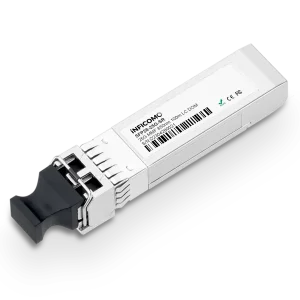
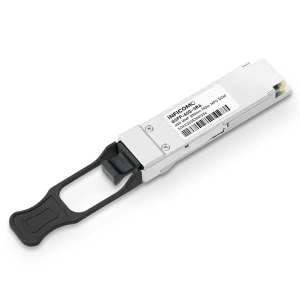
Ultra-efficient, space-saving optical transceivers and media converters optimized for compatibility with Central European telecom operator OLTs.
Slovakia is currently experiencing a rapid acceleration in its national digital infrastructure program, aligned with the European Union's "Gigabit Society" goals. As telecom operators (including Slovak Telekom, Orange Slovensko, O2 Slovakia, and local open-access operators like Swan/4ka) continue to replace legacy copper lines, the demand for space-saving, low-power FTTx hardware has skyrocketed. Rural and semi-urban broadband expansion programs across municipalities in regions like Žilina, Banská Bystrica, and Prešov present significant physical installation challenges inside existing cabinets and outdoor enclosures.
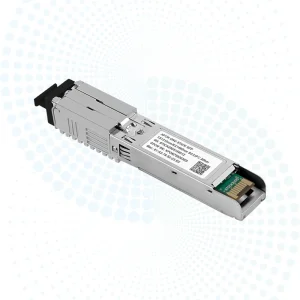
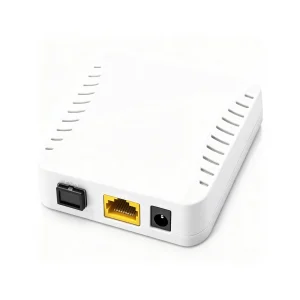
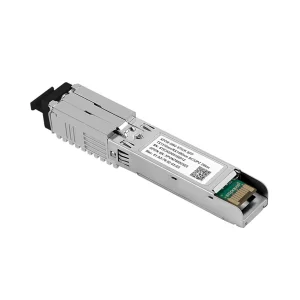
Traditional optical network terminals (ONTs) require a standalone chassis, separate power bricks, and additional fiber patch cables, which consume precious rack space and complicate site management. The introduction of SFP ONU Sticks (GPON/EPON/XGS-PON) has revolutionized this process by embedding the entire subscriber terminal into an industry-standard Small Form-factor Pluggable (SFP) transceiver. Slovak network operators and municipal network operators can now convert standard managed Ethernet switches, routers, and enterprise gateways directly into optical terminals by simply inserting our SFP ONU module into their SFP ports.
Slovakia stands as one of the world's most concentrated automotive manufacturing hubs, with massive industrial parks supporting brands like Volkswagen, Stellantis, Kia, and Jaguar Land Rover. In these highly automated environments, electromagnetic interference (EMI) makes traditional copper cabling unviable. Fiber-to-the-Machine (FTTM) has emerged as the definitive standard.
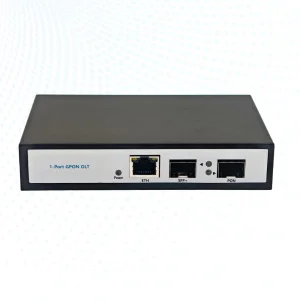
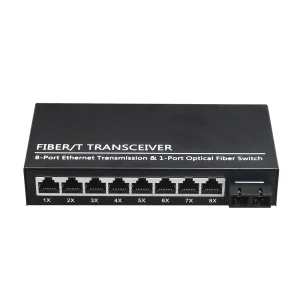
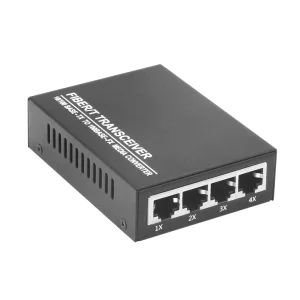
Our Durable Rugged Inficomo RD-FE108 8-Port Fiber Media Converter and SFP ONU Sticks are engineered precisely for these Slovak smart manufacturing complexes:
When global network engineers procure GPON/EPON/XGSPON Stick ONUs, interoperability is the most critical hurdle. OLTs (Optical Line Terminals) from vendors such as Nokia (Alcatel-Lucent), Huawei, ZTE, Calix, and Adtran employ proprietary handshake protocols. To prevent compatibility locks, Soraslink has developed a proprietary firmware abstraction layer.
Our transceivers, including the Intelligent PON Stick EPON GPON XPON SFP ONU SC Connector, feature on-board flash memory that allows field modification of the vendor ID, serial number, and software versions via standard CLI commands (OMCI protocol). This ensures seamless registration with Central European ISP OLT networks, eliminating provisioning dropouts and reducing support ticket volumes during large-scale FTTx rollouts.
As corporate clouds, high-definition IP camera networks, and industrial IoT (IIoT) data aggregation grow, standard GPON bandwidth (2.488 Gbps Downstream / 1.244 Gbps Upstream) is becoming a bottleneck in major Slovak business districts. The transition to 10G-class symmetrical networks is underway.
The Model XGSPON SFP+ ONU Stick 20KM 1270/1577nm sits at the forefront of this technological shift. Operating at 1270nm transmitter and 1577nm receiver wavelengths, this unit facilitates co-existence with existing GPON networks over the same physical optical distribution network (ODN). By migrating to XGSPON, Slovak system integrators can scale up to 10 Gbps bi-directional speeds per subscriber, providing massive headroom for multi-tenant office buildings, municipal headquarters, and carrier backhauls.
A leading global manufacturer of optical transmission equipment and high-performance network hardware with over 10 years of export expertise.
We rely on high-quality management and technological innovation, committed to providing customers with high quality, cost-effective, high value-added products and solutions. Today, we work closely with telecommunications companies around the world. We have strong technical force and an experienced R&D team; products can be developed according to customer requirements, and we also accept OEM and ODM orders. Now our products are exported to more than 60 countries, with main markets spanning South America, North America, and Europe.
Our main product portfolio includes: Fiber Media Converters, SFP Modules, PoE Switches, ONUs, OLTs, and supporting fiber distribution accessories. We have passed ISO 9001, UL, CE, FCC, and RoHS certifications. Our operating principle is "superior quality, professional service, competitive price, integrity-based", ensuring the long-term viability of your FTTx infrastructure.
| Shenzhen Soras Technology Profile & Capabilities | Key Markets & Certifications | ||
|---|---|---|---|
| Business Type | Manufacturer (OEM / ODM Supported) | Certifications | ISO 9001, UL, CE, FCC, RoHS |
| Main Products | FTTH ONU & OLT, SFP Modules, PoE Switches, Media Converters | Core Focus Market | Slovakia & Wider European Union, Americas |
| Year Established | 2021 (R&D team with 10+ years optical tech experience) | Annual Revenue | US$5 Million - US$10 Million |
| Total Employees | 11 - 50 People | Main Markets Share | Domestic Market 24%, Eastern Asia 15%, North America 15%, Europe 20% |


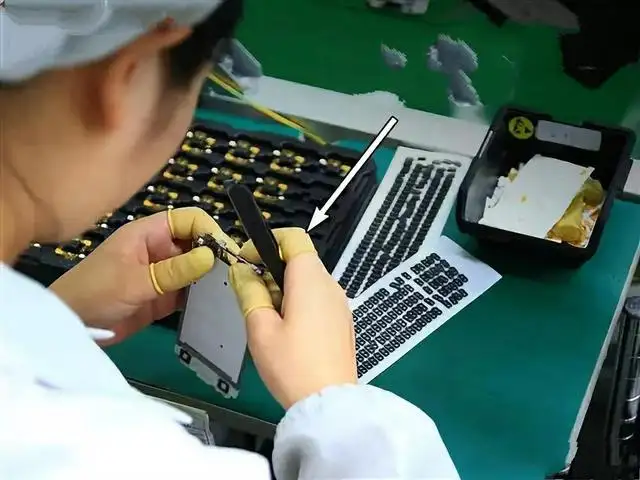


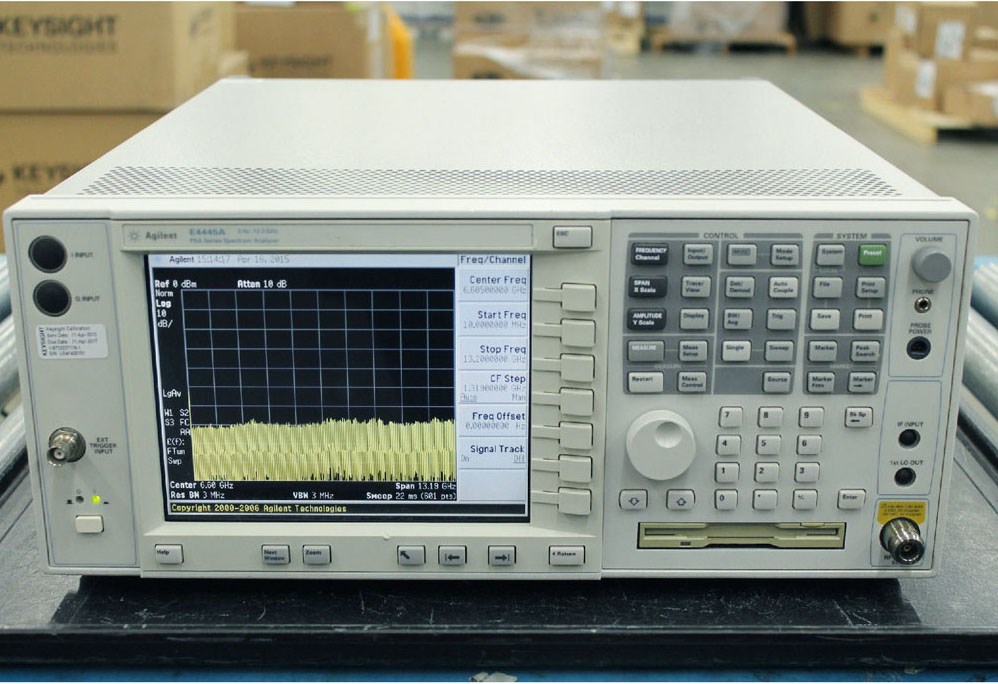
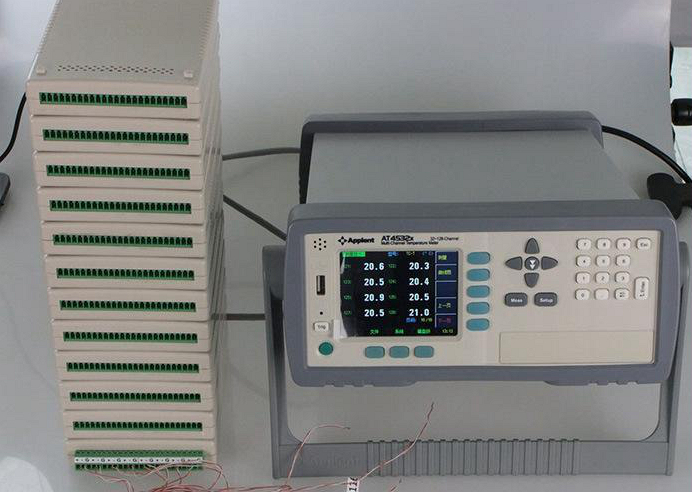
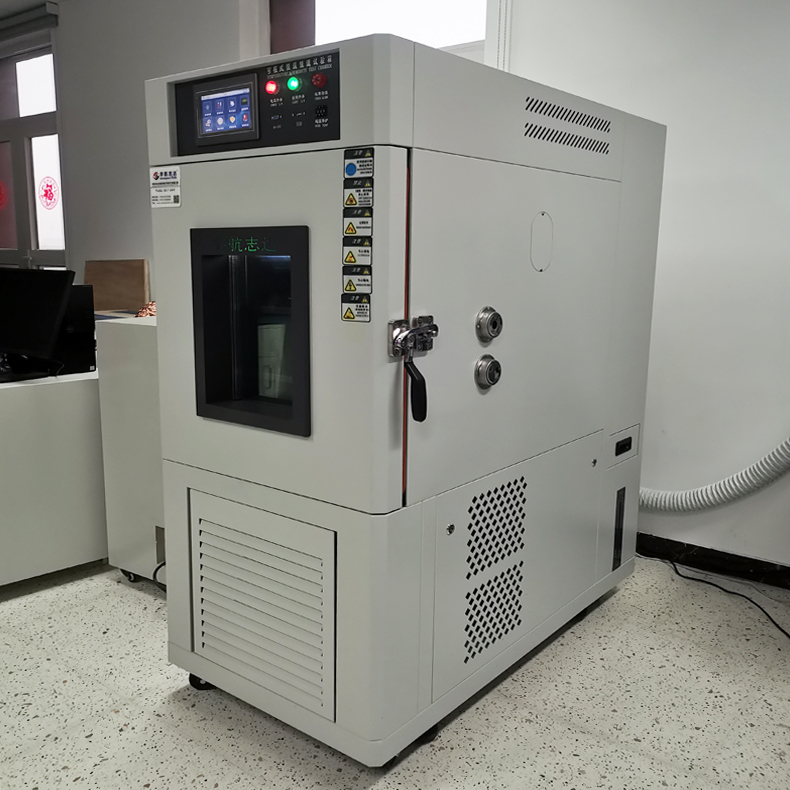
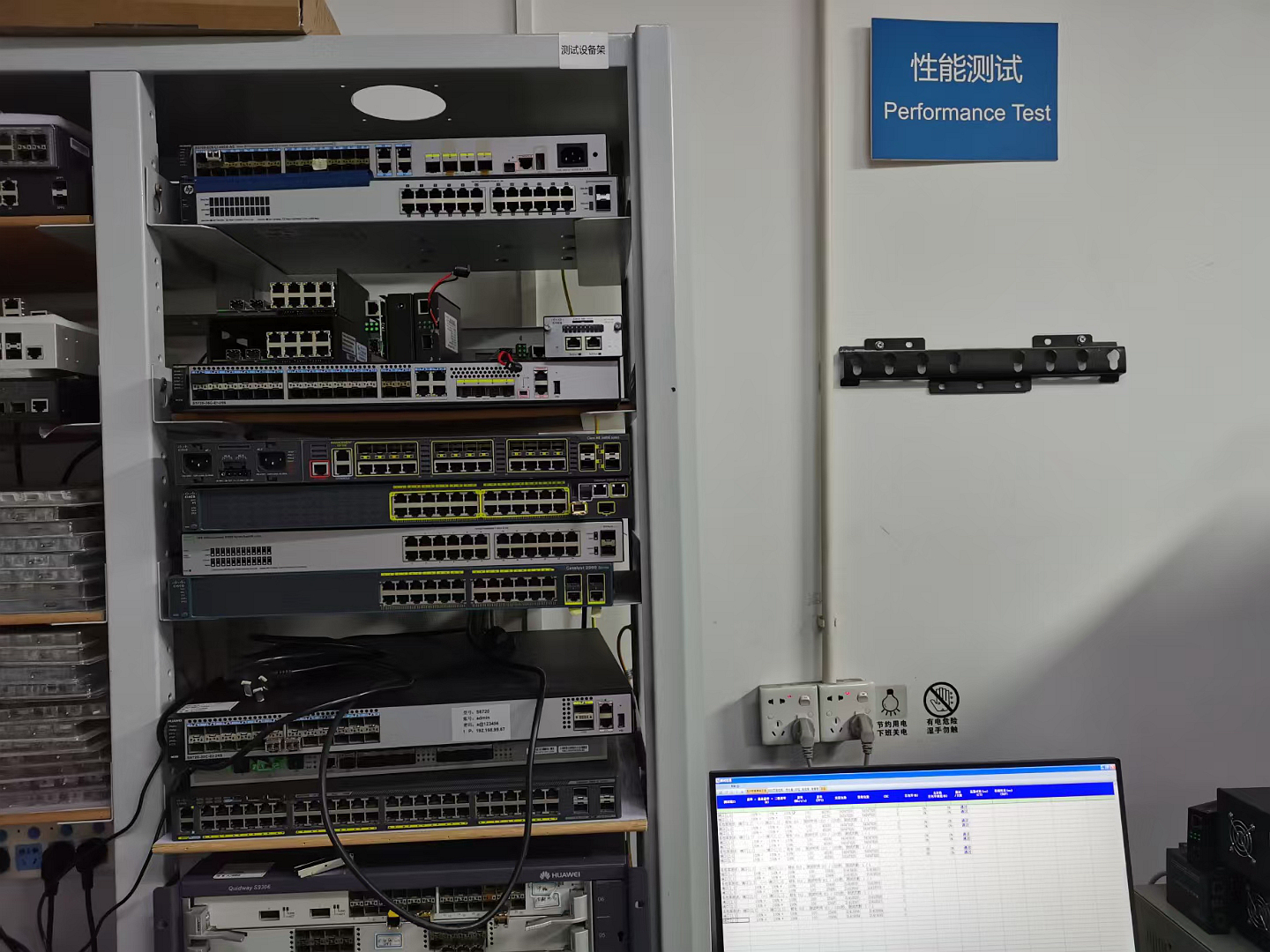
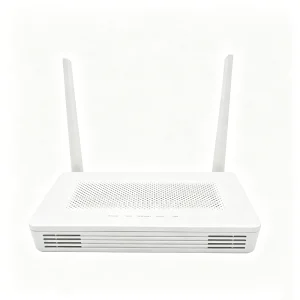
Explore our complete catalog of High-Performance PoE Switches, Dual-Band WiFi ONUs, OLT Equipment, and Multi-Rate transceivers.


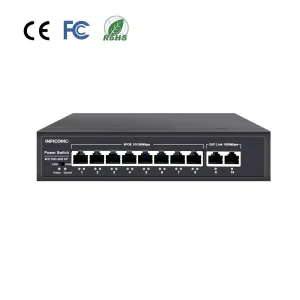
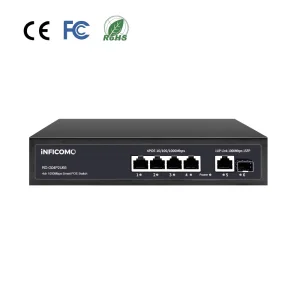
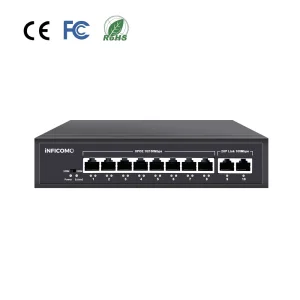
Essential insights for network architects, FTTx engineers, and procurement managers deploying SFP ONU Sticks in European networks.
 Soras Tech