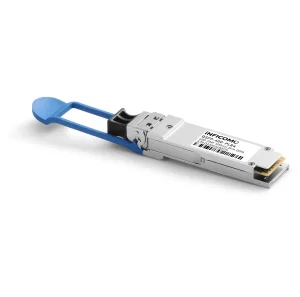
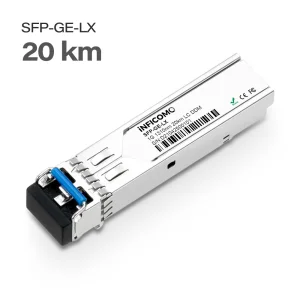
Engineered with ultra-low insertion loss and premium G.652.D or bend-insensitive G.657.A2 single-mode optical fibers to support telecom backhauls and corporate data networks in Bangkok and beyond.
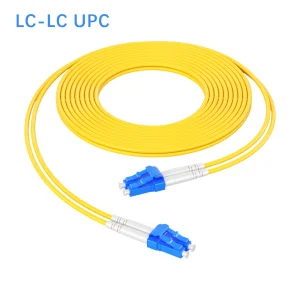
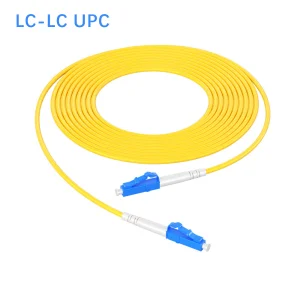
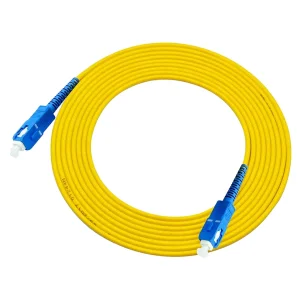
Under the national Thailand 4.0 economic blueprint, Thailand is transitioning into a high-value, digital-first economy. The centerpiece of this growth, the Eastern Economic Corridor (EEC) covering Chonburi, Rayong, and Chachoengsao, has triggered an unprecedented demand for reliable, high-speed networking solutions. Industries, automated factories, and smart ports in these zones require robust local optical fiber backbones to support real-time sensor processing and AI-driven automation.
As telecom operators like AIS, True, and National Telecom (NT) aggressively expand their FTTH (Fiber-to-the-Home) networks and 5G base stations throughout urban and industrial areas, the baseline quality of basic fiber interconnect components—namely, Single Mode Patch Cords—has become a non-negotiable metric. Substandard connectors can lead to signal attenuation, data transmission delays, and severe financial losses in mission-critical smart manufacturing plants.
Bangkok is fast becoming a core data center hub in Southeast Asia, with global operators launching hyperscale facilities. In these high-density optical distribution frames (ODFs), managing space and maintaining minimum bend radiuses are constant operations challenges. Standard single-mode fiber patch cords tend to experience micro-bending losses when densely packed, which degrades signal performance over longer distances.
To address this, leading exporters serving Thailand must provide advanced configurations such as LSZH (Low Smoke Zero Halogen) jacketed cords and G.657.A1/A2 bend-insensitive fiber options. These solutions are vital for meeting Thailand's building safety regulations (EIT Standards) and preventing toxic fumes in restricted-airflow cooling environments typical of modern hyperscale server halls.
In optical fiber networks, single-mode fibers (SMF) are selected for their ability to carry high-bandwidth signals over long distances without high attenuation. The two primary industry-standard specifications for single-mode patch cords are ITU-T G.652.D and ITU-T G.657.A2. Understanding the specific advantages of each enables engineering teams in Thailand to select the ideal option for their installation projects.
| Fiber Type / Standard | Core/Cladding Diameter (µm) | Min. Bend Radius (mm) | Attenuation (at 1310/1550nm) | Primary Application Scenarios in Thailand |
|---|---|---|---|---|
| G.652.D (Standard SMF) | 9 / 125 | 30 mm | ≤ 0.35 / ≤ 0.22 dB/km | Long-haul telecommunication backbones, inter-city trunks, and outdoor overhead FTTH cabling. |
| G.657.A1 (Bend-Insensitive) | 9 / 125 | 10 mm | ≤ 0.38 / ≤ 0.23 dB/km | In-building risers, optical distribution frames (ODF), and standard cabinet patching. |
| G.657.A2 (Enhanced Bend-Insensitive) | 9 / 125 | 7.5 mm | ≤ 0.38 / ≤ 0.23 dB/km | High-density server cabinets, active optical patch panels, smart factory DIN-Rail enclosures. |
For optimal performance, the polish geometry of the connector end-face is critical. We provide both Ultra Physical Contact (UPC) and Angled Physical Contact (APC) connectors.
With over a decade of dedication to networking and optical transmission technologies, Shenzhen Soras Technology Co., Ltd. acts as a reliable direct-factory partner for network installers, system integrators, and telecom distributors across Thailand.
| Business Type | Manufacturer, OEM/ODM Provider | Country / Region | Guangdong, China (Shenzhen Hub) |
| Main Products | FTTH ONU & OLT, SFP Transceiver Modules, Fiber Media Converters, PoE Switches, Premium Fiber Patch Cords | Total Employees | 11 - 50 Professional Engineers & Assembly Operators |
| Annual Revenue | US$5 Million - US$10 Million | Year Established | 2021 (R&D roots dating back over 10 years) |
| Main Export Markets | Southeast Asia (Thailand, Vietnam, Philippines), South America, North America, and Europe (Exporting to 60+ countries) | Compliance & Certifications | ISO 9001, UL, CE, FCC, RoHS certified quality assurance |
Quality control at Soras is verified by advanced instrumentation, ensuring zero-defect output for every batch sent to Thai clients.
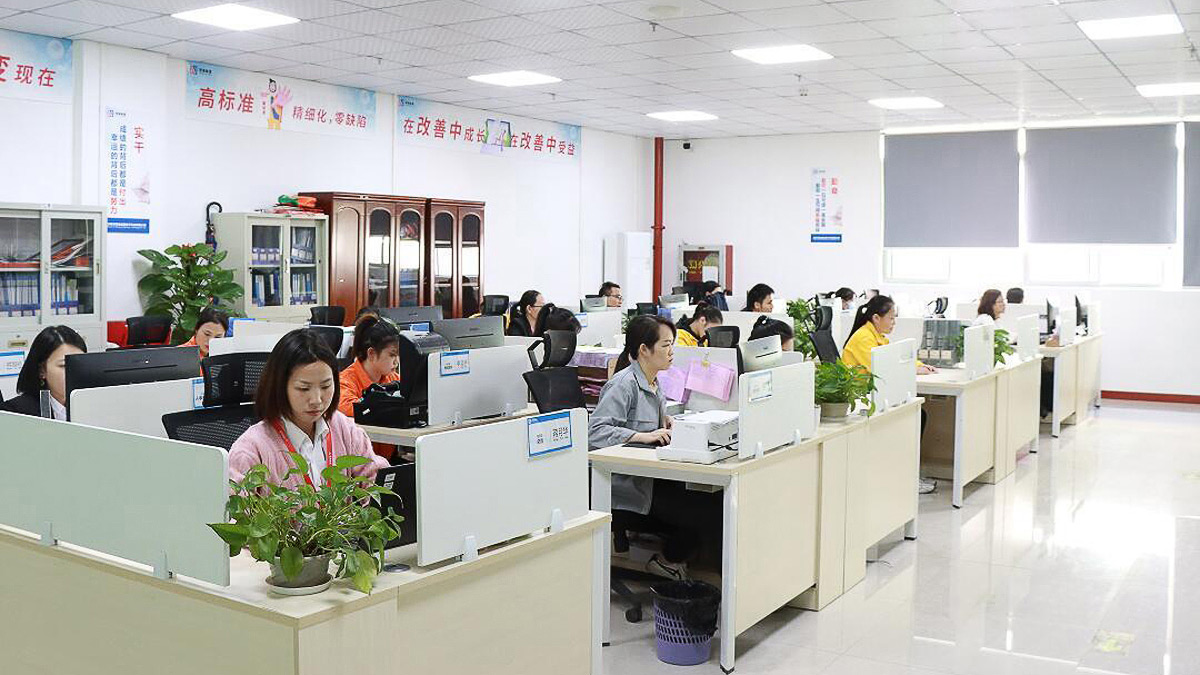
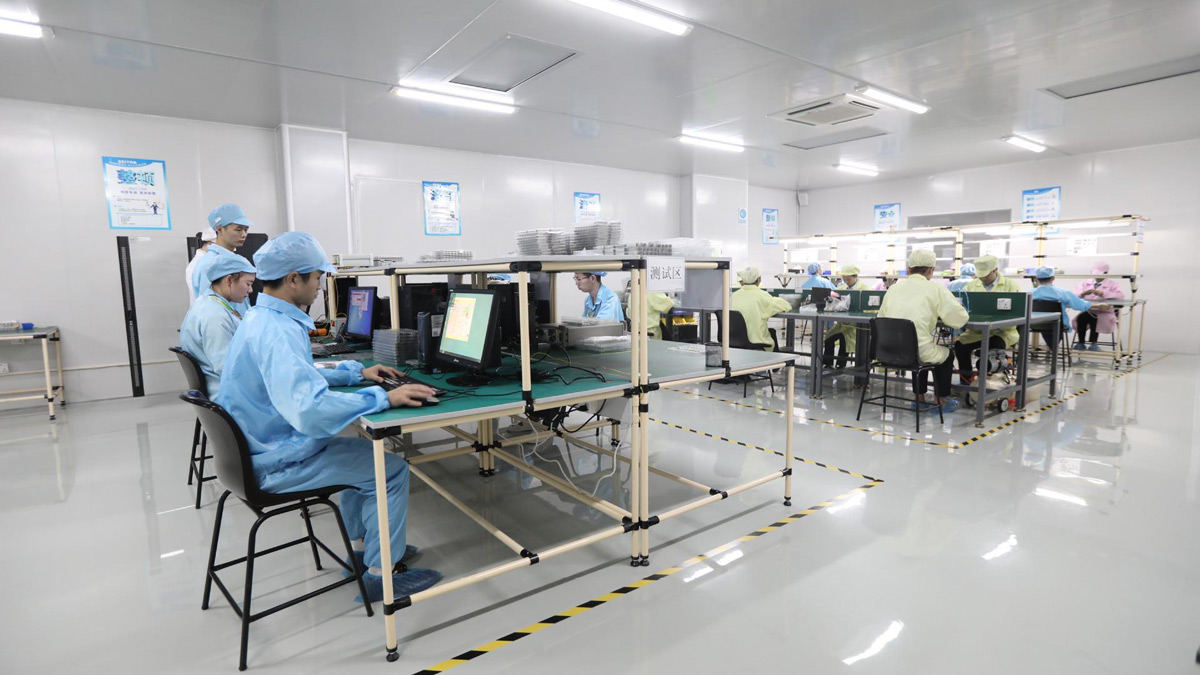
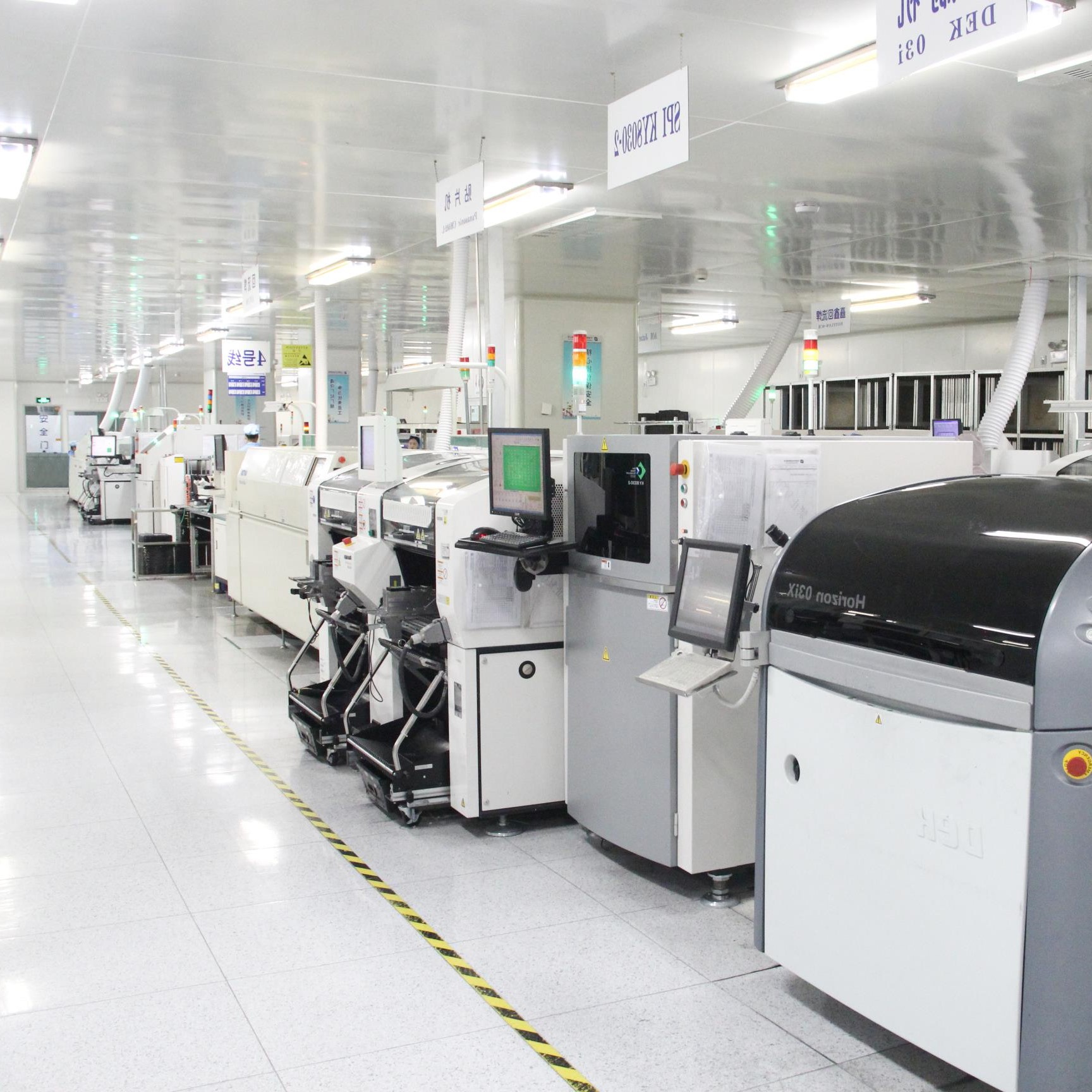
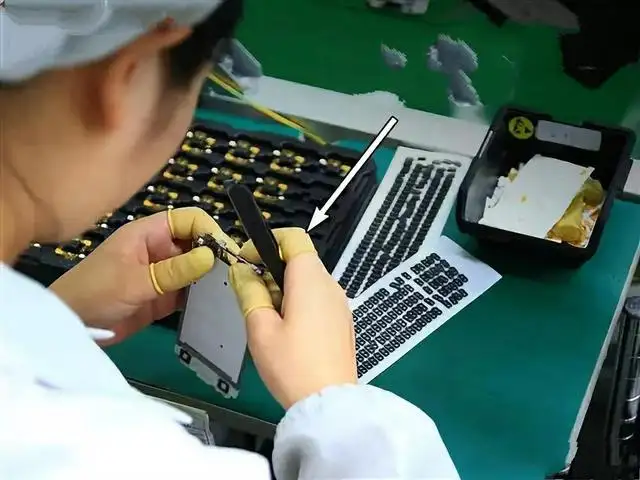
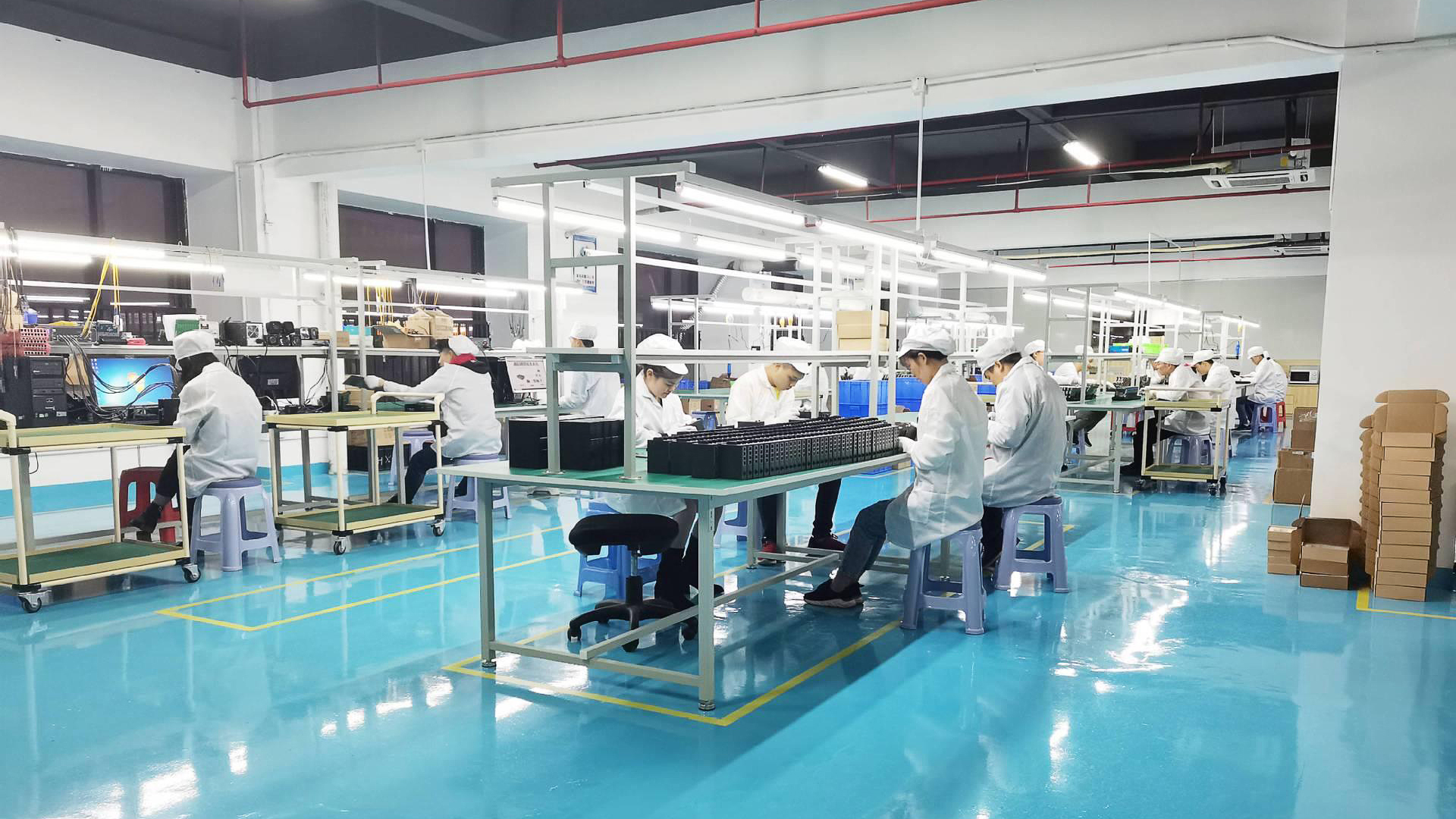
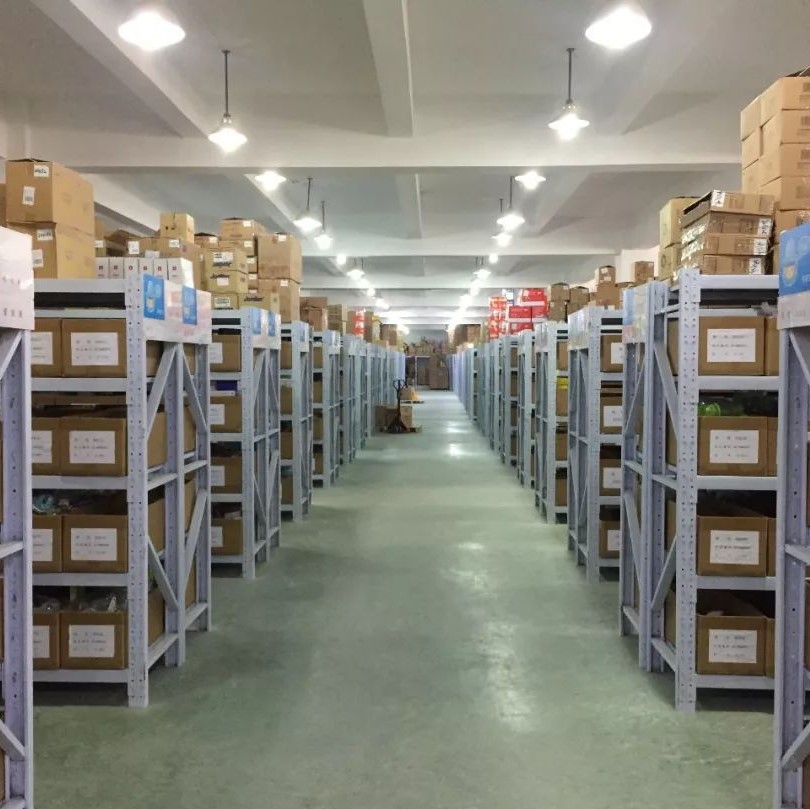
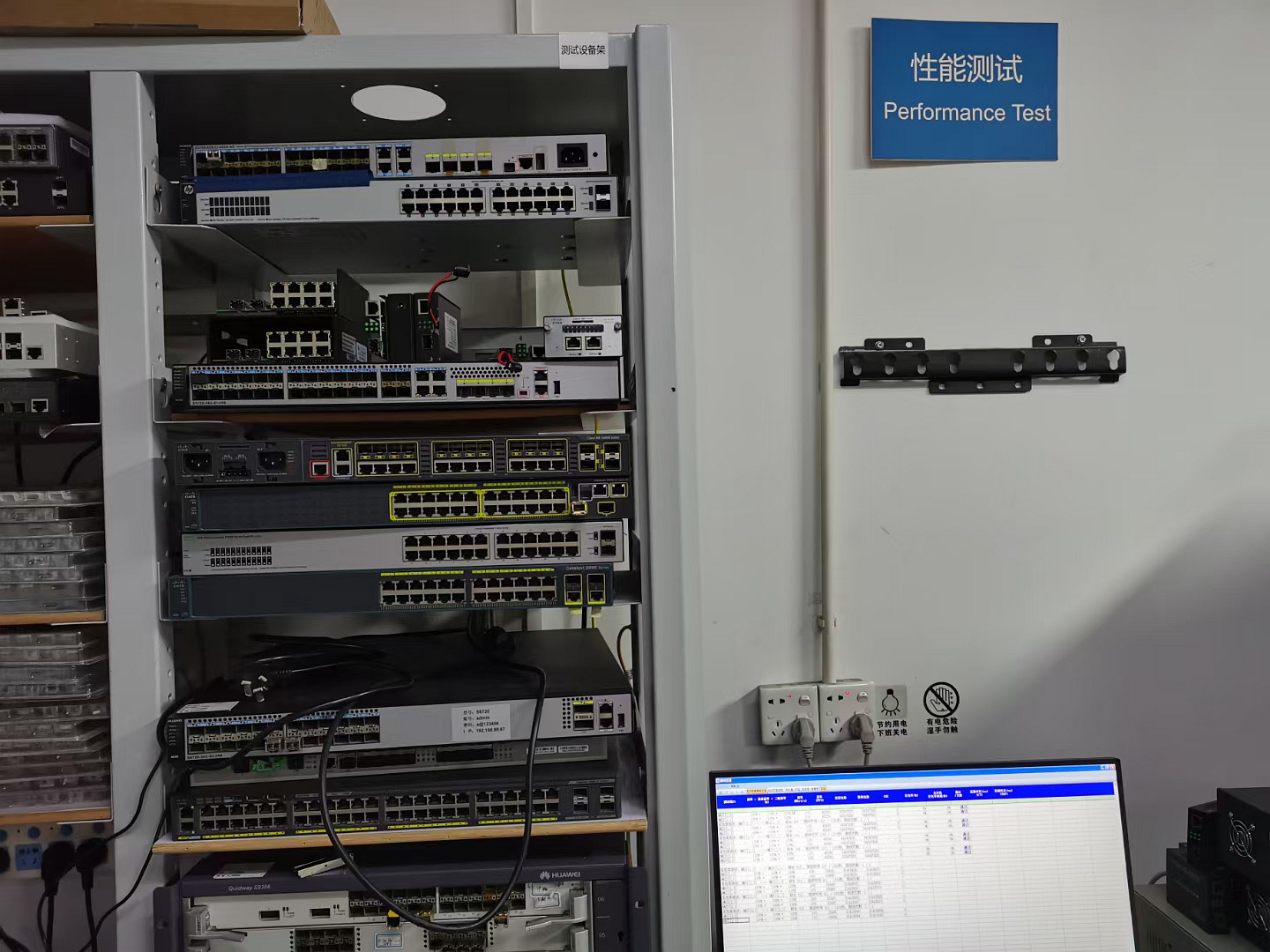
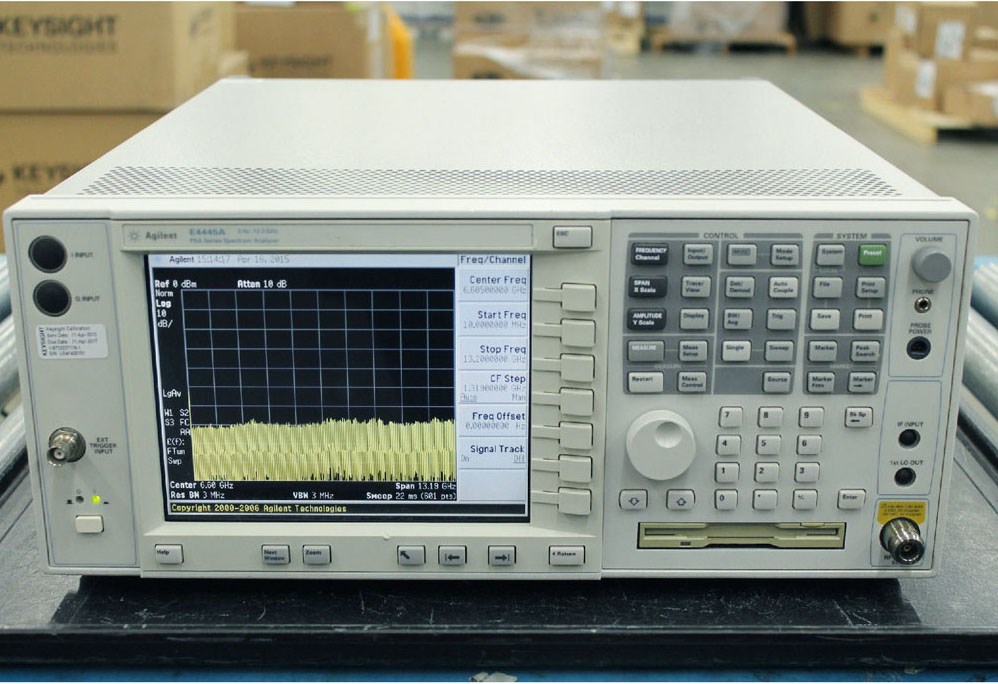
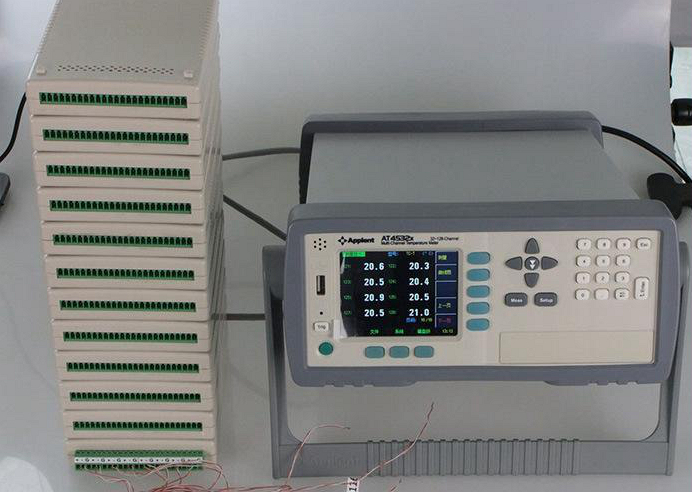
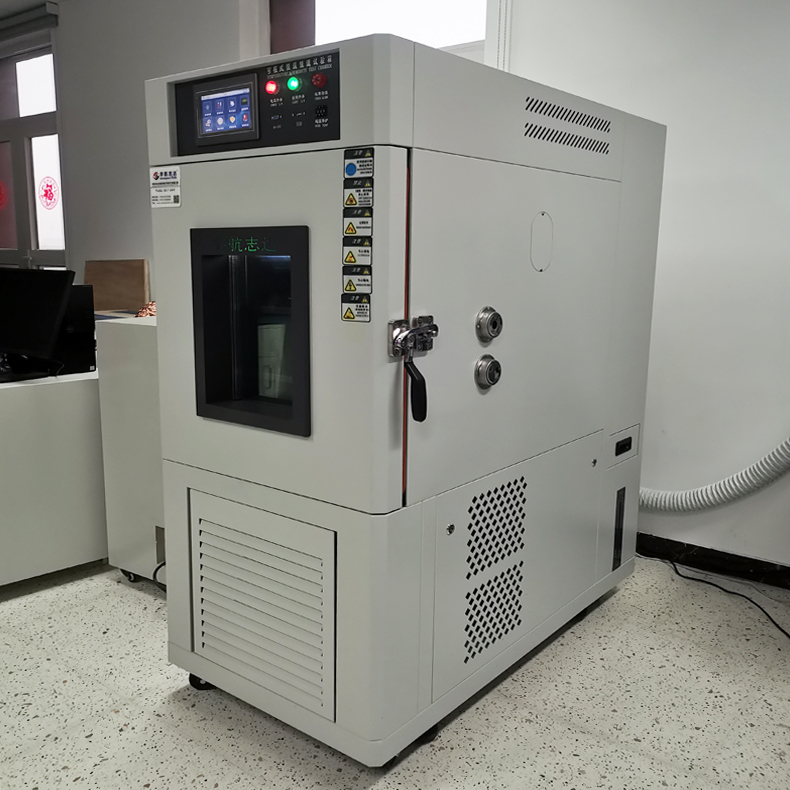
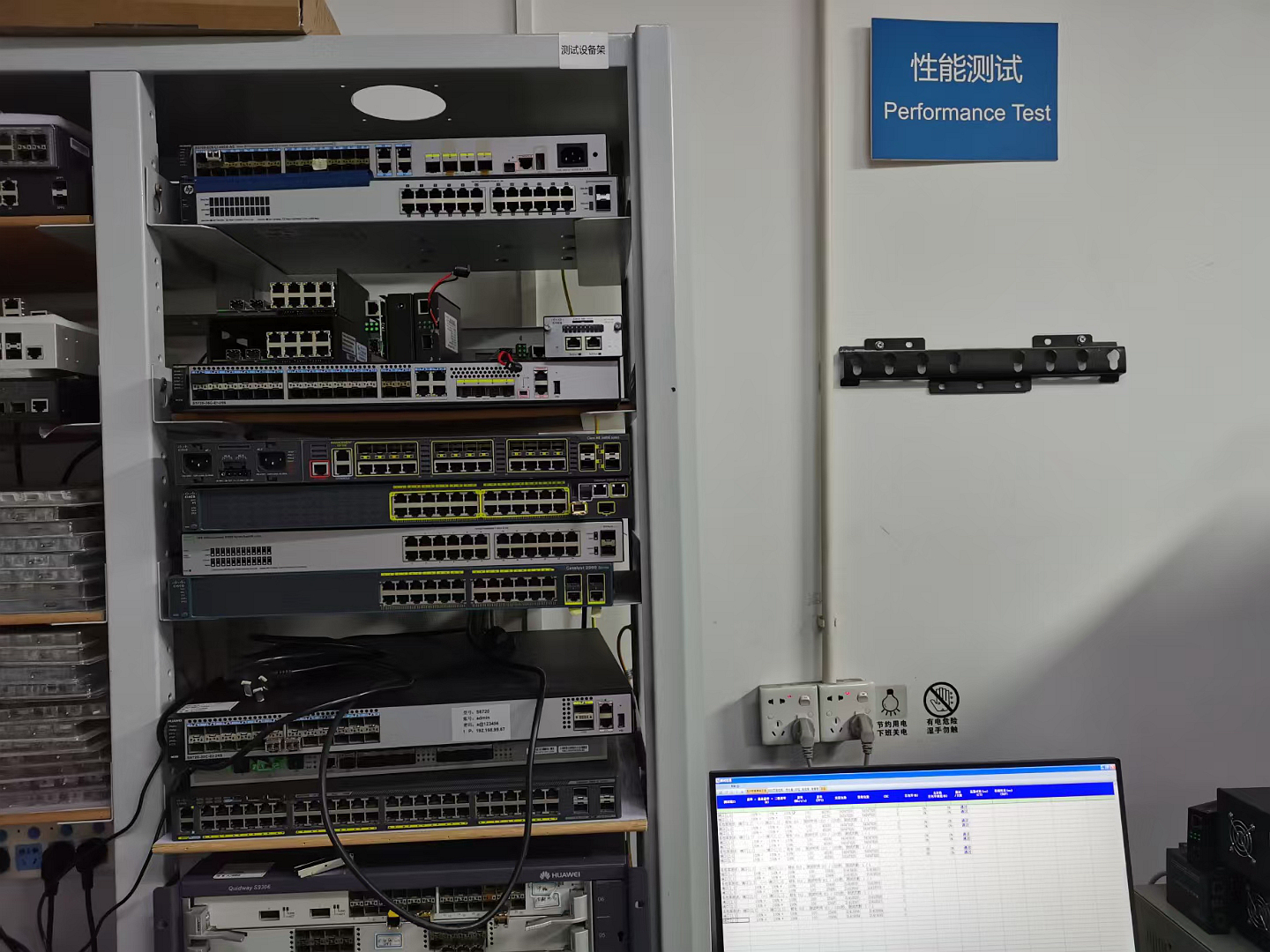
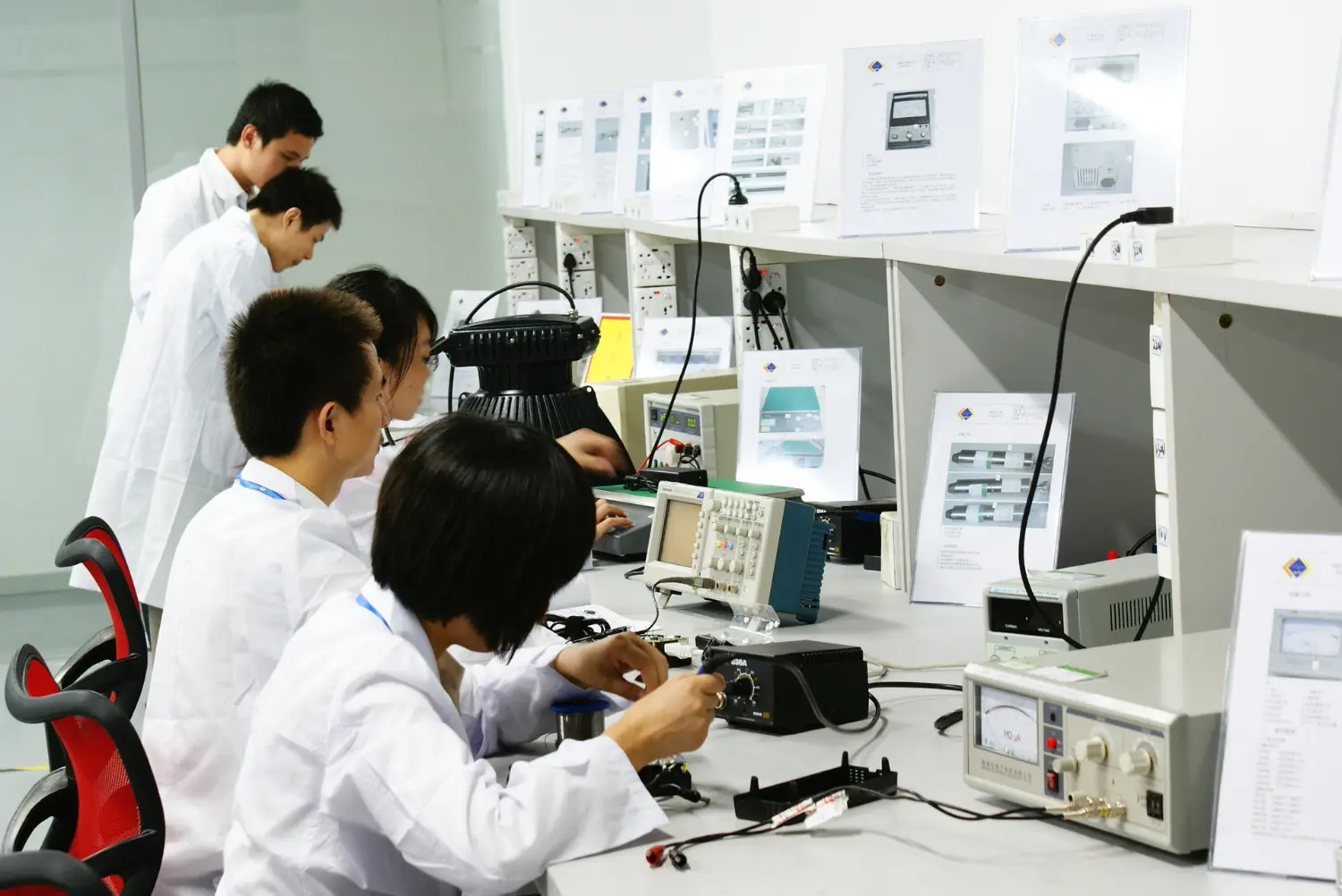
Final Functional Testing & Inspection Suite before packaging
Bangkok's municipal modernization initiatives (including smart traffic systems and the expanded BTS Skytrain / MRT subway rail lines) rely heavily on continuous telemetry. High-quality single-mode patch cords are critical components inside roadside outdoor equipment enclosures and distribution boxes, linking cameras, signal systems, and communication terminals back to control offices.
These patch cords must withstand significant environmental stress. Heat, vibration, and relative humidity inside roadside cabinets demand rugged fiber jackets and stable connector ferrule springs to maintain network uptime.
The expansion of gigabit networks into regional capitals like Chiang Mai, Phuket, and Khon Kaen demands durable drop cables and simplex/duplex single-mode patch cables. Our cords support the standard subscriber networks deployed by major regional telecom companies.
By offering high tensile strength jackets and low attenuation configurations, our components ensure that home subscriber connections remain stable, reducing service calls and operational expenses for maintenance teams.
In automated production halls across Rayong and Chonburi, optical connections interface directly with heavy machinery and high-voltage controls. Electromagnetic interference (EMI) makes copper cables unusable, whereas fiber optic cabling provides clean data transmissions.
Our single-mode patch cords link optical media converters and industrial PoE switches, providing uninterrupted pathways for automated PLC machinery, real-time quality control cameras, and environmental sensors.
With the rapid expansion of cloud infrastructures, our high-density optical distribution frames (ODF) utilize G.657.A2 single-mode patch cords to achieve tight-radius packaging. In these scenarios, using standard-grade fiber cords often leads to light leakage and increased errors.
By implementing our premium bend-insensitive fiber patch cords, engineering teams can optimize rack density, improve cooling airflow, and maintain stable optical power budgets.
Importing networking equipment into Thailand requires strict compliance with local customs procedures, industrial safety regulations, and environmental standards. As a certified exporter, Shenzhen Soras Technology Co., Ltd. ensures a smooth process for partners:
As networks transition from 10G and 40G structures to 100G, 400G, and eventually 800G, the physical layer must support these higher capacities. Minor optical losses that were inconsequential in older systems can degrade performance in modern high-speed architectures.
Our technical development roadmap addresses these challenges through three core focus areas:
By implementing tighter control over ferrule concentricity and geometric end-face metrics, our premium single-mode patch cords achieve typical insertion loss figures below 0.15dB, helping secure the optical budget needed for 400G transmission paths.
To address space constraints in regional data centers, we are expanding our production lines for multi-fiber push-on (MPO/MTP) cabling. This supports higher trunk capacity within standard cable conduits.
We offer a complete suite of active and passive network components designed for reliable performance in demanding environments.
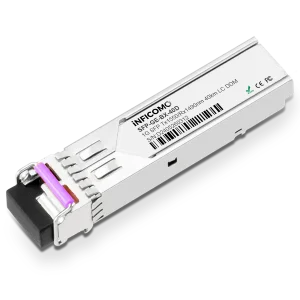
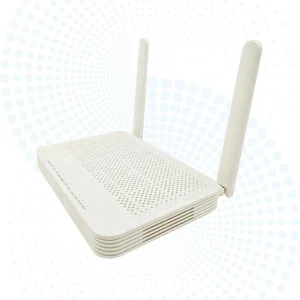
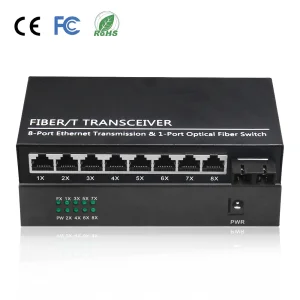
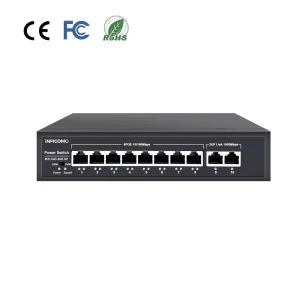
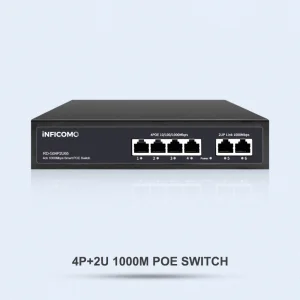
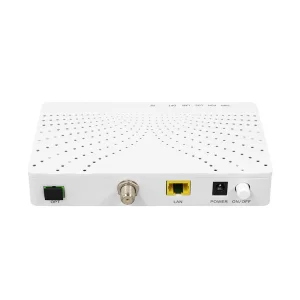
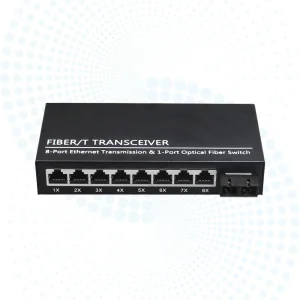
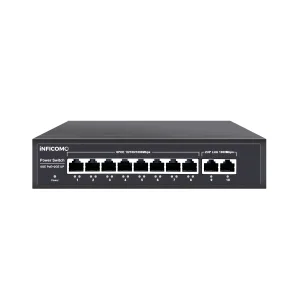
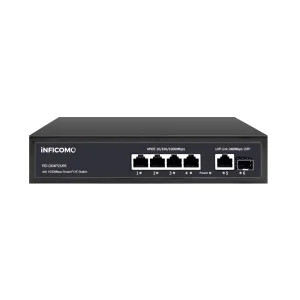
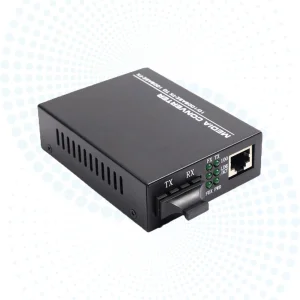
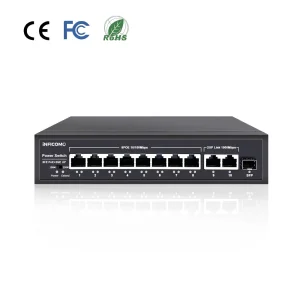
Get in touch with our engineering and export team to request custom lengths, jacket types (LSZH/PVC), or bulk pricing packages for your fiber deployment projects in Thailand.
Contact Soras Technology Export Team Soras Tech