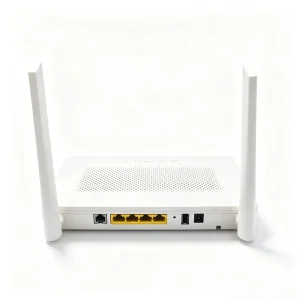
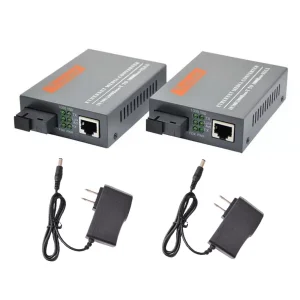
Browse our flagship line of high-performance fiber media converters, SFP modules, switches, and customer premises equipment engineered for demanding telecom applications.
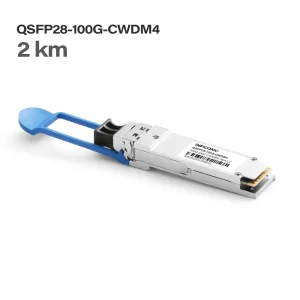
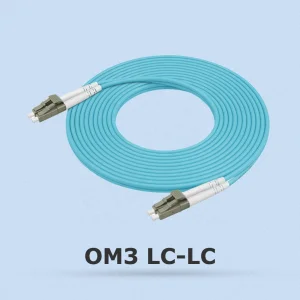
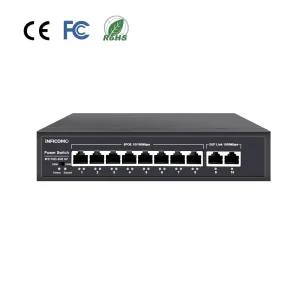
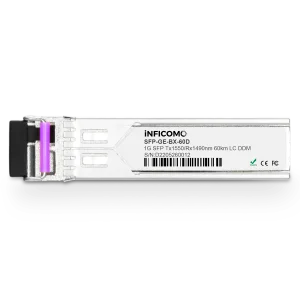
As the telecommunication industry scales rapidly towards the Fifth-Generation Fixed Network (F5G) and 10G PON architectures, fiber optic splitters have moved from simple physical-layer components to highly sophisticated wavelength routing units. Modern fiber optic networks demand minimal insertion loss, zero polarization dependency, and wide spectrum operational windows (from 1260nm to 1650nm).
The global paradigm shift from FBT (Fused Biconical Taper) to PLC (Planar Lightwave Circuit) splitters is practically complete for large-scale FTTH network architecture. Built on silica glass waveguide chips, PLC splitters enable uniform light splitting across multiple outputs with minimum optical degradation. Modern GPON, XG-PON, and XGS-PON deployments demand extreme performance stability to ensure that optical link budgets can support splitting ratios up to 1:64 or even 1:128 without dropping signals.
Deployments of XGS-PON and Next-Gen PON technologies rely on multiplexing multiple wavelengths over the same fiber line. PLC Splitters must perform flatly across O, E, S, C, L and U transmission bands to safeguard future upgradability.
High-capacity data centers and urban distribution hubs require smaller footprints. Microless PLC blockless and fan-out splitters save vital cabinet space while routing hundreds of termination points.
Outdoor optical distribution boxes (FDB) are exposed to extreme environmental challenges. Modern splitters are engineered with Telcordia GR-1209-CORE and GR-1221-CORE compliance to withstand temperatures from -40°C to +85°C.
Global Tier-1 ISPs, cloud service operators, and industrial network engineers have complex procurement pipelines. The sourcing of splitters, SFP modules, and ONT terminals is not merely a transaction of physical components, but rather an integration of strict compliance standards. Insertion Loss (IL), Polarization Dependent Loss (PDL), and Return Loss (RL) budgets dictate the overall longevity and reliability of passive optical networks (PON).
Premium PLC splitters must deliver insertion loss metrics below 3.8 dB for 1:2 splits, scaling uniformly to under 20.5 dB for 1:64 splits, minimizing active signal amplifications.
Whether utilizing SC/APC, SC/UPC, LC/APC, or FC connectors, ferrule concentricity and end-face geometry are inspected to prevent localized back-reflections.
Sourcing partners demand exhaustive testing reports. Every unit shipped must bear individualized OTDR trace analysis, verifying attenuation uniformity across all output ports.
Compliance with international regulatory standards (CE, FCC, UL, RoHS) is a hard prerequisite for entry into European and North American telecommunication grids.
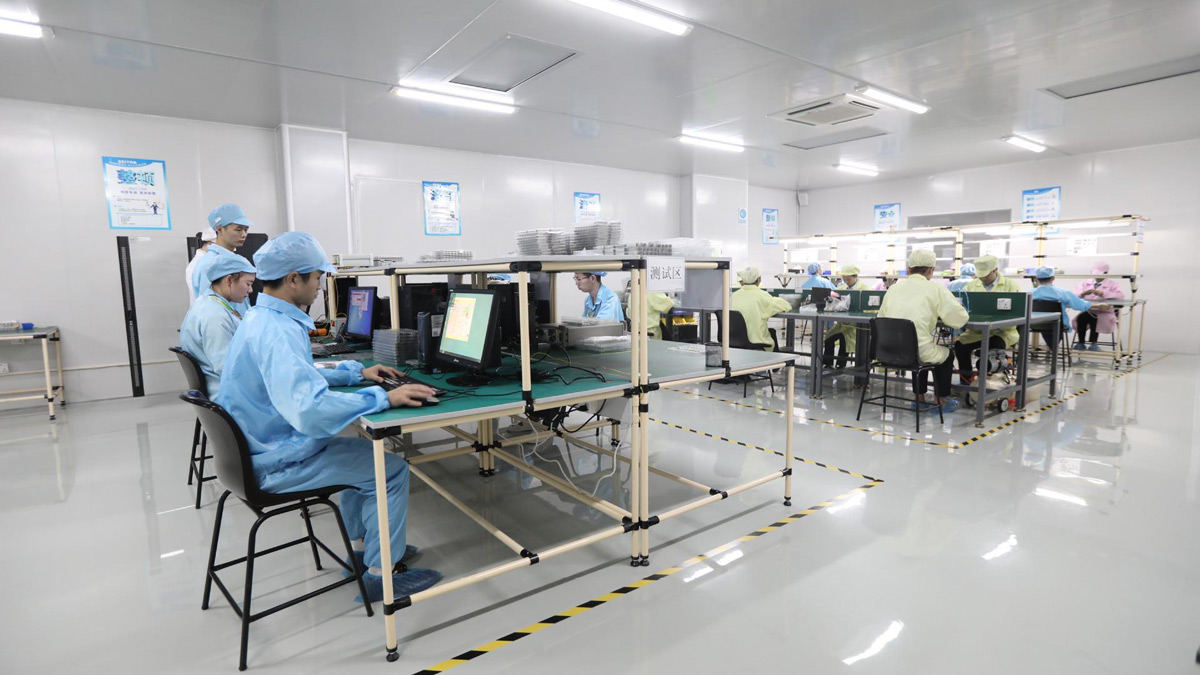
Shenzhen Soras Technology Co., Ltd. operates at the apex of China's automated telecommunications manufacturing ecosystem. Utilizing advanced SMT (Surface Mount Technology) systems, high-precision automated optical alignment chambers, and strict simulation laboratories, our production facilities represent the cutting-edge of Industry 4.0. We address supply chain bottlenecks through localized component sourcing, rapid prototyping, and vertical manufacturing integration.

Automated component placement for switch mainboards and ONU circuit layouts, guaranteeing high solder joint reliability and precision circuitry.
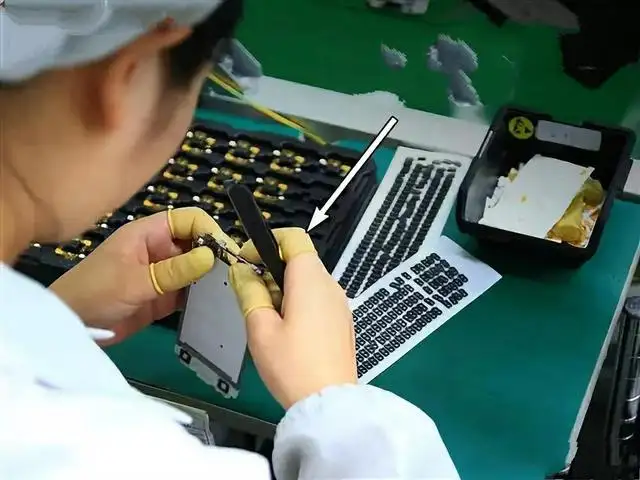
Multi-stage optical inspections and high-magnification microscopy verify trace routing and fiber alignments before enclosure integration.
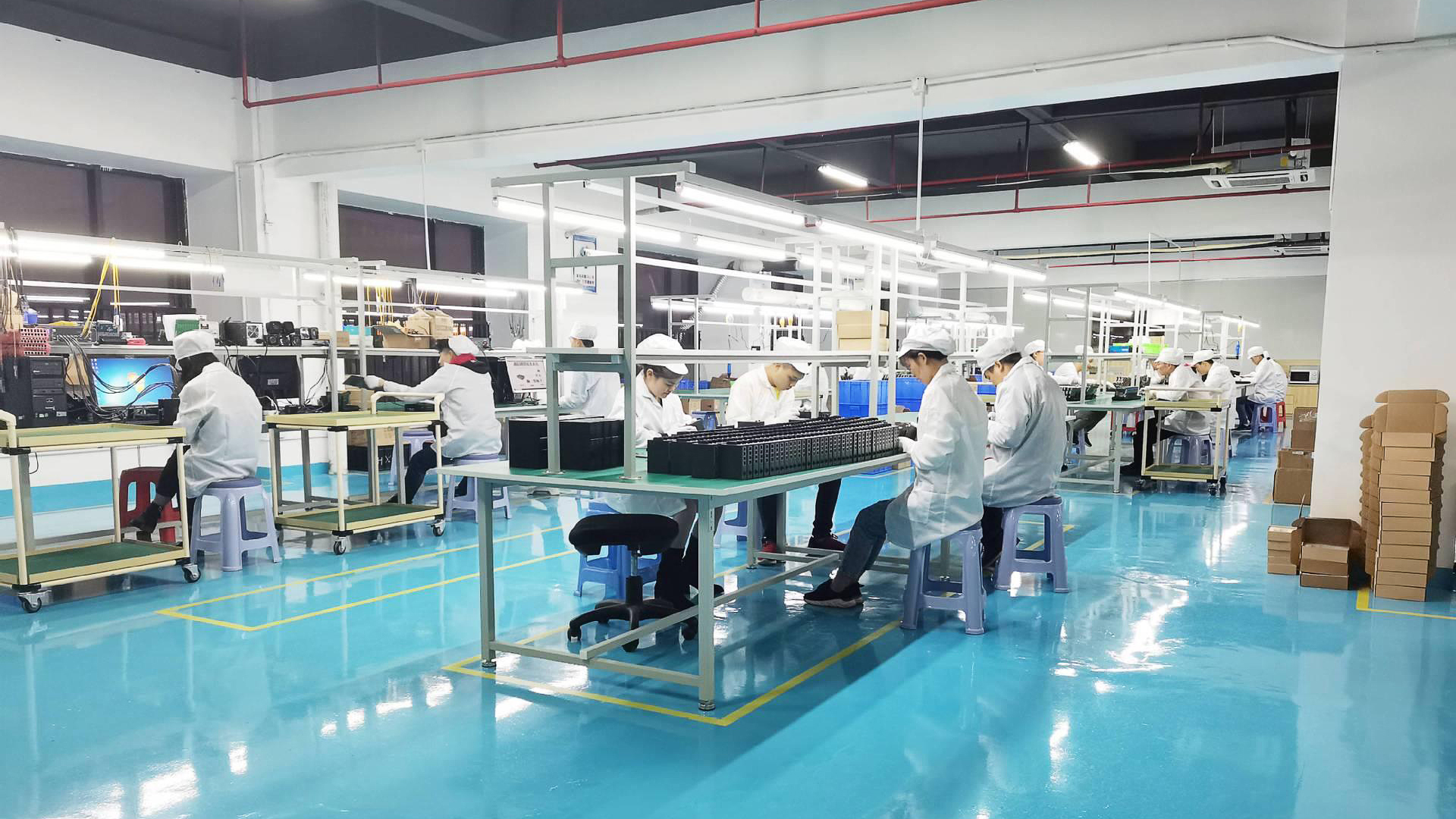
Technicians assembly internal optical sub-assemblies (OSA) and integrate electrical connectors under static-free conditions.
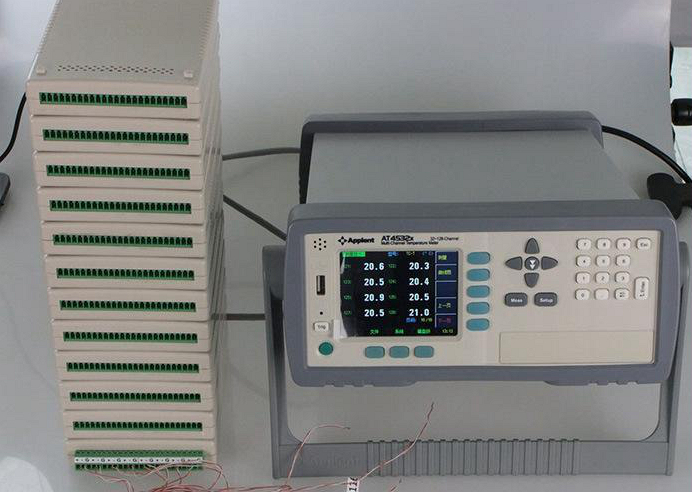
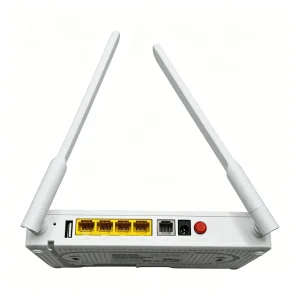
Every WiFi 6 ONT unit undergoes automated frequency and transmit power calibration to verify multi-band signal ranges.
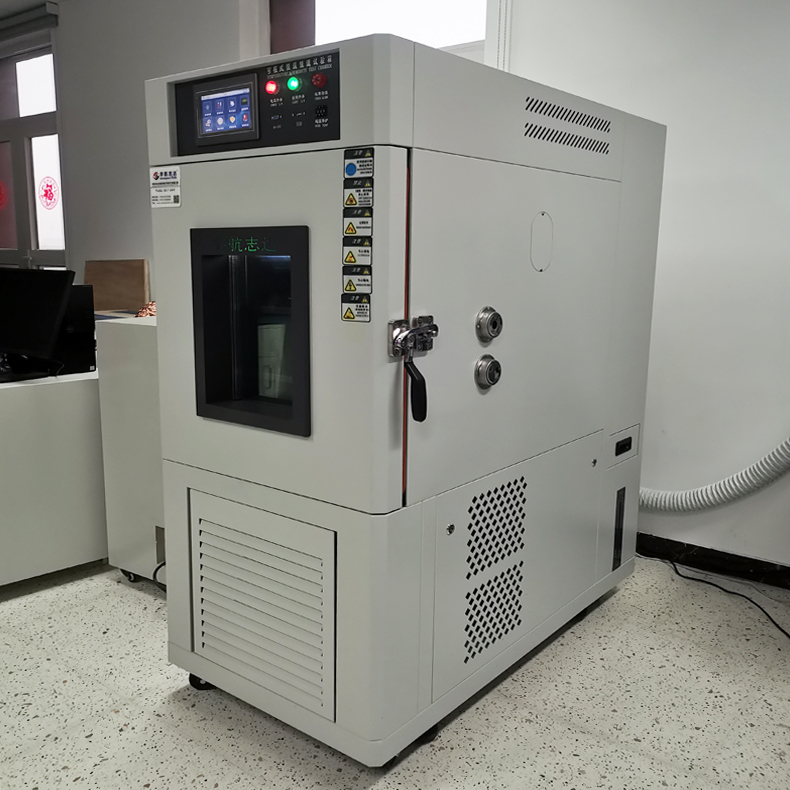
Thermal chambers cycle products from -40°C to +85°C to test structural integrity, optical alignment drift, and component expansion.
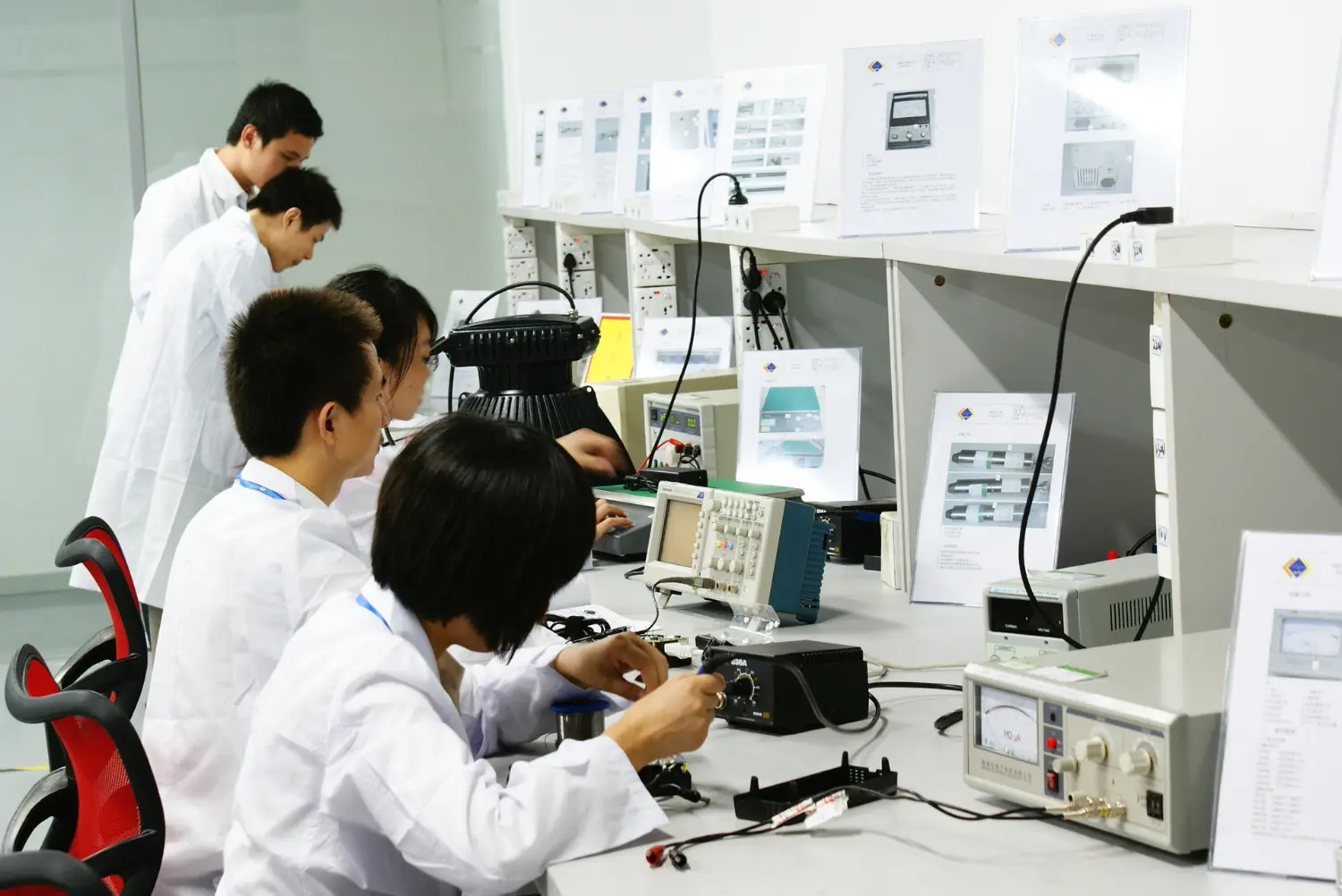
Final system throughput validation, packet loss check, and optic power measurement ensure out-of-the-box system stability.
Our complete product ecosystem of optical transmission and networking solutions is engineered to solve physical limitations across key industrial, commercial, and telecommunications environments.
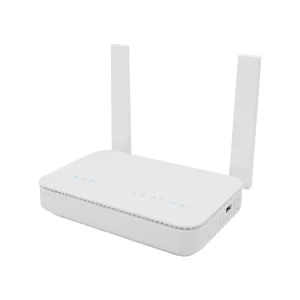
In dense urban areas or spread-out rural communities, GPON and XGS-PON networks rely on passive optical splitters to divide central office OLT fibers into thousands of subscriber drops. Paired with our dual-band WiFi 6 ONTs, home users receive high-bandwidth connections with minimal ping.
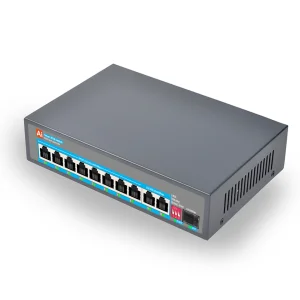
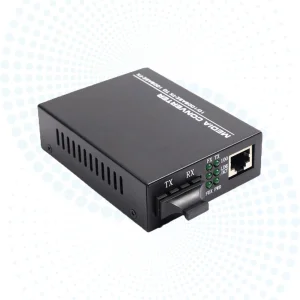
Metropolitan surveillance networks utilize our AI Watchdog PoE Switches and Fiber Media Converters. By running fiber lines over long distances (up to 20km or more) and converting to Ethernet at the terminal pole, smart cities maintain real-time HD feeds with built-in power redundancy.
Modern corporate hubs need fast backbones. Combining 100G QSFP28 optical modules with managed gigabit fiber switches lets network administrators route terabytes of data between departments without bottlenecks.
Shenzhen Soras Technology Co., Ltd. is a dedicated, customer-focused optical transmission equipment manufacturer. Operating globally from Guangdong, China, we offer deep OEM and ODM customization services backed by a robust research and development team.
| Business Type | Manufacturer & Exporter (OEM/ODM Accepted) |
| Country / Region | Guangdong, China |
| Main Product Categories | FTTH ONU & OLT, PLC Splitters, SFP Optical Transceiver Modules, Fiber Media Converters, PoE Switches |
| Total Employees | 11 - 50 Engineering & Operations Experts |
| Annual Revenue | US$5 Million - US$10 Million |
| Year Established | 2021 (Utilizing 10+ Years Sourcing/Design Legacy) |
| Primary Markets | Domestic (24.00%), Eastern Asia (15.00%), North America (15.00%), South America, Europe |
| System Certifications | ISO 9001, UL, CE, FCC, RoHS Compliance |
Expert answers to technical questions about fiber optics, active switches, and customer premises equipment.
Explore more high-reliability fiber transceivers, media converters, and customer premises gear built to optimize latency and bandwidth across metropolitan optical networks.
 Soras Tech