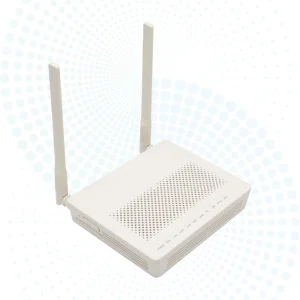
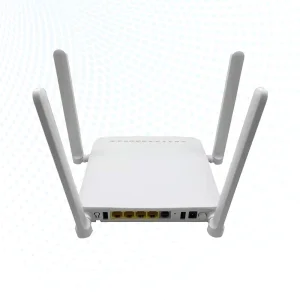
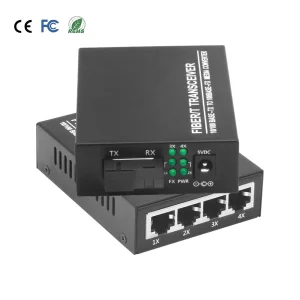
Explore our foundational products engineered for seamless telecom compatibility, enterprise scalability, and long-term deployment reliability.
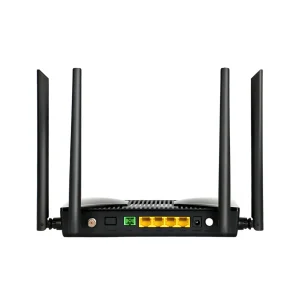
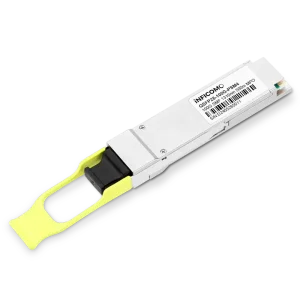
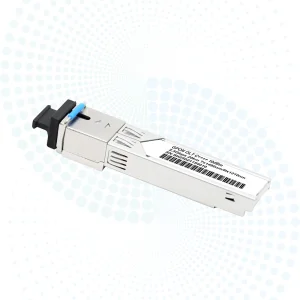
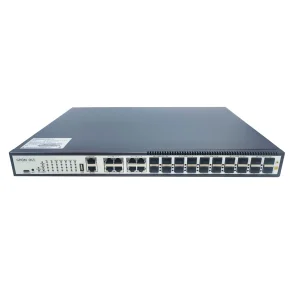
In the era of hyper-scale datacenters, 5G densification, and FTTH networks, custom optical transceivers serve as the critical hardware spine of digital economies. Selecting the ideal OEM manufacturing partner is vital for operational agility, platform interoperability, and cost containment.
Backed by over a decade of deep technical expertise in optical transceiver and network equipment design, Shenzhen Soras Technology Co., Ltd. delivers carrier-grade products under ISO 9001, CE, FCC, UL, and RoHS compliance frameworks.
From custom EEPROM firmware mapping for multi-vendor hardware compatibility to distinct laser configurations (TOSA/ROSA/BOSA) tailored for specialized fiber reaches, we offer granular engineering control to fulfill demanding requirements.
Exporting to more than 60 countries across South America, North America, Europe, and Asia, our logistics and technical support channels align with demanding international procurement timelines.
The global fiber optic communications value chain relies heavily on the industrial cluster of Shenzhen, Guangdong. This region represents the peak of manufacturing integration, combining raw chip processing, SMT operations, laser alignment, and quality control systems within a concentrated logistics network.
By partnering with an established Chinese OEM manufacturer like Soras Technology, global enterprise buyers achieve substantial advantages:

Transparency and rigorous verification form the bedrock of trustworthy technology partnerships. Here are the core specifications of our enterprise operations.
| Operational Parameter | Details & Compliance Standards | Geographic & Financial Scope | Strategic Focus |
|---|---|---|---|
| Business Model | Custom OEM/ODM Manufacturer & System Solutions Provider | Origin: Guangdong, China | Multi-vendor compatible optical module engineering |
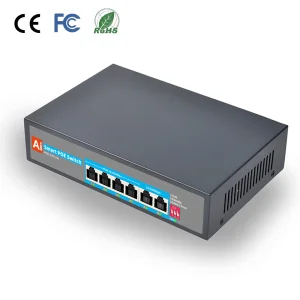
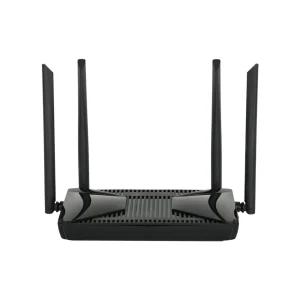
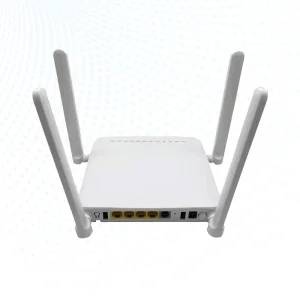
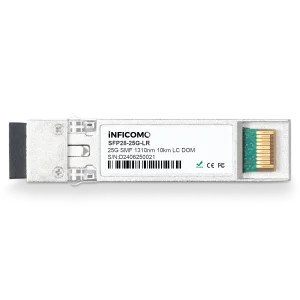
| Primary Product Lines | FTTH ONU & OLT, SFP Transceiver Modules, Fiber Media Converters, PoE Switches | Established: 2021 (Engineering roots span 10+ years) | Complete physical layer solutions for carrier networks |
| Annual Turnout Scale | US$5 Million - US$10 Million Gross Revenue | Staff Count: 11 - 50 Engineering & QC Specialists | High-yield SMT and automated optical test lines |
| Global Markets | Domestic (24.00%), East Asia (15.00%), North & South America (30.00%), Europe (20.00%) | Certificates: ISO 9001, UL, CE, FCC, RoHS Compliance | High reliability standards across varied climates and regulations |
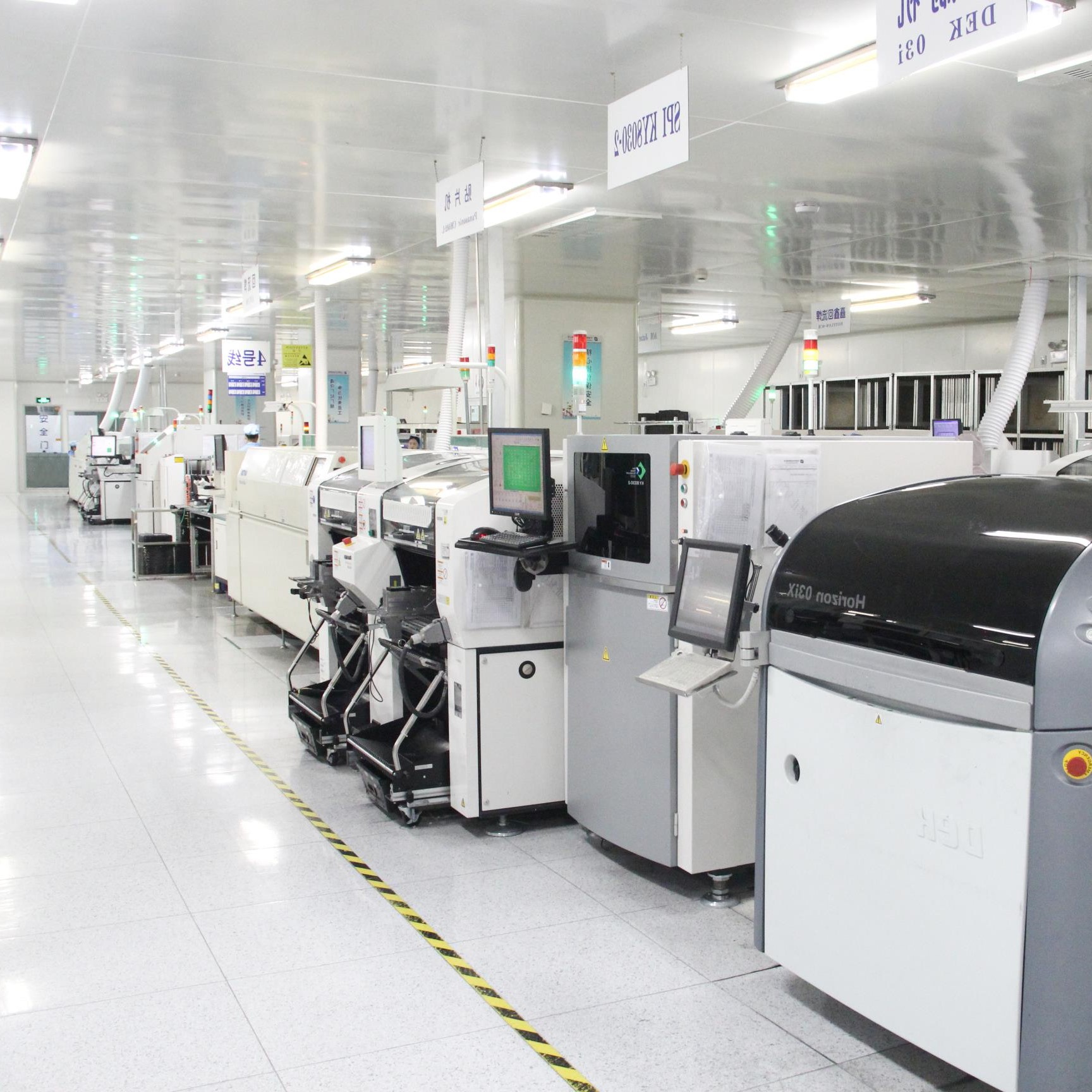
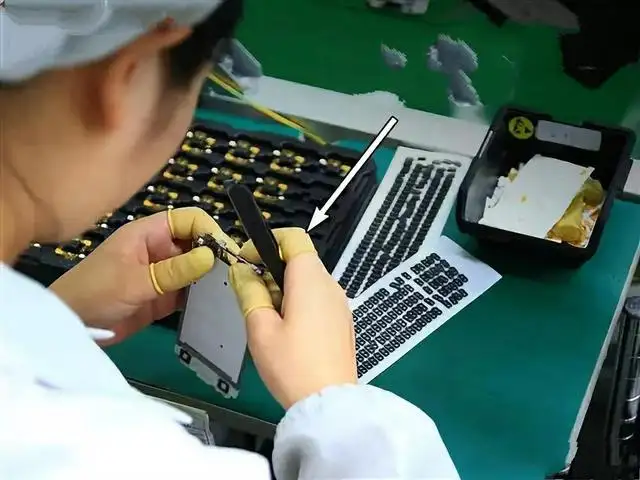
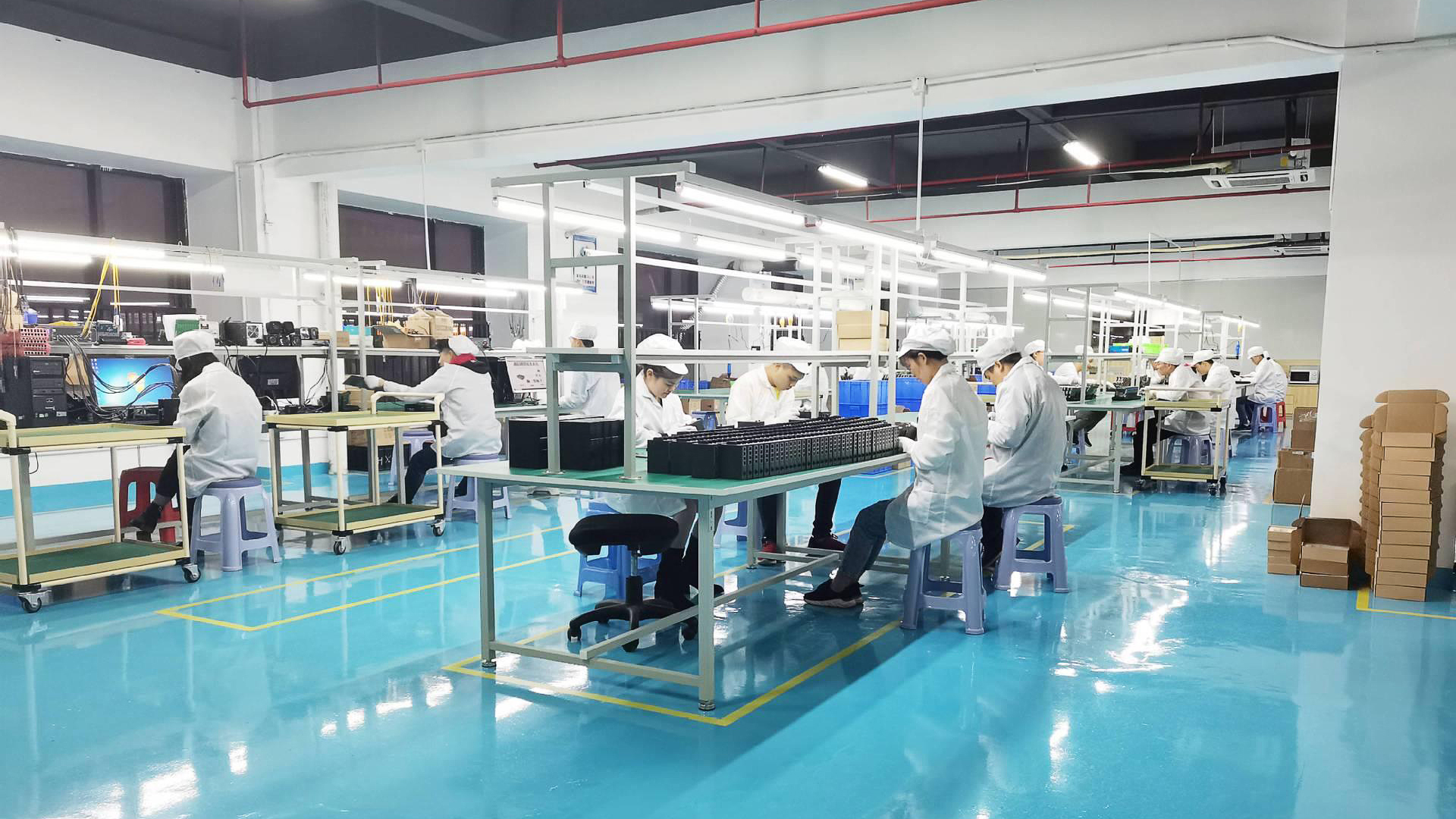
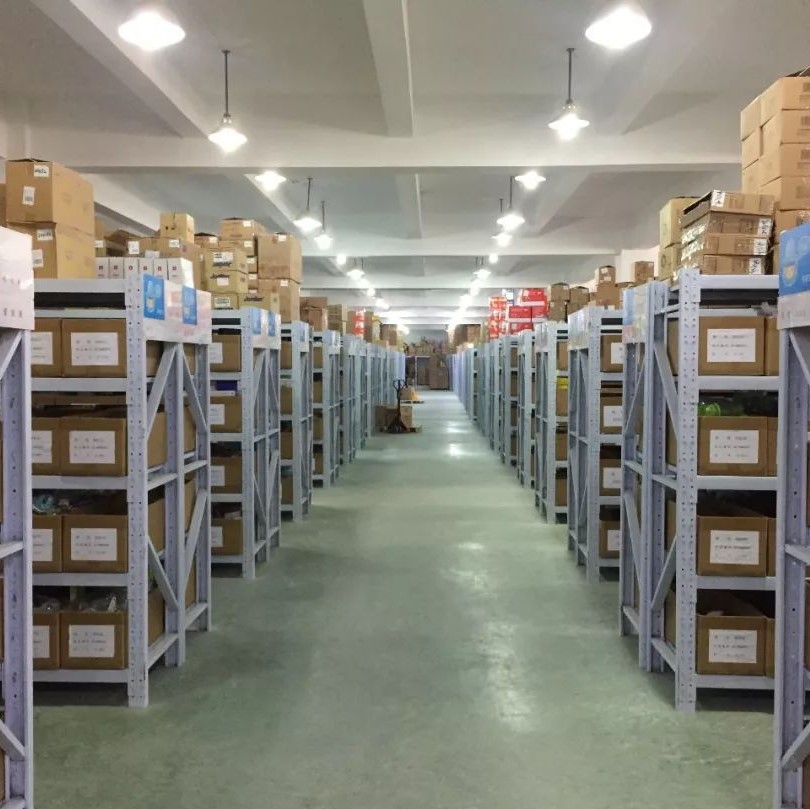
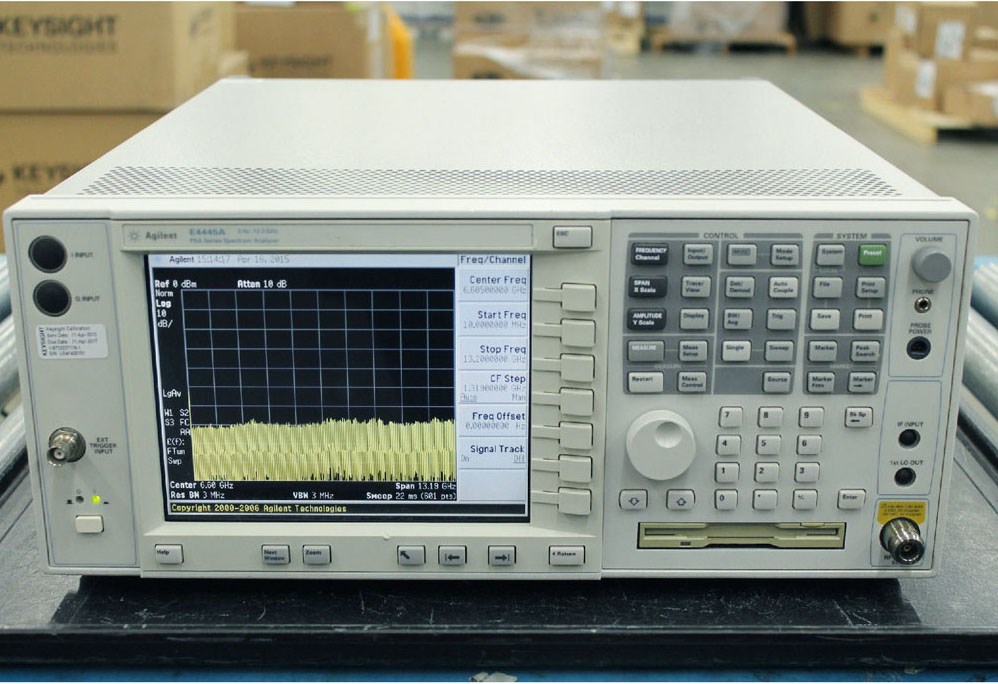
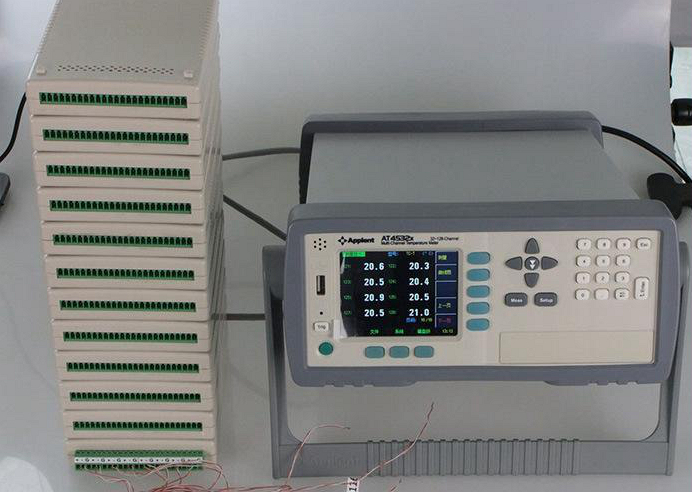
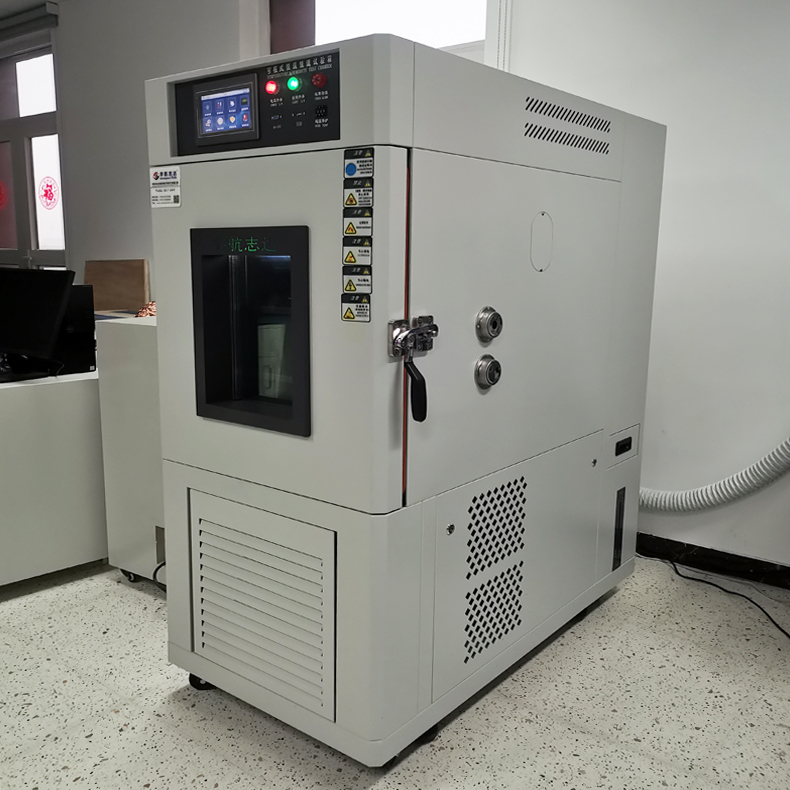
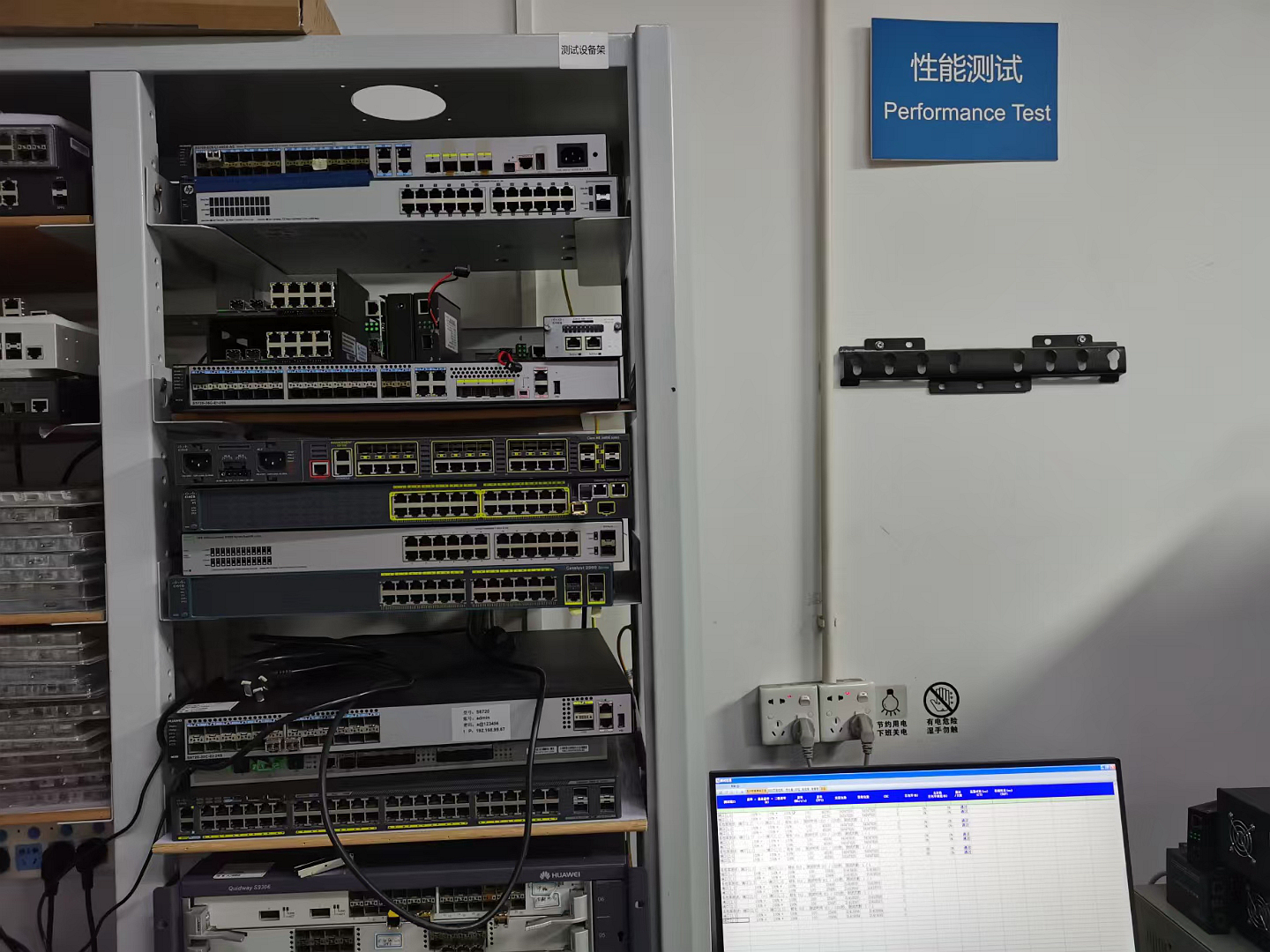
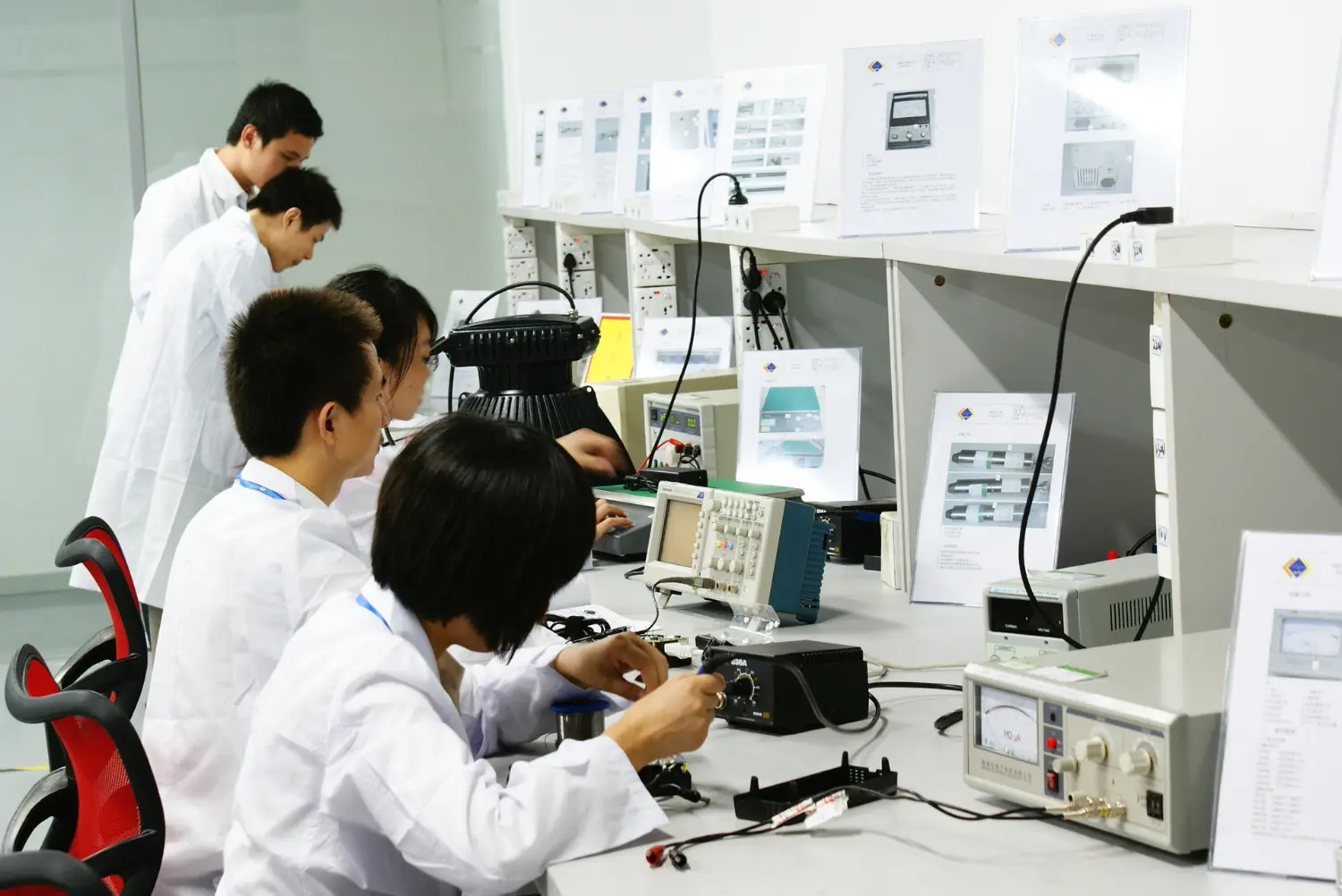
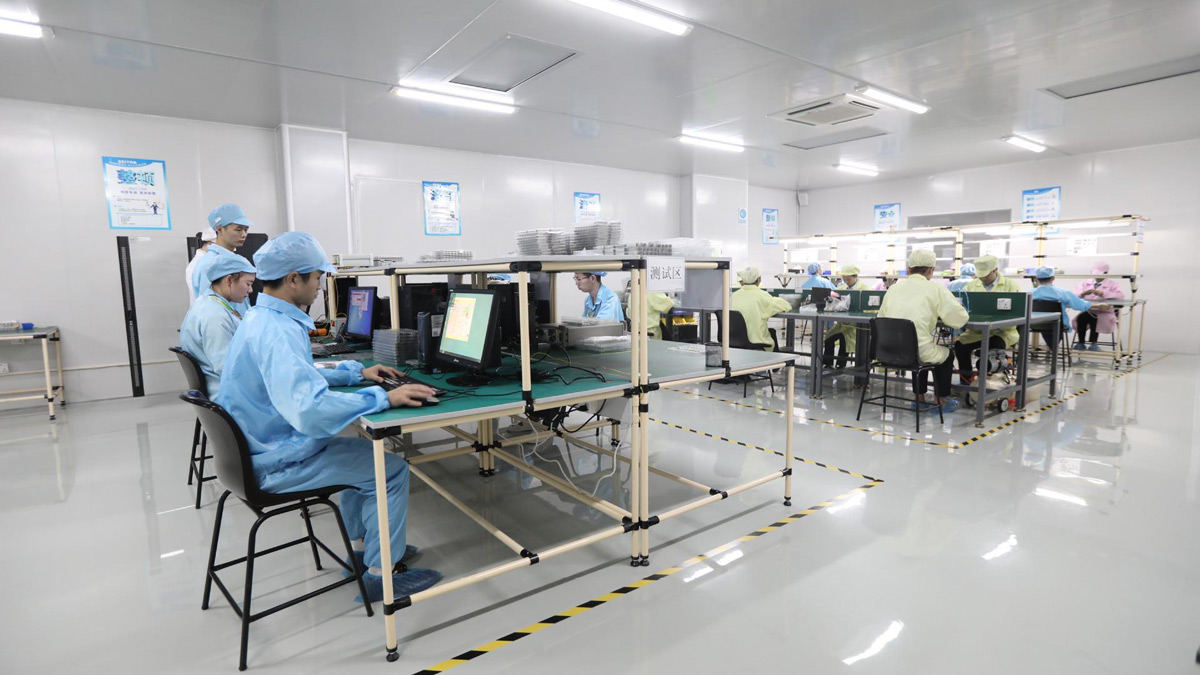
At Soras Technology, we implement strict automated testing protocols at every phase of the assembly process. Our state-of-the-art facility features dedicated testing setups to ensure each module functions reliably in high-density environments.


Optical networking parameters are transitioning from 10G and 25G channels to 100G, 400G, and 800G multi-wavelength platforms. Keeping pace requires a manufacturing partner focused on future-ready designs.
Traditional NRZ (Non-Return-to-Zero) encoding is giving way to PAM4 (Pulse Amplitude Modulation 4-Level) and coherent transmission technology. This change doubles the data rate per channel, supporting the deployment of high-density QSFP28, QSFP-DD, and OSFP modules.
Modern high-speed modules generate significant heat inside high-density switches. Our OEM engineering focuses on reducing power consumption per module, utilizing advanced thermal designs that protect component life and decrease overall cooling costs.
Modern network management relies on real-time hardware insights. Our custom transceivers feature integrated DDM capabilities that continuously monitor laser bias current, optical output power, receiver sensitivity, operating temperature, and supply voltage.
Modern networks rarely consist of equipment from just a single vendor. Systems typically feature switches, routers, and firewalls from various manufacturers. Standard, off-the-shelf transceivers often trigger compatibility warnings or refuse to initialize.
Soras Technology solves this challenge with custom EEPROM coding. We match the key identifier codes of major hardware platforms, ensuring our modules interoperate smoothly across environments:
Strategic sourcing decisions require checking key performance metrics that ensure network reliability and protect long-term investments.
All transceivers are built to comply with Multi-Source Agreements (MSAs). This ensures our products align with standard dimensions, connectors, and electrical interfaces, guaranteeing compatibility across compliant host platforms.
Every module is tested to meet or exceed industry-standard bit error rates (e.g., 10^-12). This clean performance protects network throughput and prevents packet loss, even in high-traffic conditions.
We source lasers and photodetectors from top-tier component manufacturers. This careful supply chain control minimizes early component failure and ensures long-term operational stability.
Technical details to help network engineers and procurement managers evaluate Custom SFP Module Manufacturers.
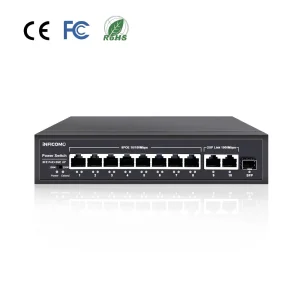
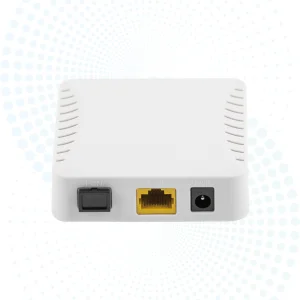
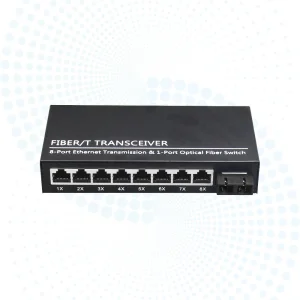
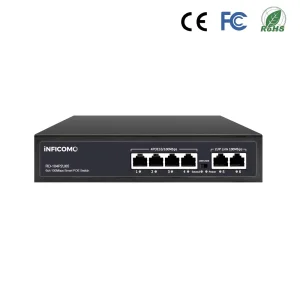
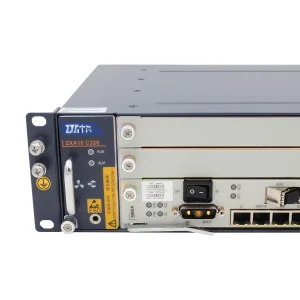
Complement your custom transceiver deployments with our comprehensive range of OLT, ONT, media converters, and power-delivery systems.
 Soras Tech