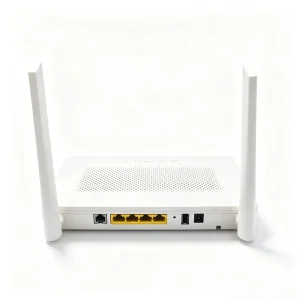
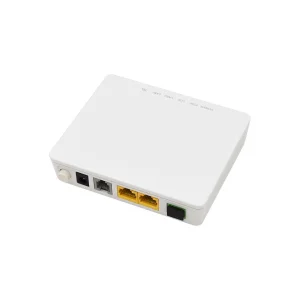
Direct from Factory: Certified fiber patch cords and active optical terminals tailored for Tashkent and regional networks.
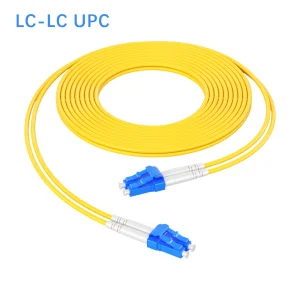
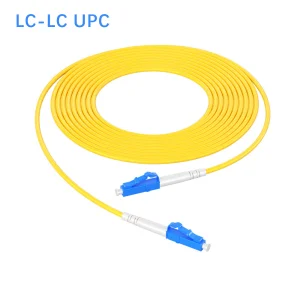
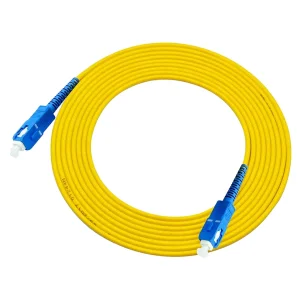
As Central Asia undergoes a massive digital evolution, Uzbekistan sits at the geographical and infrastructural nexus of this transformation. Initiated under the nationwide "Digital Uzbekistan 2030" strategy, the country is rapidly shifting from legacy copper-wire layouts to advanced fiber-optic networks. To achieve high-speed connectivity across metropolitan centers such as Tashkent, Samarkand, and Namangan, network architects require optical components that combine raw performance with long-term mechanical reliability.
Within this context, the single-mode patch cord acts as the central vascular channel for signal routing in telecom hubs, datacenters, and corporate enterprise setups. Whether terminating connections inside Central Offices (CO) or bridging the final span in Fiber-To-The-Home (FTTH) drop connections, the mechanical and optical stability of these patch cables determines the overall transmission efficiency, signal-to-noise ratio, and operational lifetime of the infrastructure.
"Uzbekistan’s extreme continental temperature fluctuations—ranging from hot dry summers above 45°C to harsh sub-zero winter spells—demand specialized cable jacketing. Shenzhen Soras Technology addresses this challenge by providing low-attenuation Single Mode (G.652.D & G.657.A1) patch cords wrapped in specialized LSZH (Low Smoke Zero Halogen) compounds built to resist thermal contraction and expansion."
When deploying single-mode patch cords in high-density optical distribution frames (ODFs), performance is defined by two critical parameters: Insertion Loss (IL) and Return Loss (RL). For critical carrier-grade links in Central Asia, Soras Technology implements rigorous geometry controls and endface polishing processes:
Understanding the unique regional demands is the key to executing clean network rollouts. We supply custom cabling configurations for various domestic sectors:
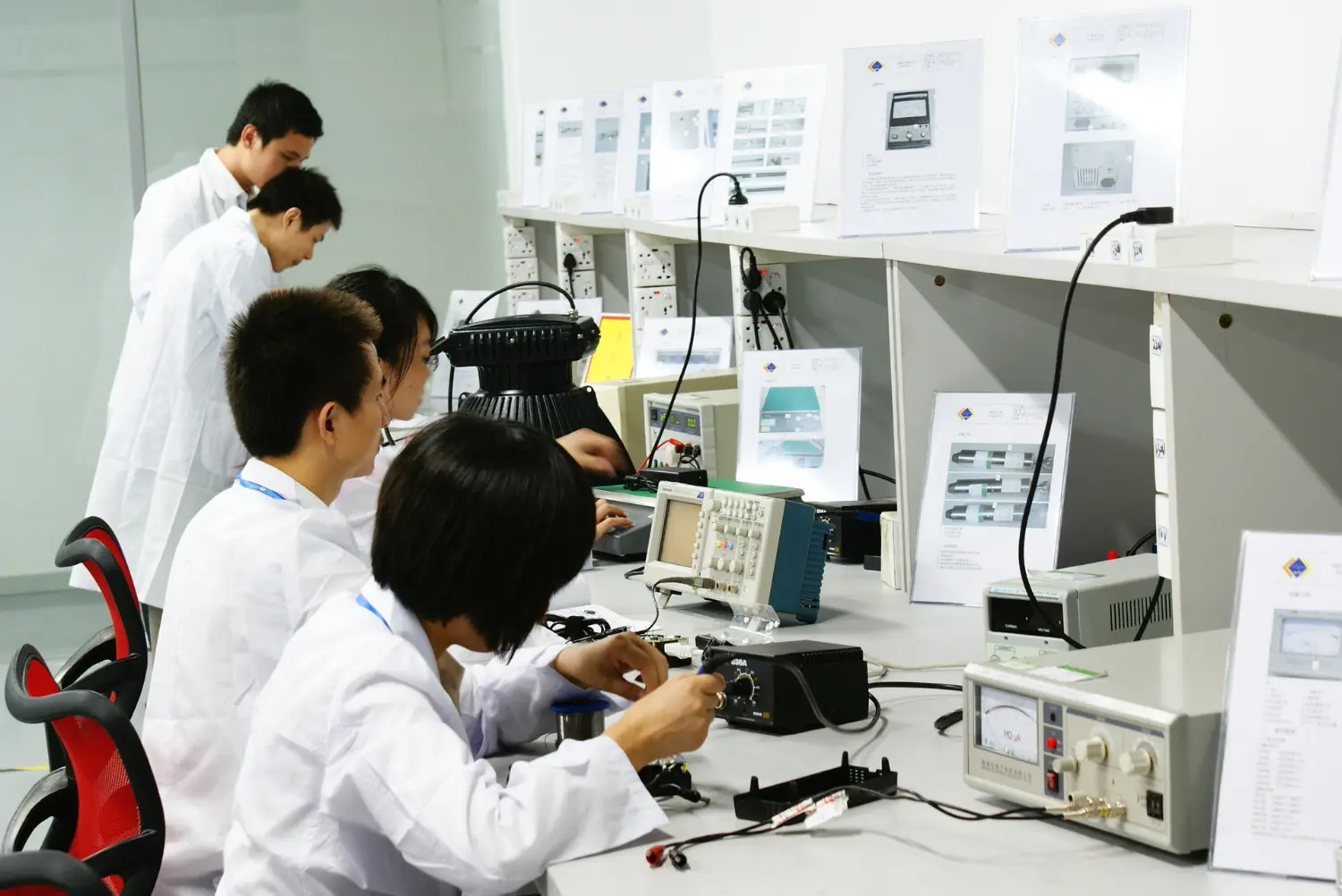
As a dedicated fiber optic systems manufacturer based in Shenzhen, China, Shenzhen Soras Technology Co., Ltd. bridge the gap between high-precision production and direct delivery to the Central Asian market. By maintaining complete control over our SMT assembly lines, optical testing laboratories, and environmental chamber testing, we ensure that every patch cord shipped is fully documented with individual serial numbers and test reports showing compliance with international ISO 9001, CE, FCC, and RoHS standards.
| Parametric Specifications | G.652.D Single-Mode Core | G.657.A1 Bend-Insensitive Core |
|---|---|---|
| Operating Wavelength | 1310nm / 1550nm | 1260nm to 1625nm | Typical Insertion Loss | ≤ 0.20 dB | ≤ 0.18 dB |
| Return Loss (UPC / APC) | ≥ 55 dB / ≥ 65 dB | ≥ 55 dB / ≥ 65 dB |
| Minimum Bend Radius | 30 mm | 10 mm |
| Tensile Strength (Max) | 100 N (Short term) | 80 N (Short term) |
| Operating Temperature | -40°C to +85°C | -45°C to +85°C |
By working with Soras Technology, engineering firms and telecommunication wholesalers in Tashkent obtain clear Information Gain: direct factory-floor pricing, custom length assembly (from 1m to 150m), bespoke color-coding schemes to optimize distribution frames, and access to a comprehensive ecosystem including XPON ONUs, SFP transceivers, and media converters.
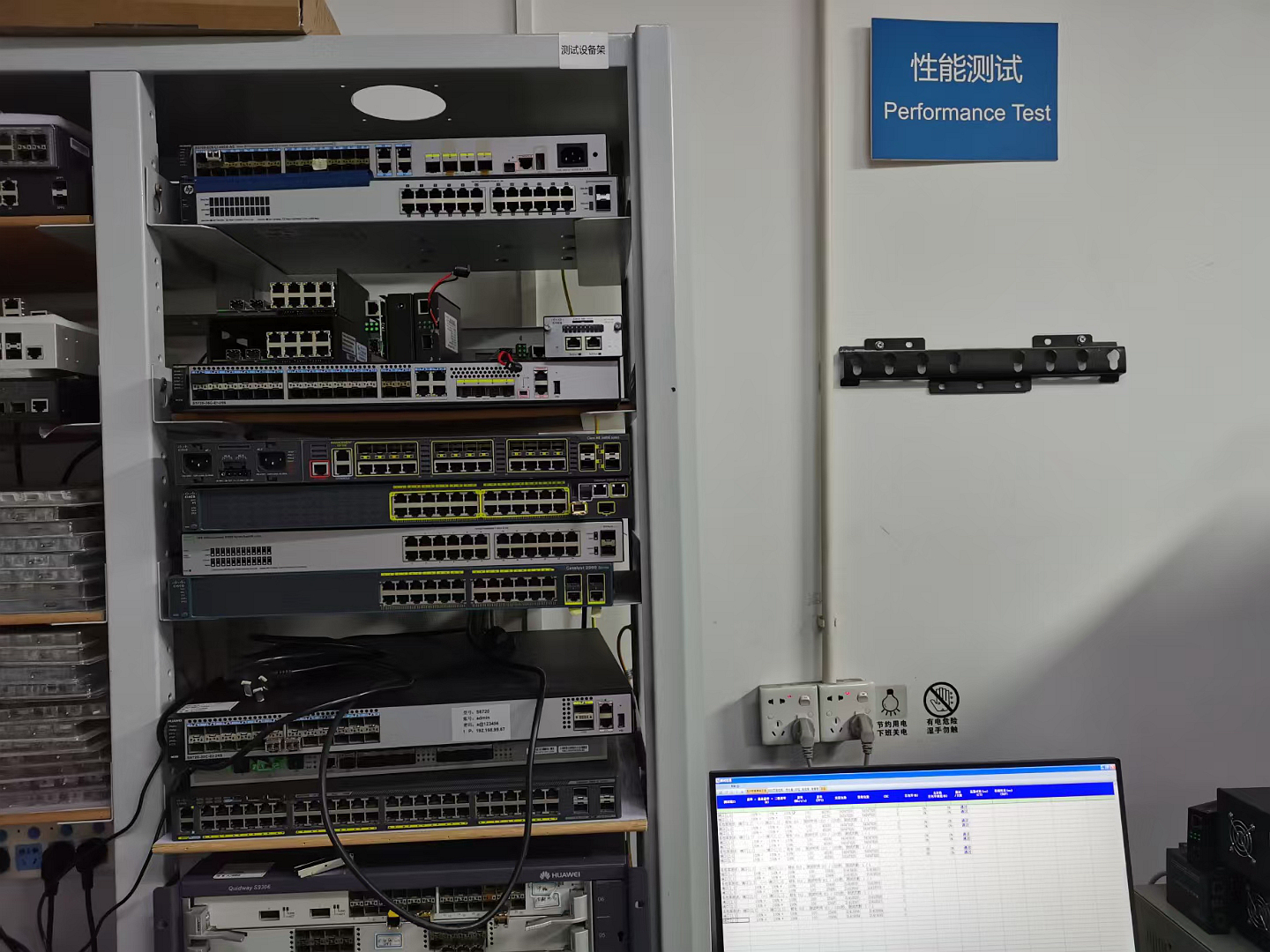
A transparent look inside our production and validation workflows. We ensure optical excellence through systematic quality check gates.
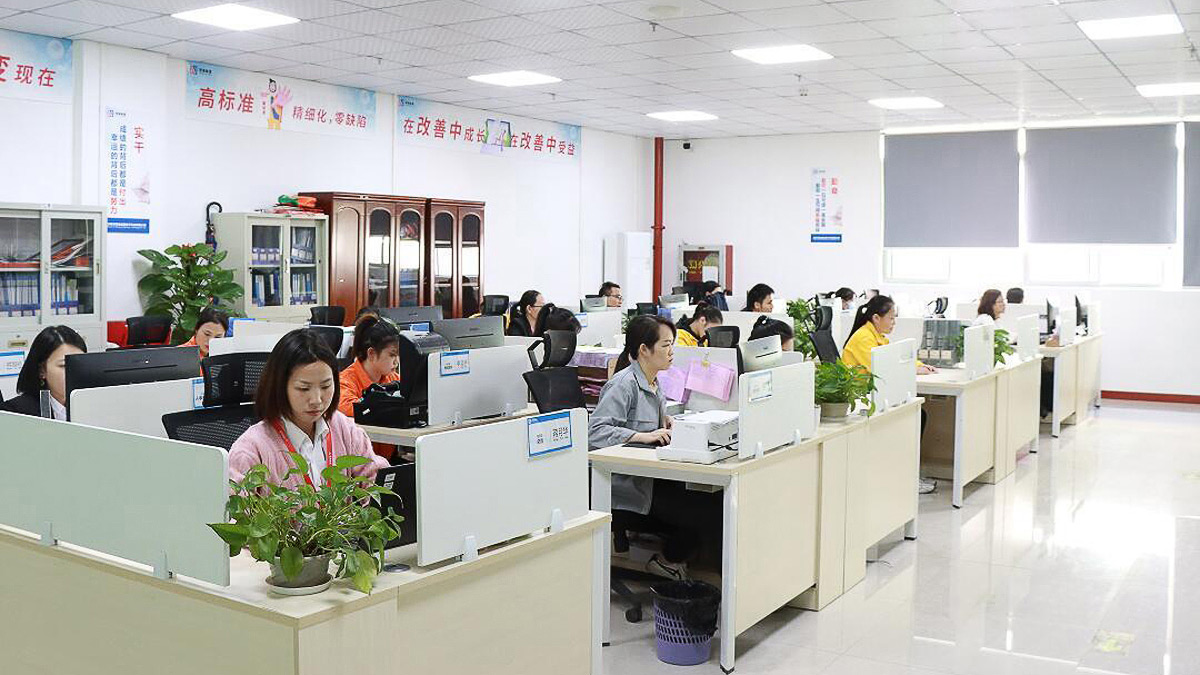
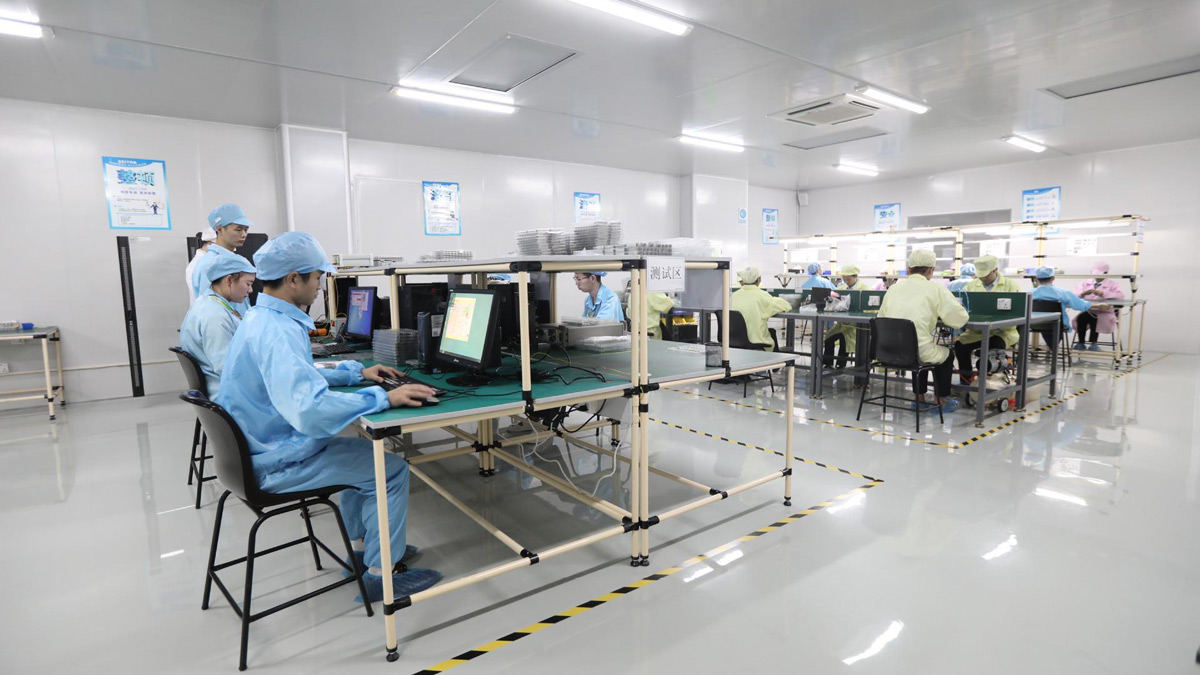
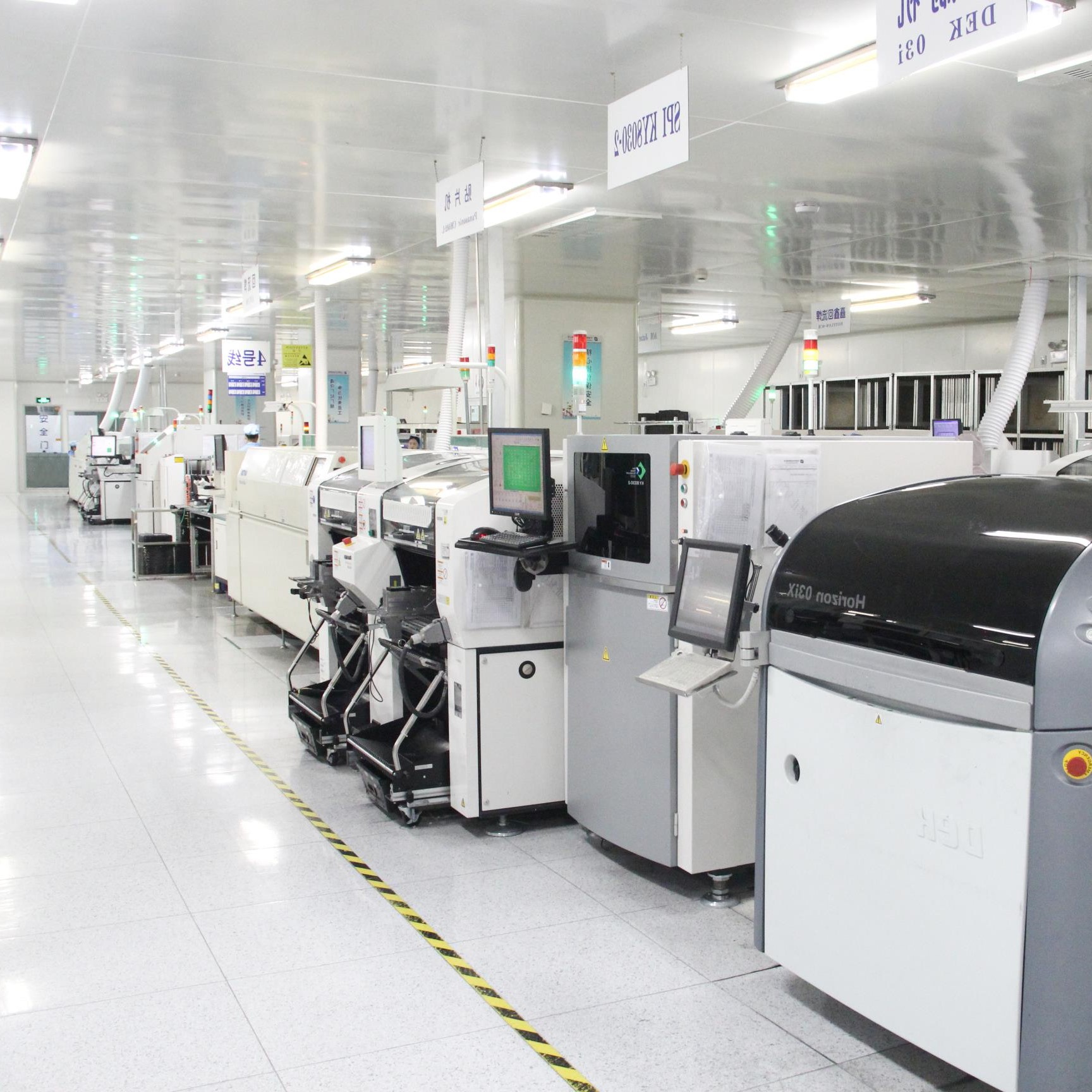
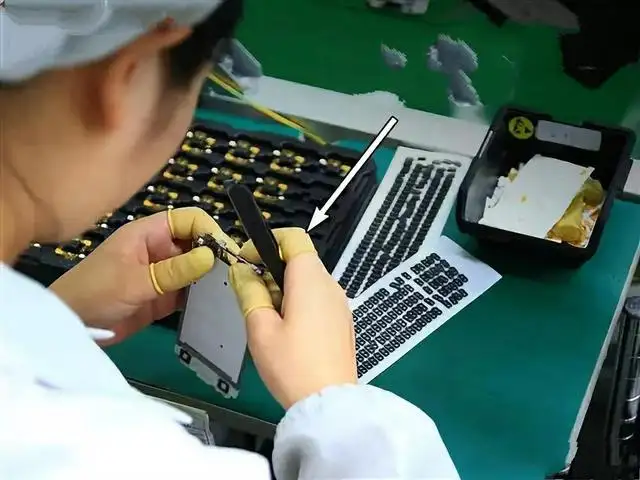
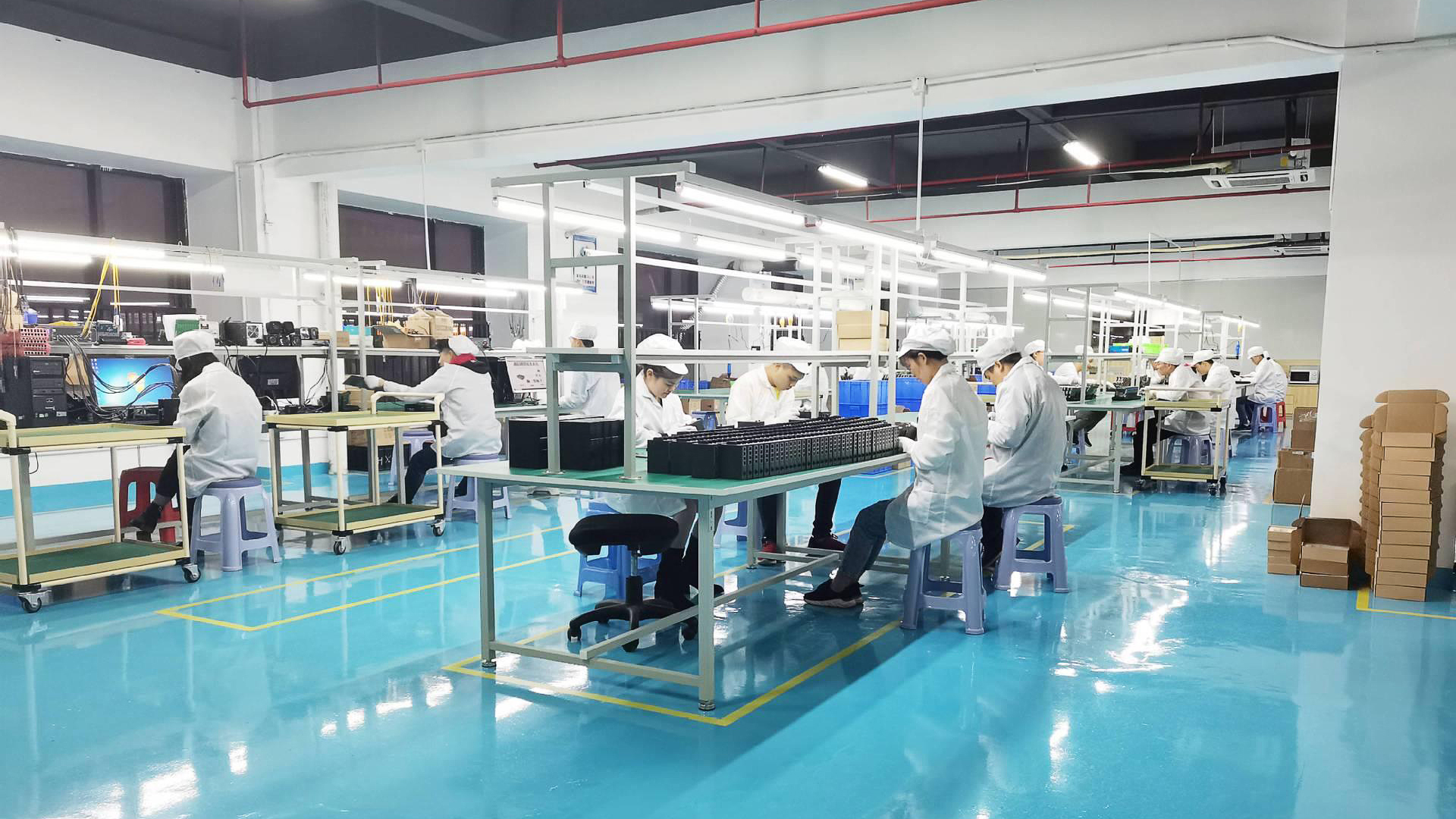
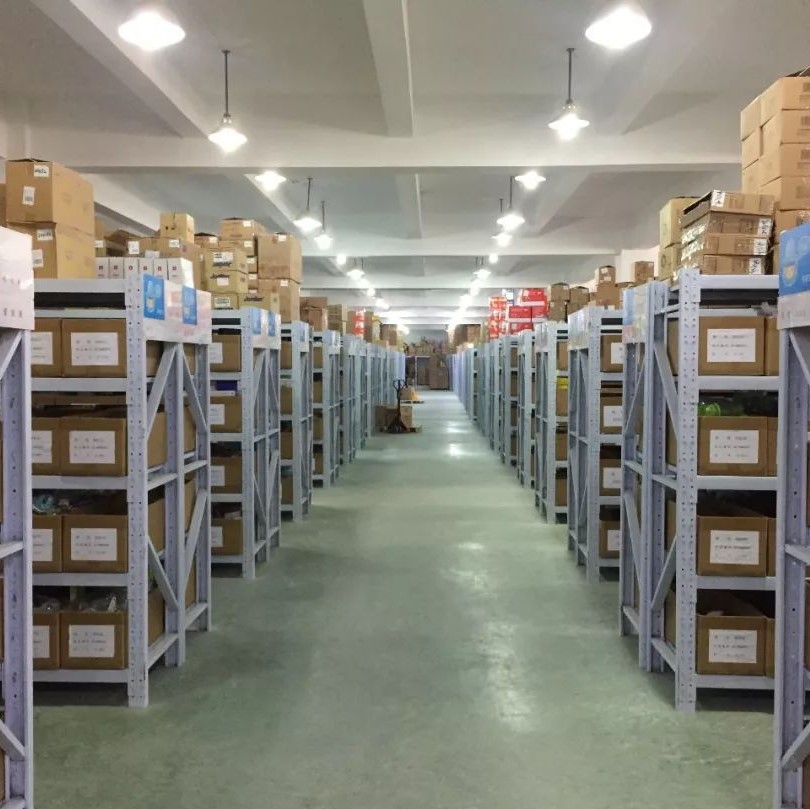
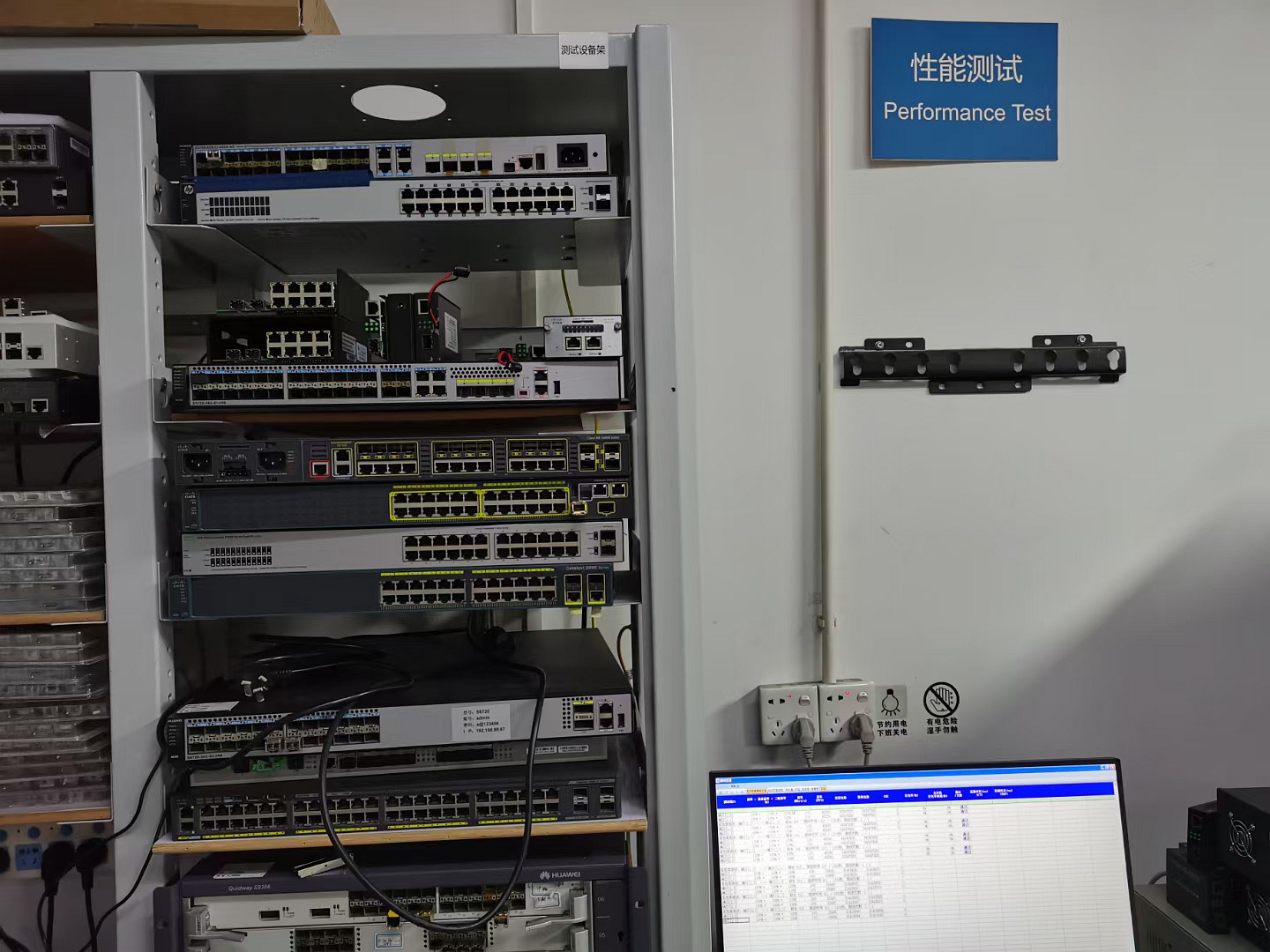
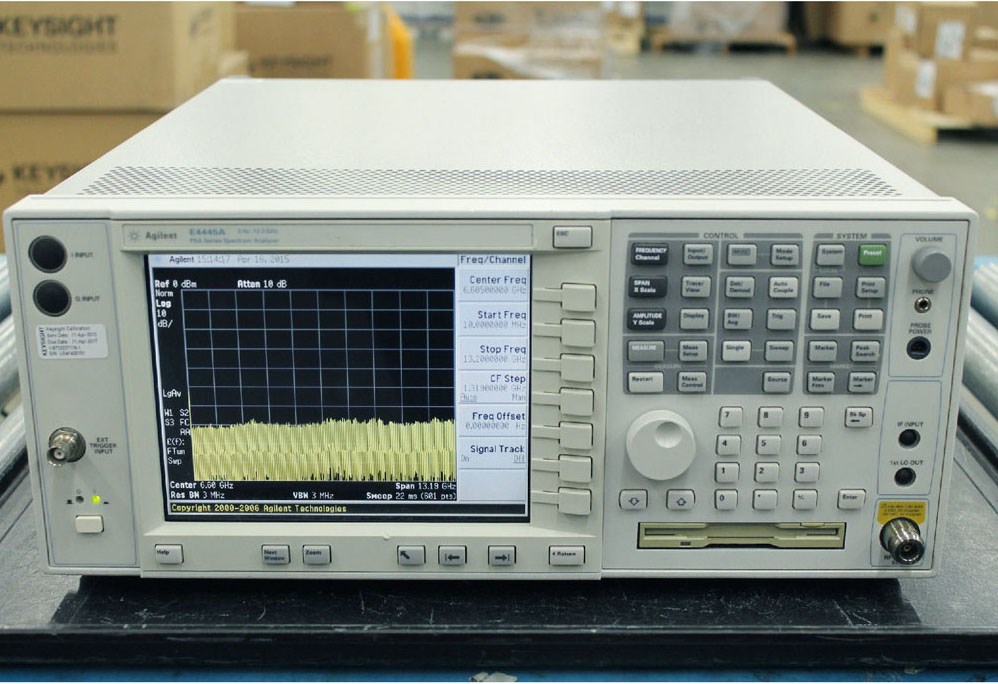
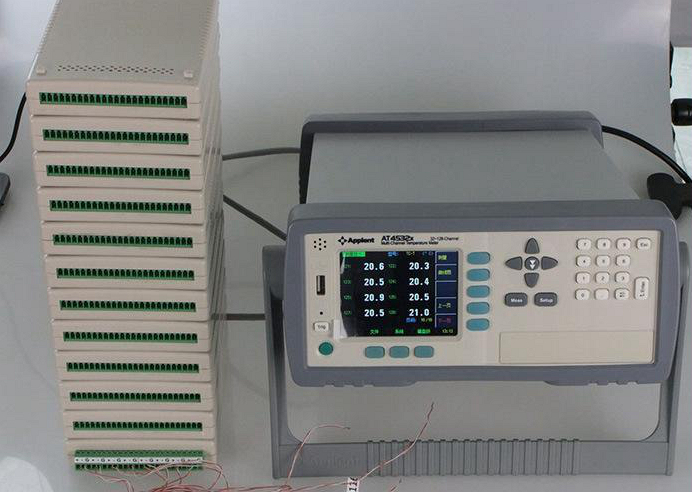
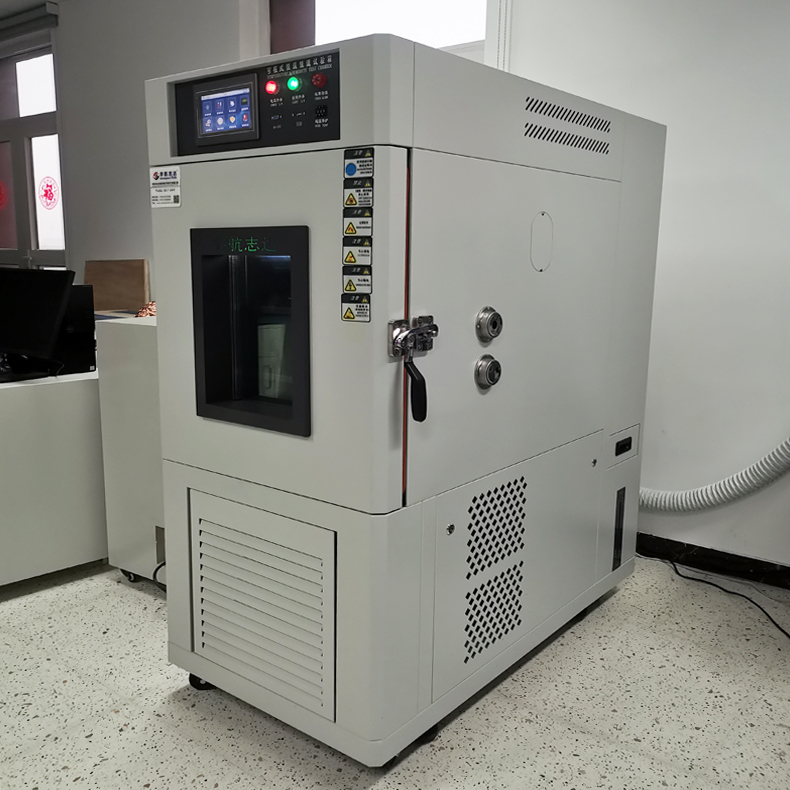
A trusted manufacturer of high-density optical transmission equipment and active network terminals with over a decade of industry expertise.
Shenzhen Soras Technology Co., Ltd. is a leading manufacturer of optical transmission equipment and network equipment with more than 10 years of experience. We rely on high-quality management and technological innovation, committed to providing customers with high-quality, cost-effective, high value-added products and solutions. Today, we work closely with telecommunications companies around the world. We have strong technical force and an experienced R&D team, meaning products can be developed according to customer requirements; we also accept your OEM and ODM orders. Now our products are exported to more than 60 countries, with major markets in South America, North America, and Europe. Our main products include Fiber Media Converters, SFP Modules, POE Switches, ONU, OLT, and supporting fiber routing products. We have passed ISO 9001, UL, CE, FCC, and ROHS Certification. Our core aim is "superior quality, professional service, competitive price, integrity-based." We believe this is not only our responsibility but also the best way forward for long-term cooperative development. Soraslink looks forward to partnering with you!
| Business Type | Manufacturer | Country / Region | Guangdong, China |
| Main Products | FTTH ONU & OLT, SFP Module, Fiber Media Converter, Poe Switch, Fiber Optic Equipment, Single Mode Patch Cords | Total Employees | 11 - 50 People |
| Total Annual Revenue | US$5 Million - US$10 Million | Year Established | 2021 |
| Main Markets | Domestic Market (24.00%), Eastern Asia (15.00%), North America (15.00%), Developing Central Asia & CIS Markets (Expansion focus) | ||
Addressing engineering challenges, standards compliance, and optimization tactics for network planners in Uzbekistan.
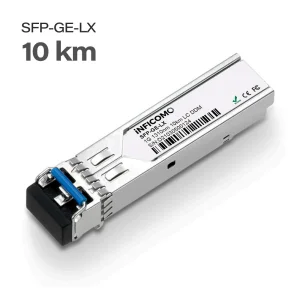
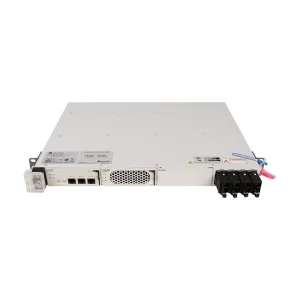
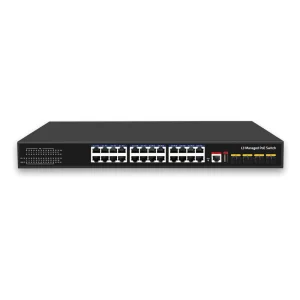
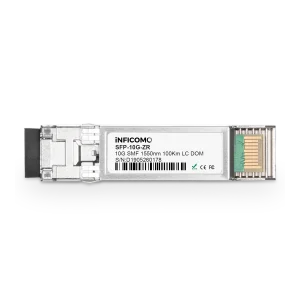
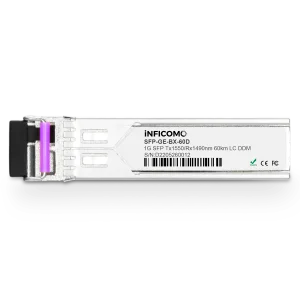
Complete optical transmission lineup including active fiber switches, media converters, and high-compatibility SFP transceivers.
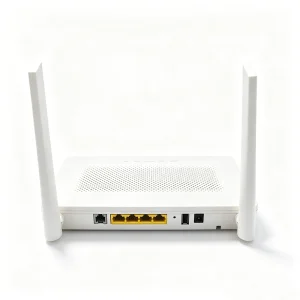
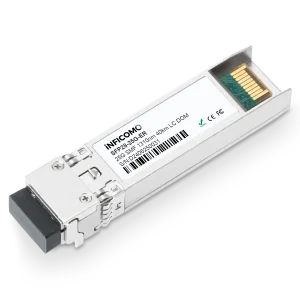
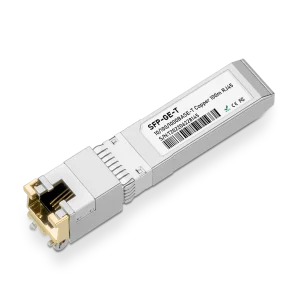
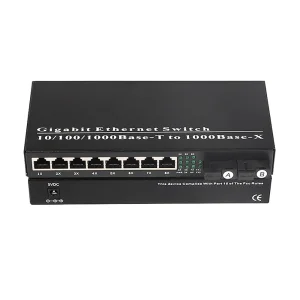
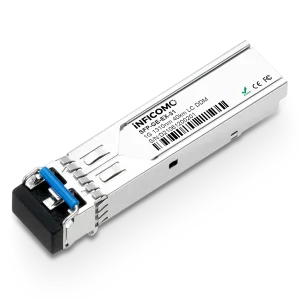
Optimize your regional fiber rollouts in Uzbekistan with our factory-direct single-mode patch assemblies, active terminal gear, and tailored freight options.
Send Inquiry Now Soras Tech