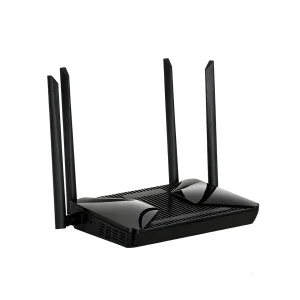
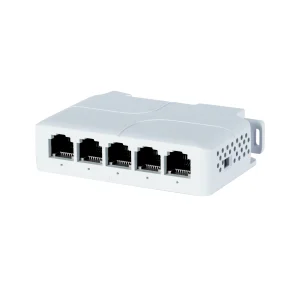
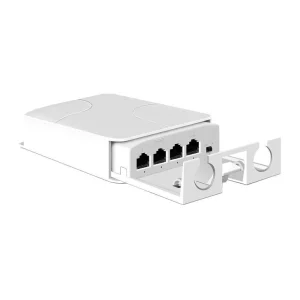
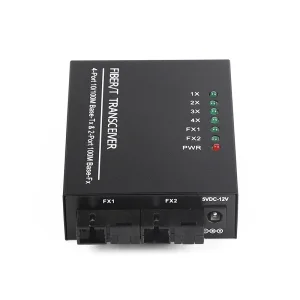
High-precision optical communication equipment designed for testing environments, system integration, and enterprise networks.
Navigating the complexities of high-speed data transmission and rigorous validation protocols.
The global telecommunications infrastructure is experiencing unprecedented transformation, spurred by the rapid expansion of fiber-to-the-home (FTTH), high-performance computing, smart city integration, and the transition to Wi-Fi 6/7. At the heart of this deployment lies the absolute requirement for precise verification and diagnostic testing. Test equipment exporters play a critical role in this ecosystem, providing the essential tools and certified active network components that assure the link budget, signal integrity, and data rates across municipal and continental optical corridors.
In high-bandwidth contexts, physical layer validation cannot be compromised. Networks require persistent testing under extreme environmental loads to prevent packet drop, insertion loss deviation, and thermal runaway. Consequently, network operators and global procurement managers seek test equipment and hardware providers that demonstrate deep engineering expertise, rigorous control systems, and complete transparency in their supply chain.
Understanding the technological shifts that dictate modern purchasing criteria.
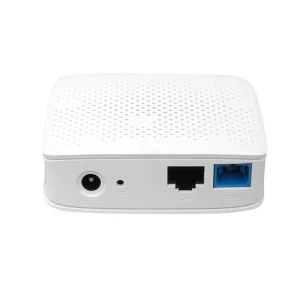
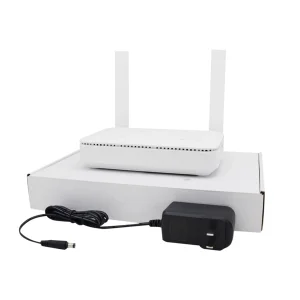
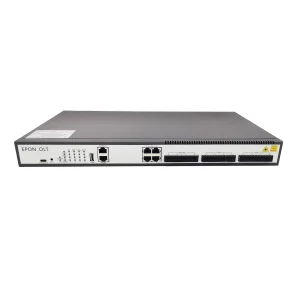
As consumer demand shifts toward multi-gigabit connections, ISPs are rapidly transitioning from legacy GPON systems to 10G-GPON and XGS-PON architectures. This transition demands high-performance Optical Line Terminals (OLTs) and Optical Network Units (ONUs) capable of handling dense multiplexing without introducing signal degradation. Exporters of testing and transmission equipment must guarantee that their transceivers and active endpoints support these higher wavelengths with minimal spectral drift.
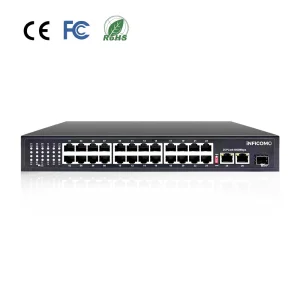
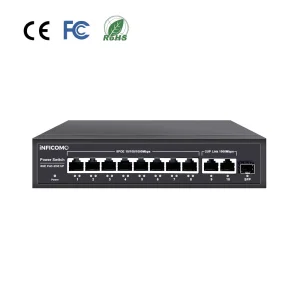
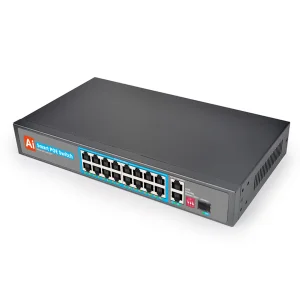
With the rise of smart surveillance, PTZ cameras, and remote industrial sensors, standard PoE (802.3af/at) has evolved to IEEE 802.3bt. This standard delivers up to 90W of power over standard copper cabling. Modern test equipment and extenders must be capable of validating high power budgets over long distances without causing signal crosstalk or overheating in dense cable bundles.
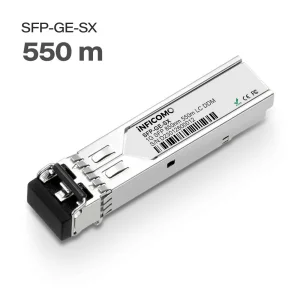
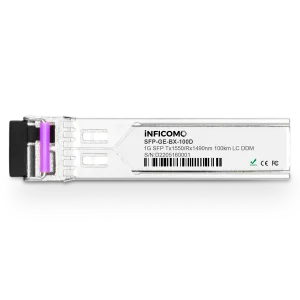
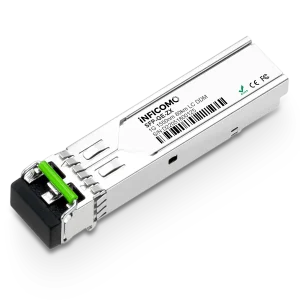
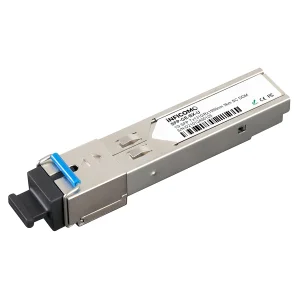
Modern SFP transceivers must incorporate Digital Diagnostics Monitoring (DDM) or Digital Optical Monitoring (DOM) compliant with SFF-8472. This enables network administrators to query real-time operating metrics such as optical output power, optical input power, temperature, laser bias current, and transceiver supply voltage directly from the switch console. This built-in diagnostic capacity acts as an integrated, real-time testing suite.
Critical selection parameters for ISPs, enterprise networks, and industrial systems integrators.
Procurement teams at international telecom operators, data centers, and heavy industrial facilities have rigid criteria when selecting export partners. To maintain compliance and network longevity, they prioritize the following parameters:
Inside the production and testing ecosystem of Shenzhen Soras Technology Co., Ltd.
Located in the heart of China’s global tech hub, Shenzhen Soras Technology Co., Ltd. stands as a benchmark of Factory 4.0 production principles. By integrating highly automated Surface Mount Technology (SMT) lines, structured manual assembly, and multi-tier quality control systems, Soras ensures high throughput without compromising on device-level consistency.
Our commitment to high manufacturing standards is backed by strict verification protocols. Every optical transceiver, media converter, PoE switch, and ONU terminal undergoes an exhaustive battery of hardware validation tests before leaving the warehouse. This ensures that the hardware performs flawlessly as network test nodes or transmission endpoints under demanding field conditions.


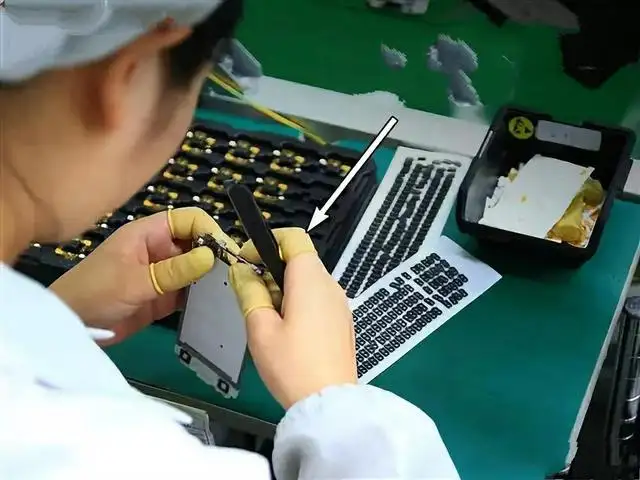


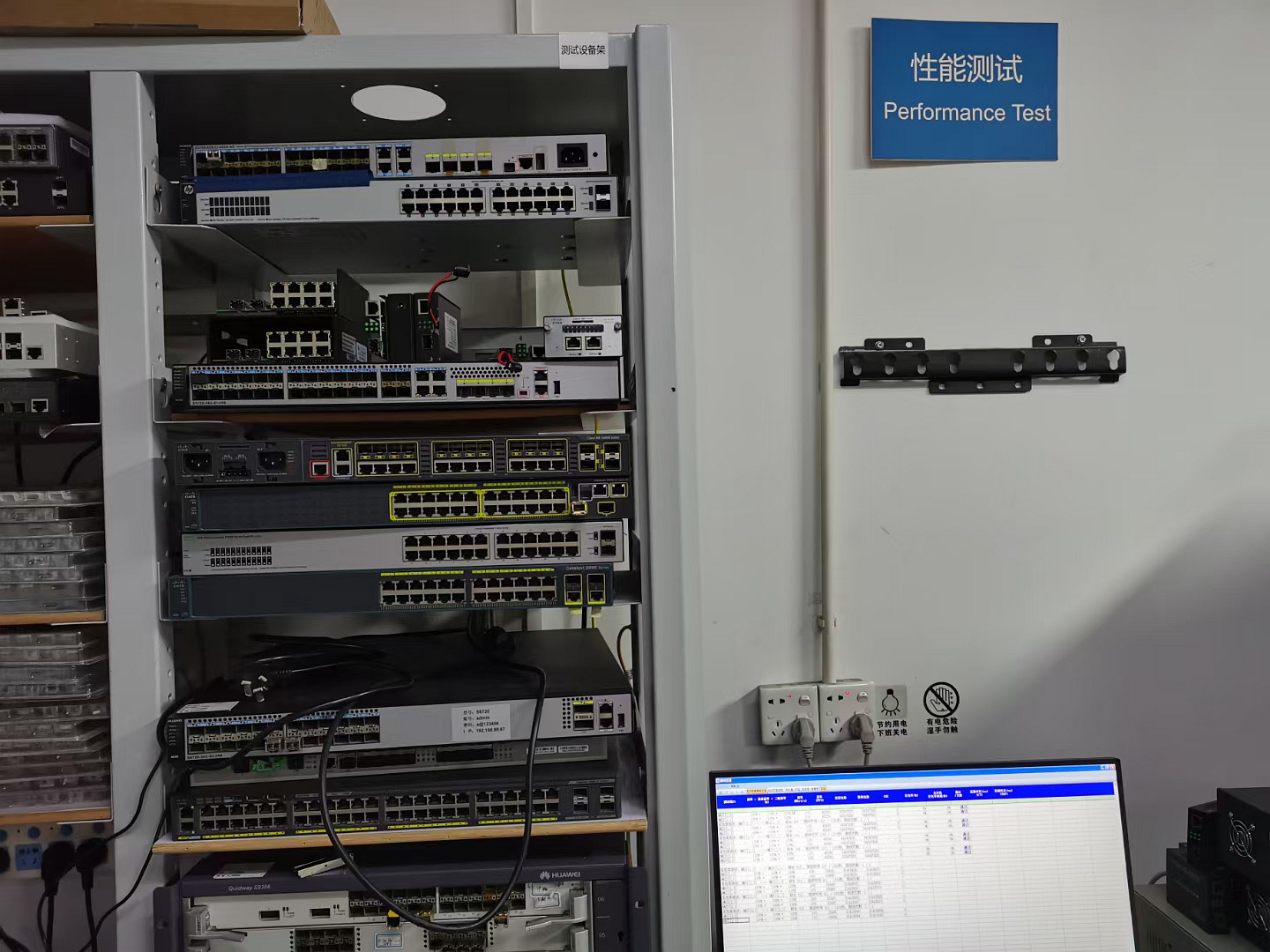
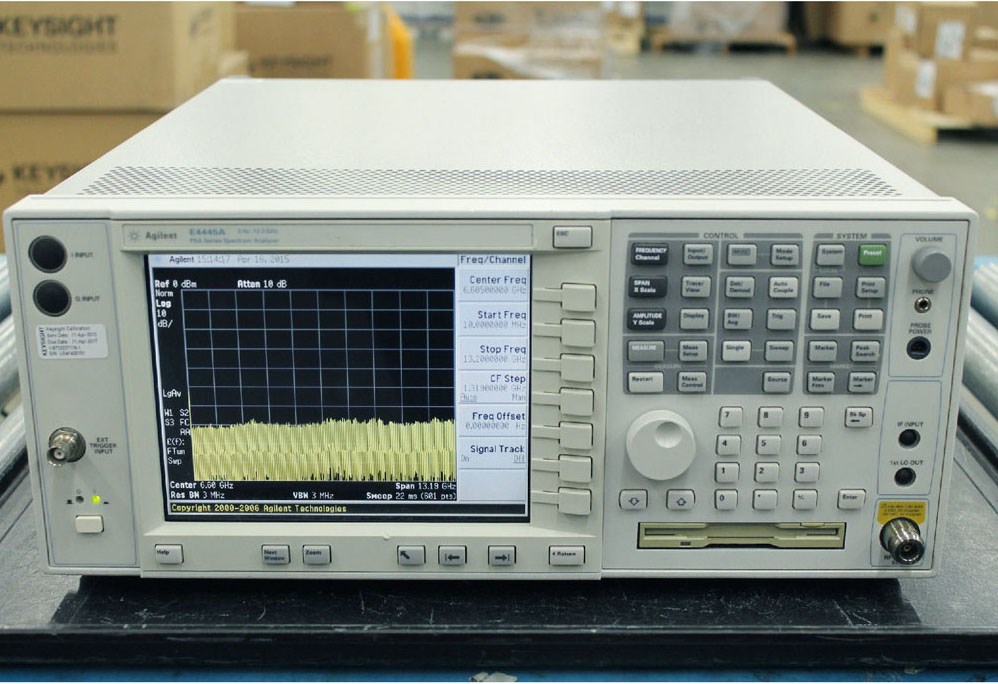
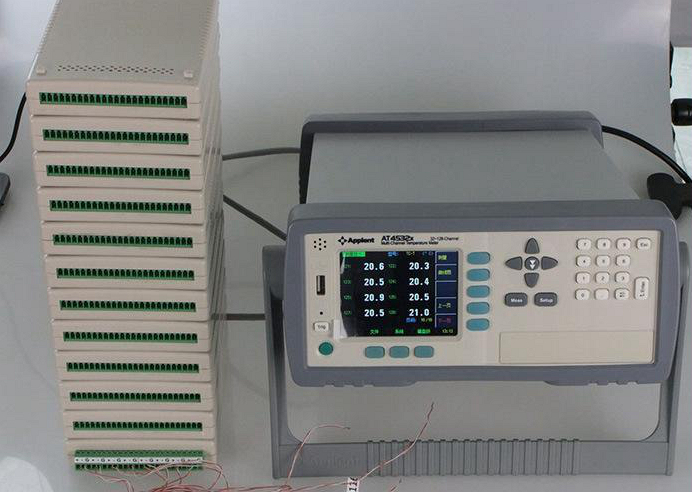
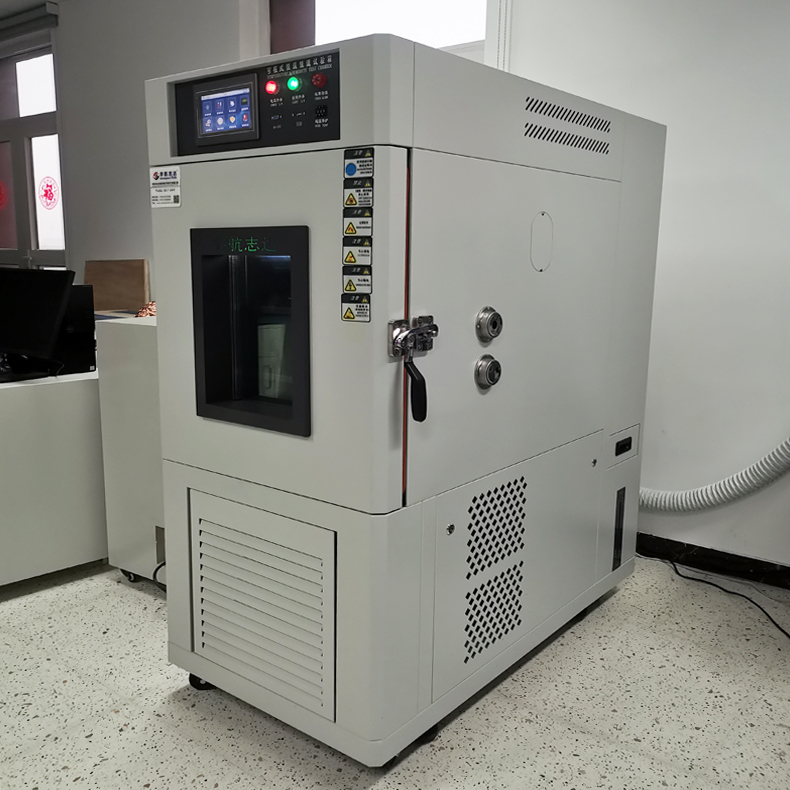
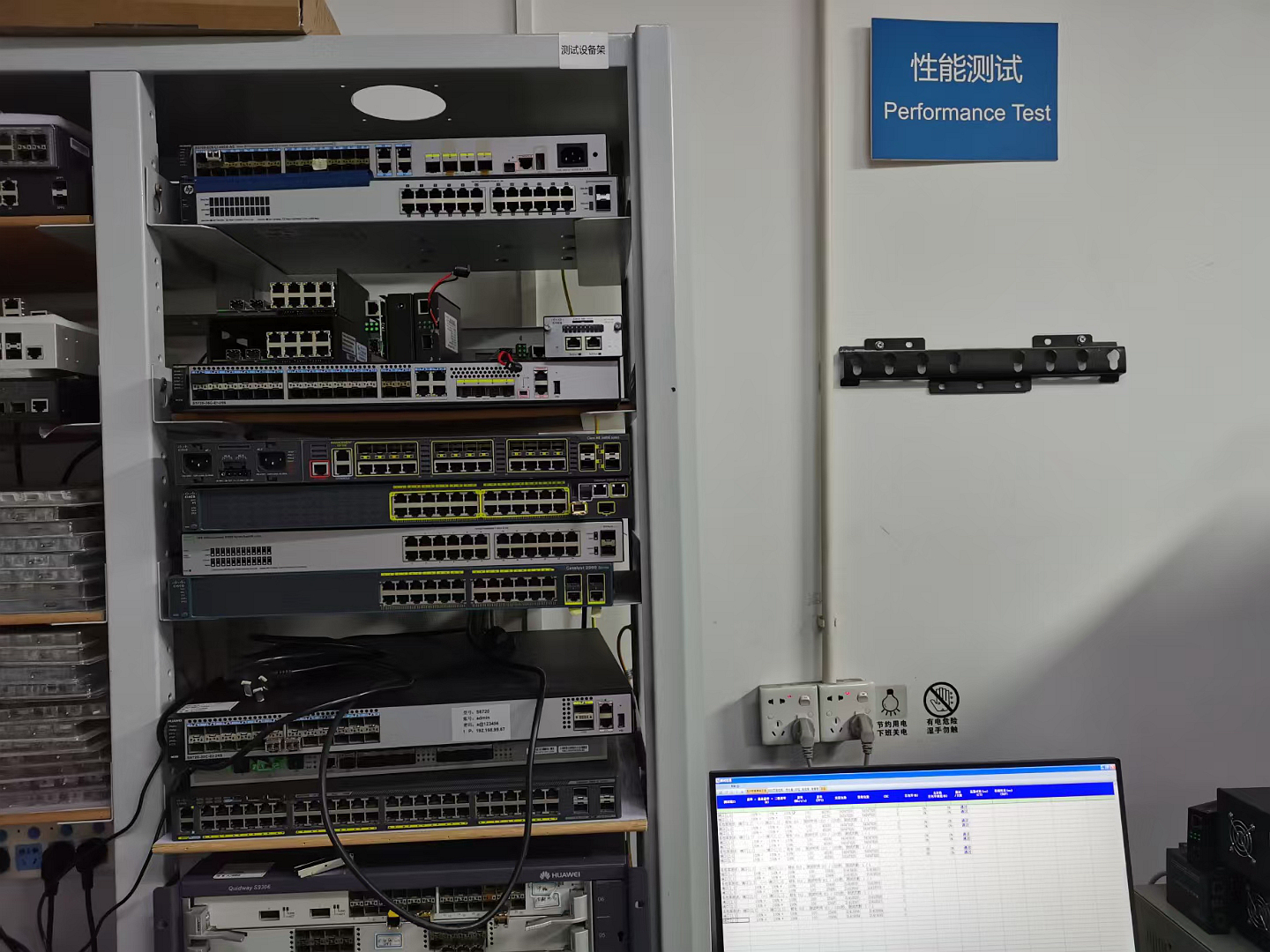
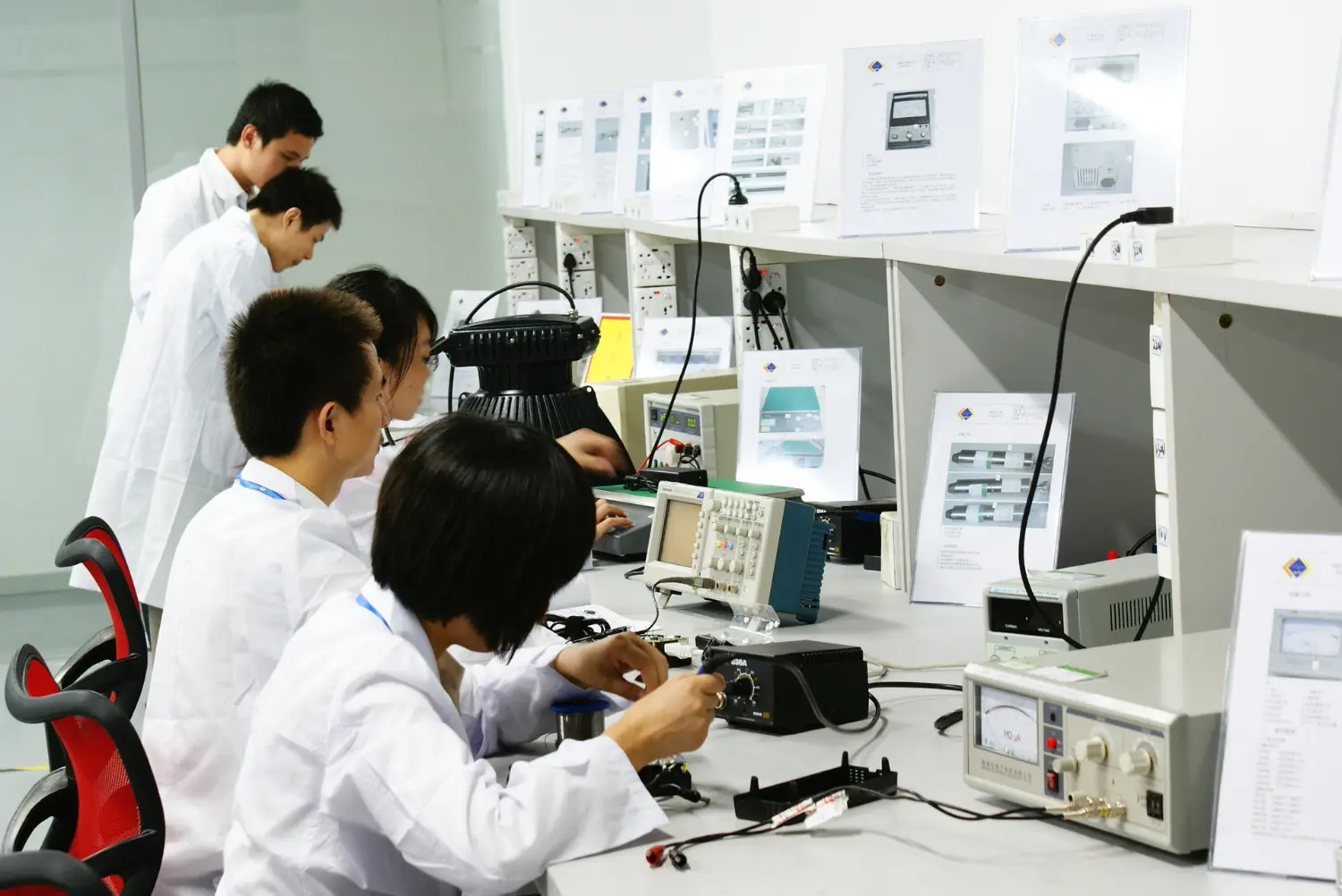

The manufacturing process at Shenzhen Soras Technology Co., Ltd. is structured around specialized verification stages:
| Parameter | Detail / Specification | Parameter | Detail / Specification |
|---|---|---|---|
| Business Type | Manufacturer | Country / Region | Guangdong, China |
| Main Products | FTTH ONU & OLT, SFP Module, Fiber Media Converter, PoE Switch | Total Employees | 11 - 50 People |
| Total Annual Revenue | US$5 Million - US$10 Million | Year Established | 2021 |
| Certifications Passed | ISO 9001, UL, CE, FCC, RoHS | Primary Export Markets | South America, North America, Europe, Eastern Asia |
How high-reliability transmission hardware performs in real-world deployment challenges.
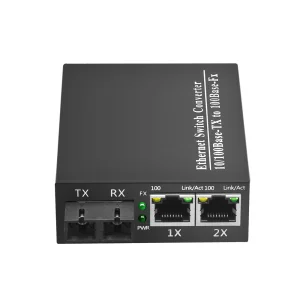
For municipal surveillance networks, cameras are frequently situated kilometers away from control stations. Deploying standard copper cabling is impractical due to attenuation limitations. In these scenarios, system integrators employ **Fiber Media Converters** and **PoE Extenders**. Waterproof, rail-mounted extenders support deep underwater or extreme outdoor setups. The optical media converter converts camera data into optical signals, allowing high-resolution video streams to travel up to 20km or even 80km over single-mode fiber back to centralized storage matrices.
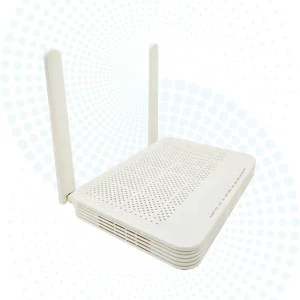
In developing markets, internet service providers (ISPs) require rapid, cost-effective fiber expansion. They utilize dual-band GPON/XPON ONUs and dense GPON OLT central office modules. Utilizing high-performance, cost-effective hardware like the Soras GPON OLT allows ISPs to aggregate thousands of home endpoints. Because these transceivers and ONUs undergo intensive high-low temperature testing, they survive without signal loss in non-climate-controlled local distribution cabinets.
Technical guidance to optimize your network deployments and strategic procurement decisions.
High-performance hardware solutions optimized for dense telecom aggregation and industrial deployments.
 Soras Tech