Premium Carrier-Grade FTTH Access Terminals & Optical Networking Architectures
Engineered for high density, multi-brand compatibility, and resilience in Central Asia's telecom environments. Fully compatible with top international hardware ecosystems.
Kazakhstan, geographically the largest landlocked nation globally, is witnessing an aggressive paradigm shift in its digital infrastructure. Fueled by national development programs like "Digital Kazakhstan" and the continuous urbanization of core hubs like Almaty, Astana, Shymkent, and Karaganda, the appetite for high-bandwidth FTTx connections has surged. Legacy copper-based DSL setups are being systematically dismantled and replaced by carrier-grade Gigabit Passive Optical Networks (GPON) and Ethernet Passive Optical Networks (EPON).
However, deploying FTTH frameworks across Kazakhstan's vast geography is not without its architectural challenges. The continent's extreme weather fluctuations—ranging from blistering summers in the south to sub-zero winter temperatures reaching -40°C in the north—demand optical line terminals (OLT) and subscriber terminals (ONT/ONU) that exhibit high thermal tolerance, component longevity, and hardware robustness. Furthermore, localized internet service providers (ISPs) require hardware that avoids proprietary vendor lock-in, integrating seamlessly with complex mixed-brand legacy central offices.
"Operational Resilience: The primary bottleneck in Central Asian fiber deployments lies in environmental adaptability and multi-vendor interoperability. Our OLT systems are custom-hardened to perform under prolonged extreme thermal loads while delivering unified management across multi-vendor ONT ecosystems."
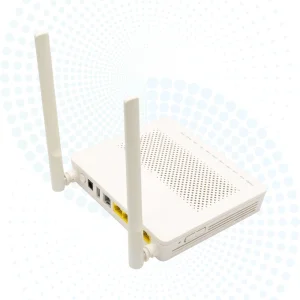
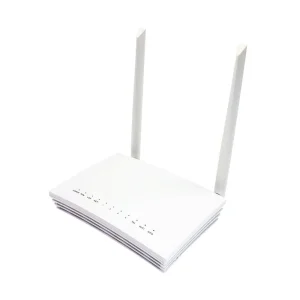
When constructing municipal or industrial fiber loops, engineers must evaluate GPON and EPON options. GPON offers asymmetric bandwidth configurations (2.488 Gbps downstream and 1.244 Gbps upstream) utilizing ATM encapsulation. This architecture delivers high spectral efficiency (GEM frames) and supports extensive class-of-service parameters, making it optimal for densely populated metropolitan sectors like Almaty and Astana.
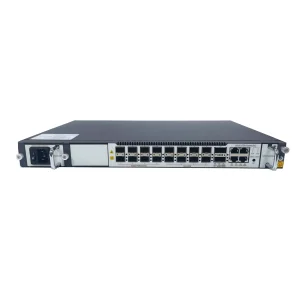
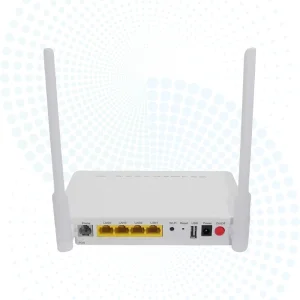
EPON, utilizing native Ethernet transport, operates symmetrically at 1.25 Gbps. This simplifies network protocols and lowers the hardware barrier to entry, providing a highly cost-effective solution for rural communities and regional enterprise loops where massive bandwidth density is not the primary limiting factor. Soras Technology offers versatile multi-mode OLT solutions, supporting both EPON and GPON standards on a singular chassis, facilitating a smooth operational transition to higher capacities like 10G-EPON and XG(S)-PON.
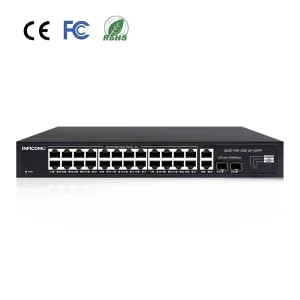
Engineered for security backhaul, municipal IP surveillance, and localized enterprise routing networks across Kazakhstan's Smart City infrastructure projects.
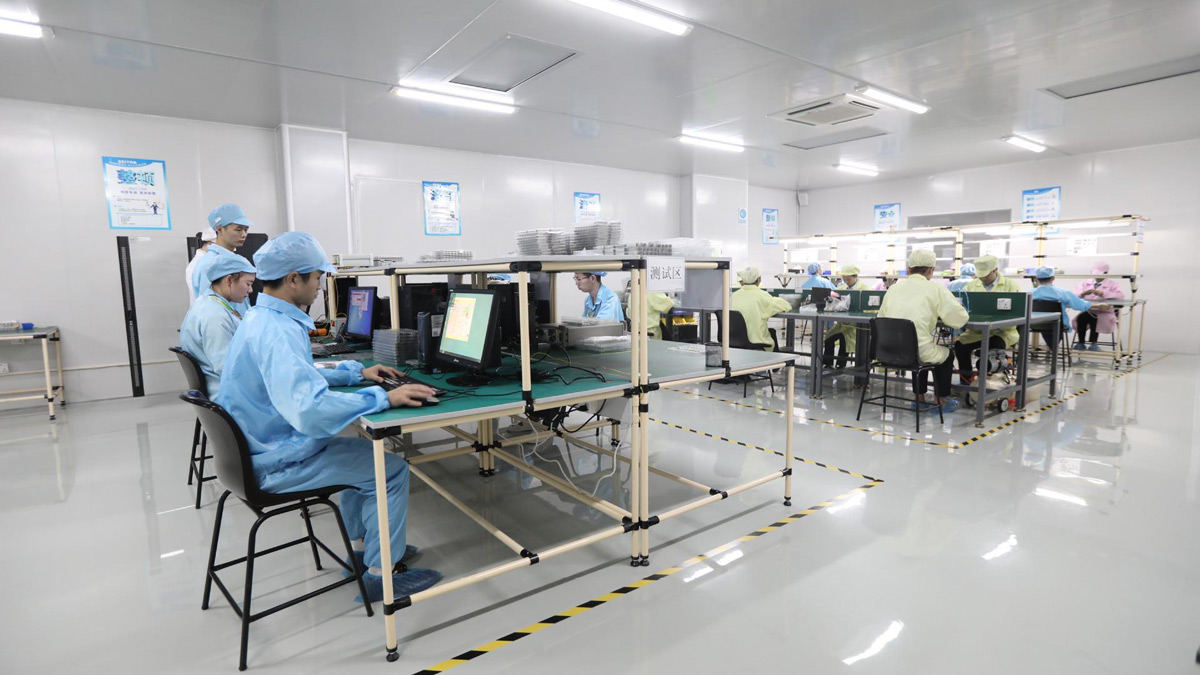
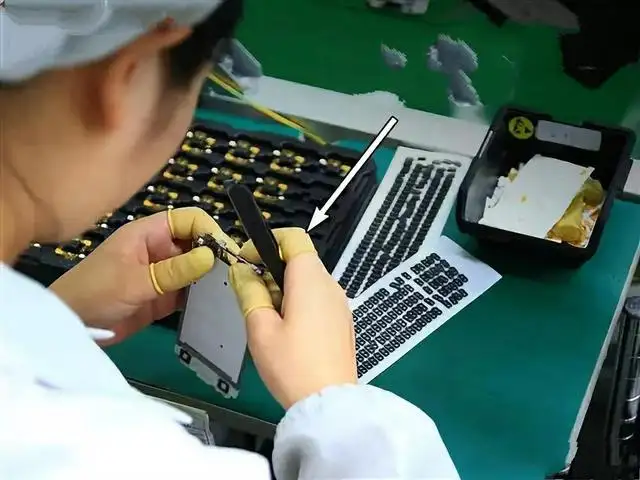
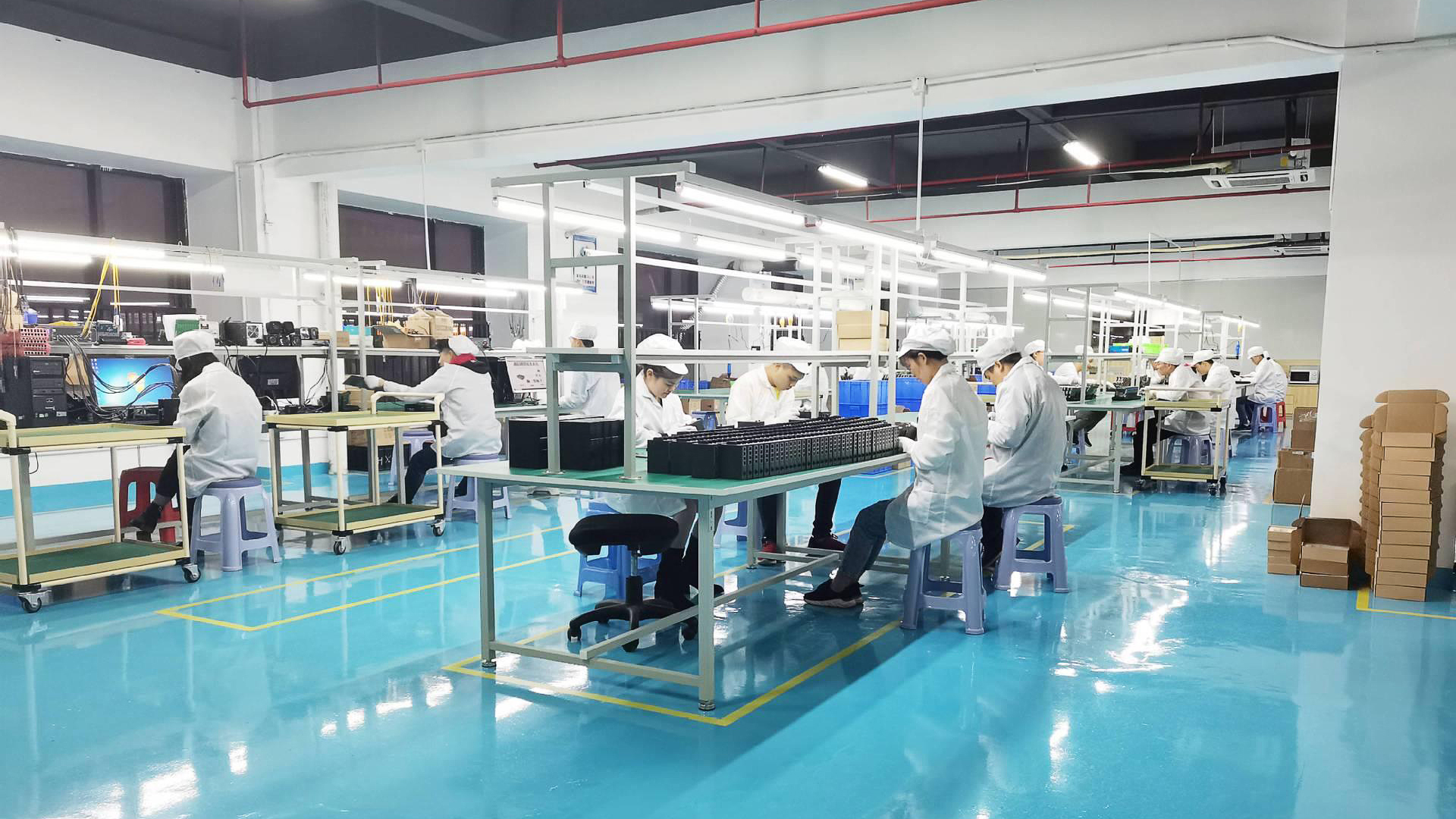
The foundation of our market success in the export of active optical telecommunications hardware lies in our fully optimized Shenzhen manufacturing plant. Soras Technology leverages modern Industry 4.0 design paradigms, coupling automated surface mount technology (SMT) with precision functional test modules. This setup minimizes physical touchpoints, optimizing product consistency while scaling volume manufacturing to meet global ISP deadlines.
To serve the distinct needs of Kazakh telecommunications firms, our manufacturing pipelines are designed for flexible logistics and rapid direct deliveries. By utilizing direct overland container rail transit originating from Shenzhen and routing through the Khorgos-Eastern Gate Special Economic Zone, we achieve trans-Eurasian shipment cycles of 10 to 12 days. This transit timeframe represents a substantial improvement over standard oceanic freight routes, offering a decisive competitive advantage for network rollouts.
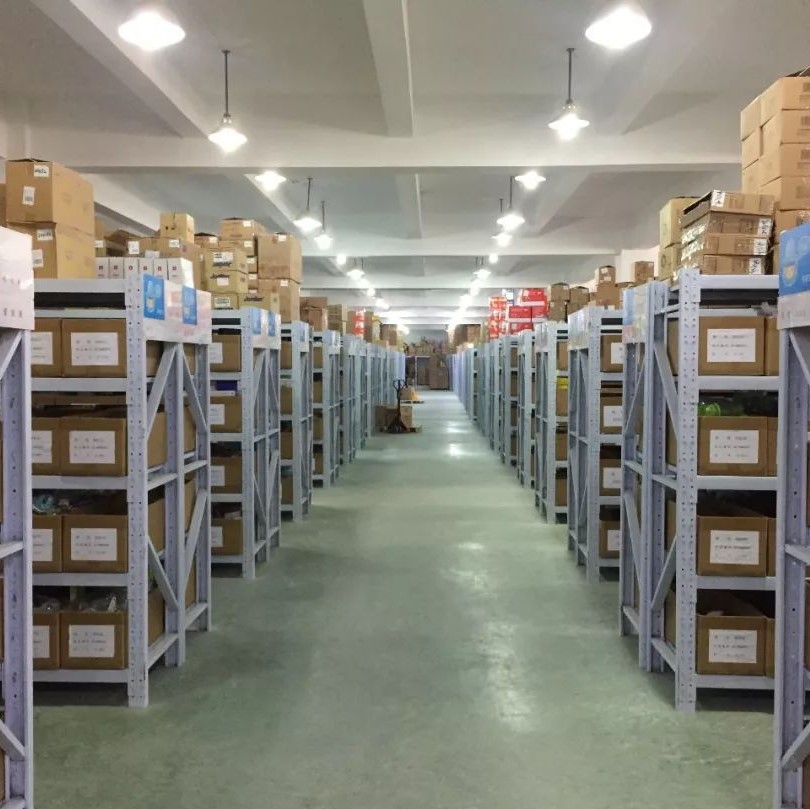
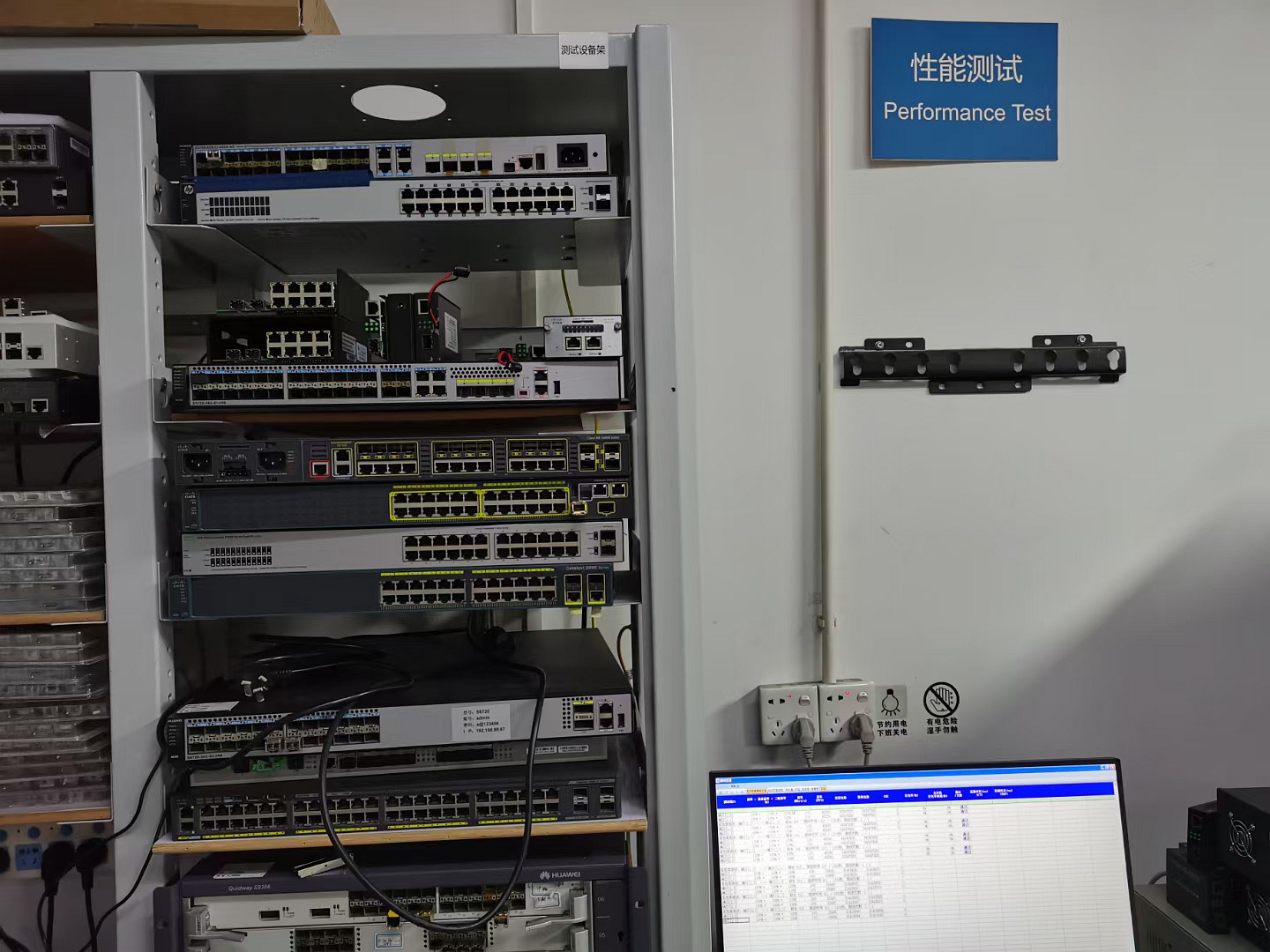
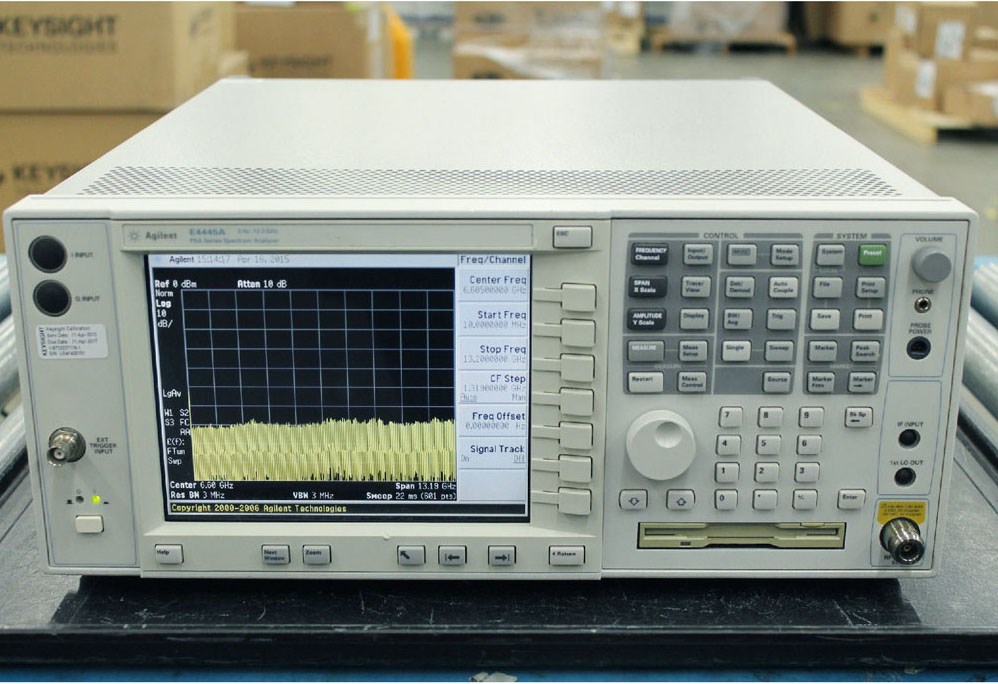
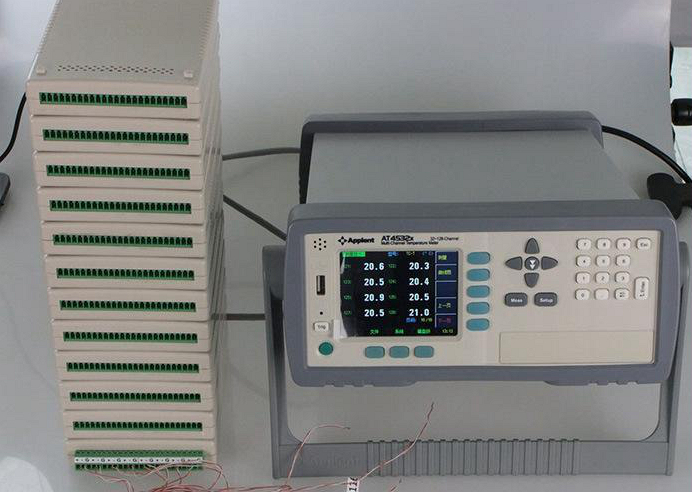
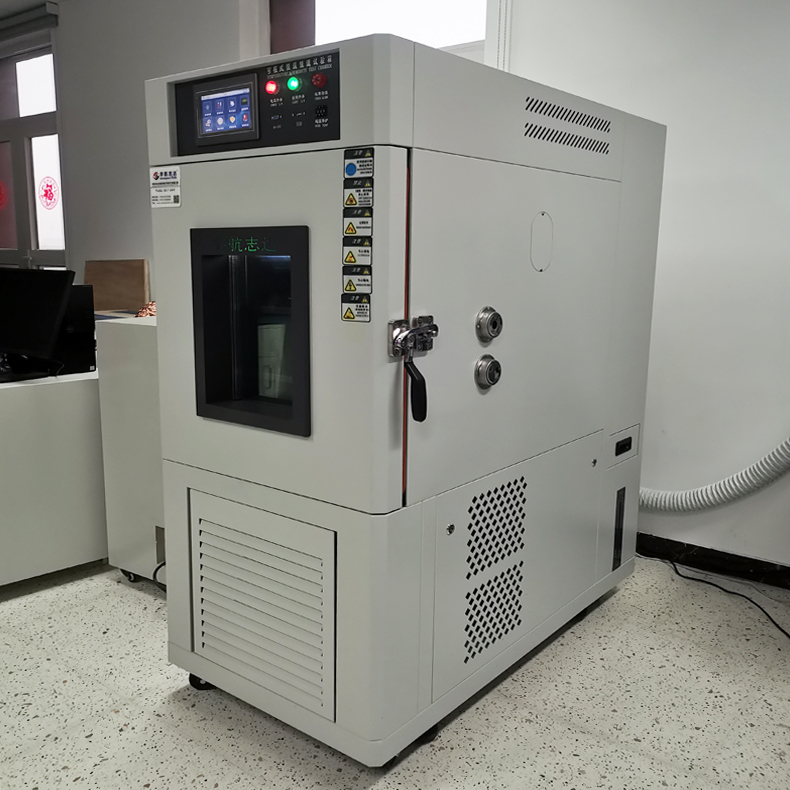
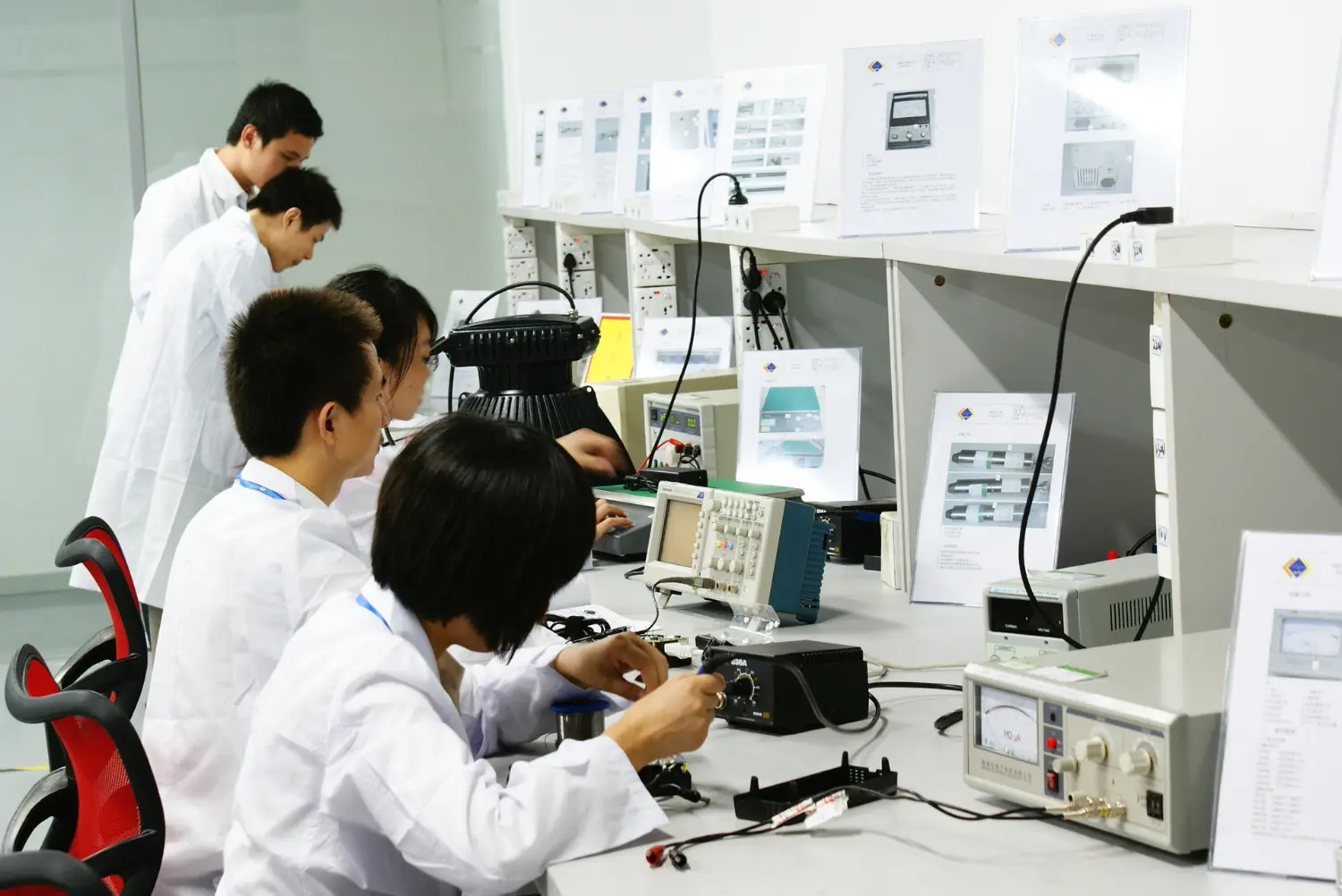
Furthermore, every OLT, ONU, and transceiver module undergoes extensive validation. Before leaving our warehouse, equipment is subjected to bit-error-rate testing (BERT), high-speed WiFi spectrum calibration, and thermal stress tests in environmental chambers. By simulating real-world operational scenarios, we verify the reliable performance of our GPON/EPON terminals in extreme conditions.
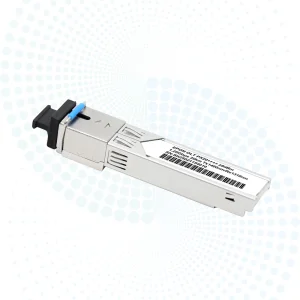
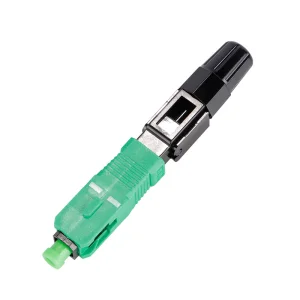
From long-range multi-gigabit transceivers to passive fast connectors, our range provides critical components to complete the FTTx optical loop.
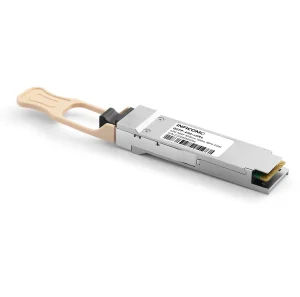
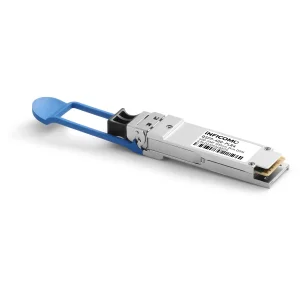
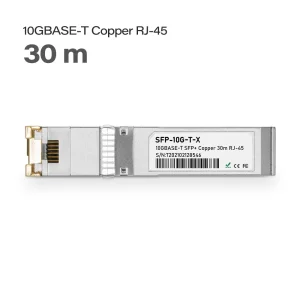
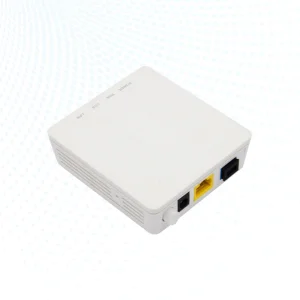

As a trusted OEM/ODM technology partner, Shenzhen Soras Technology Co., Ltd. combines rigorous quality control systems with a dedicated R&D team to support major networks globally.
Shenzhen Soras Technology Co., Ltd. is a leading manufacturer of optical transmission equipment and network equipment with more than 10 years of experience. We rely on high-quality management and technological innovation, committed to providing customers with high quality, cost-effective, high value-added products and solutions.
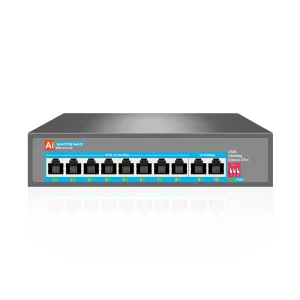
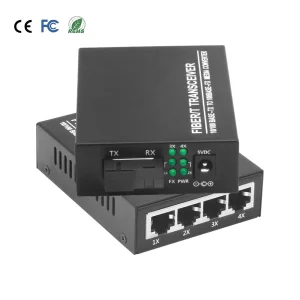
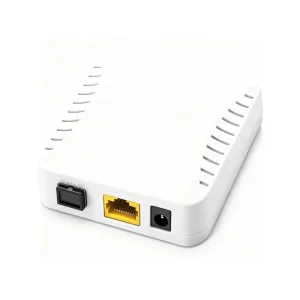
Today, we work closely with telecommunications companies around the world. We have strong technical force and experienced R&D team, products can be developed according to customer requirements, we also accept your OEM and ODM orders. Now our products are exported to more than 60 countries, the main markets are South America, North America and Europe. Our main products: Fiber Media Converter, SFP Module, POE Switch, ONU, OLT and supporting products. We have passed ISO 9001, UL, CE, FCC, ROHS Certification, our aim is "superior quality, professional service, competitive price, integrity-based". We believe this is not only our responsibility, but also the best way out for long-term development. Soraslink looks forward to working with you!
| Business type | Manufacturer | Country / Region | Guangdong, China |
| Main Products | FTTH ONU & OLT, SFP Module, Fiber Media Converter, Poe Switch, Fiber Optic Equipment | Total employees | 11 - 50 People |
| Total Annual Revenue | US$5 Million - US$10 Million | Year established | 2021 |
| Main Markets | Domestic Market 24.00%, Eastern Asia 15.00%, North America 15.00% | ||

Get answers to technical considerations regarding interoperability, climate adaptation, and logistics when importing optical hardware to Kazakhstan.
Get in touch with our engineering team today for technical details, localized case studies, and volume discount pricing for GPON/EPON deployment projects.
 Soras Tech