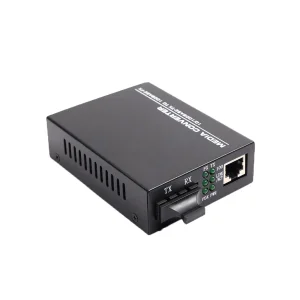
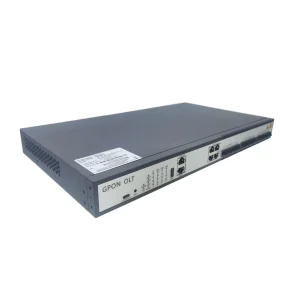
Accelerate gigabit optical deployment across Mumbai's high-density telecom nodes with our industry-leading active equipment.
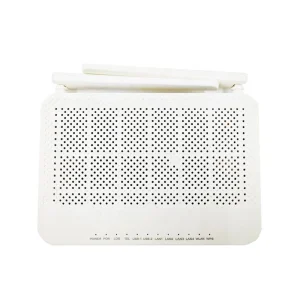
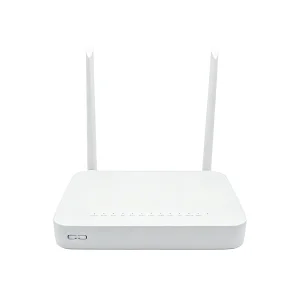
Mumbai, the financial powerhouse and digital epicentre of India, is experiencing an unprecedented surge in data consumption. Driven by the Indian government's "Digital India" initiative, alongside the growth of cloud computing, smart city projects, and streaming media, Mumbai's telecom infrastructure demands massive capacity upgrades. Traditional Gigabit Passive Optical Networks (GPON), while serving the market effectively for years, are reaching physical bandwidth limitations. As Mumbai's enterprises and residential clusters transform, local ISPs and network operators are transiting rapidly to Next-Generation XG/XGS-PON OLT architectures.
The difference between GPON and XGS-PON is fundamental. GPON delivers a shared bandwidth of 2.5 Gbps downstream and 1.25 Gbps upstream. Under high subscriber densities, this architecture results in bottlenecked speeds during peak hours. In contrast, XGS-PON offers symmetric 10 Gbps capability, meaning downstream and upstream data flows at equal speeds. This is crucial for Mumbai's booming financial hubs in Bandra Kurla Complex (BKC) and Nariman Point, where real-time database syncing, high-frequency financial transactions, and intensive cloud collaborations are daily necessities.
For local Mumbai distributors, system integrators, and telecom service providers, securing a reliable pipeline for carrier-grade OLTs from a reputable manufacturer is paramount. Partnering with a proven technology provider guarantees that the deployed networks meet India's strict quality metrics while keeping deployment costs highly competitive.
One of the primary challenges for Mumbai network engineers is upgrading active systems without rendering current passive fiber distribution networks obsolete. The ITU-T G.9807.1 standard (XGS-PON) addresses this through an elegant wavelength-coexistence plan. XGS-PON operates at 1577nm for downstream and 1270nm for upstream. This leaves standard GPON wavelengths (1490nm downstream/1310nm upstream) completely unaffected.
Using Coexistence Elements (CEX) or External Wavelength Division Multiplexing (WDM) modules, operators can introduce 10G capability on the same fiber trunk. This means that a GPON user and an XGS-PON user in the same housing complex in Andheri or Thane can share the exact same physical fiber strand.
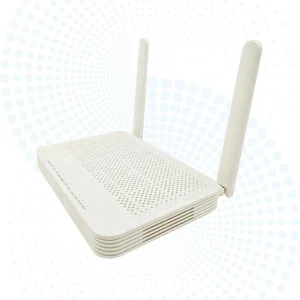
Extend optical networks and optimize end-user connectivity with high-efficiency terminal hardware.

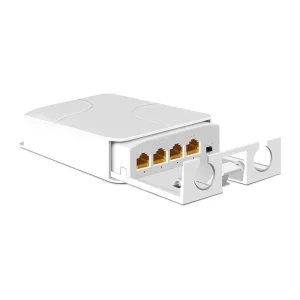
When deploying large-scale FTTx projects in Mumbai, sourcing equipment directly from Shenzhen-based factories like Shenzhen Soras Technology Co., Ltd. offers unparalleled supply chain advantages. Soras operates a fully optimized manufacturing ecosystem in Guangdong, China. This region is the absolute global hub for optical transceiver fabrication, raw fiber material sourcing, and specialized chipset assembly.
The production process at our facility utilizes high-precision automated Surface Mount Technology (SMT) lines. This automation ensures that delicate optical circuits, laser diodes, and processing chipsets are placed with micron-level precision, reducing the rates of mechanical failure to near zero. Following assembly, our active devices undergo strict Quality Control (QC) protocols and simulation tests. This includes High-Low (H-L) Temperature Chamber tests, which are crucial for active OLT and ONT systems deployed in India. These units must withstand the intense heat of Indian summers inside outdoor telecom cabinets without experiencing signal drift or component degradation.
Furthermore, our direct-from-factory business model eliminates unnecessary intermediaries, allowing us to offer extremely competitive pricing to distributors in Mumbai. We guarantee robust containerized logistics, short lead times, and comprehensive OEM/ODM customization capabilities, allowing Indian ISPs to procure custom-branded housing, customized firmware configurations, and localized packaging.
Our production facility in Shenzhen leverages advanced machinery to manufacture high-yield, premium-grade optical components.
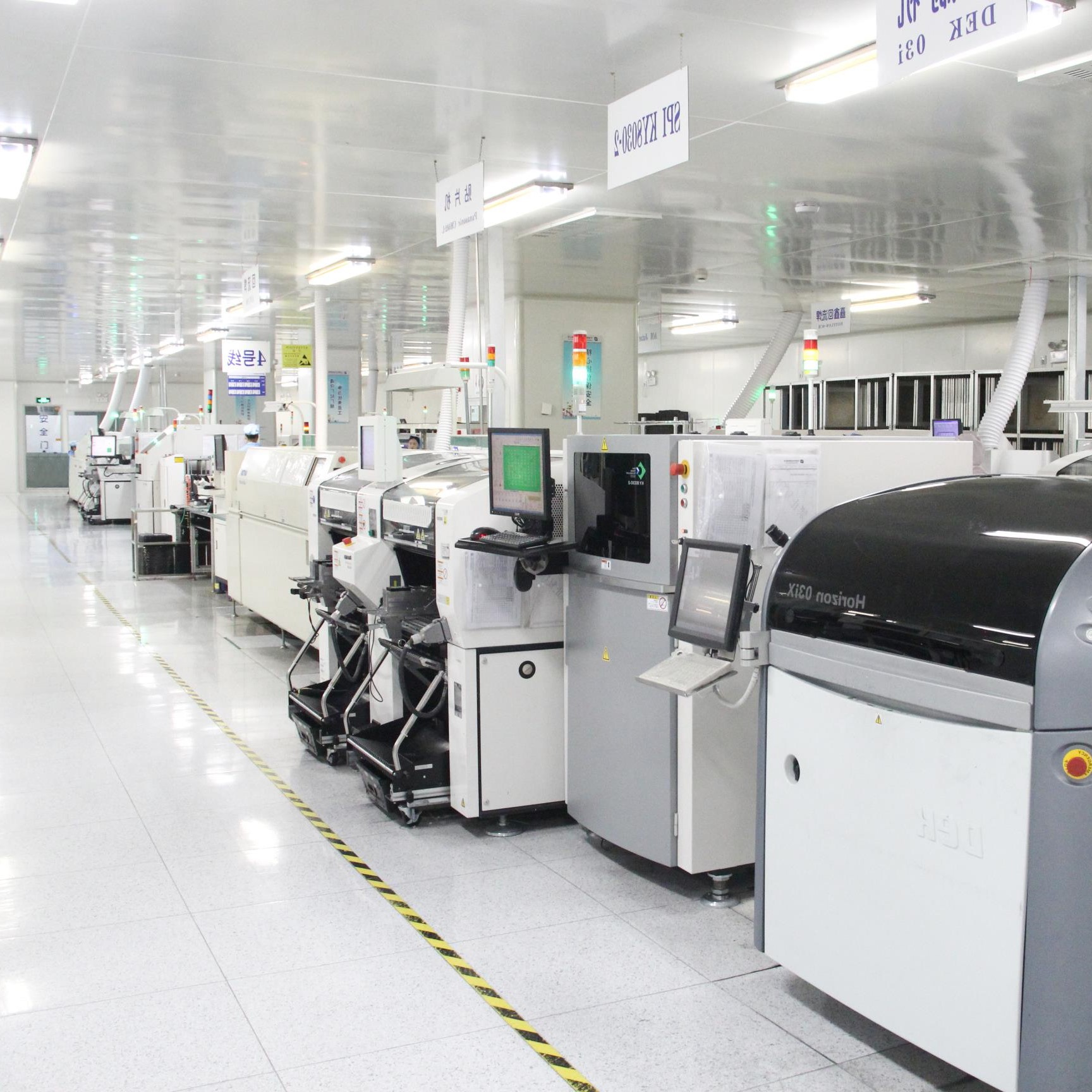
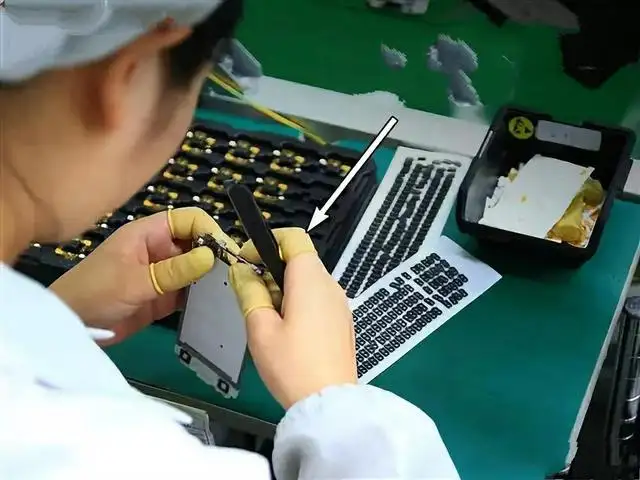
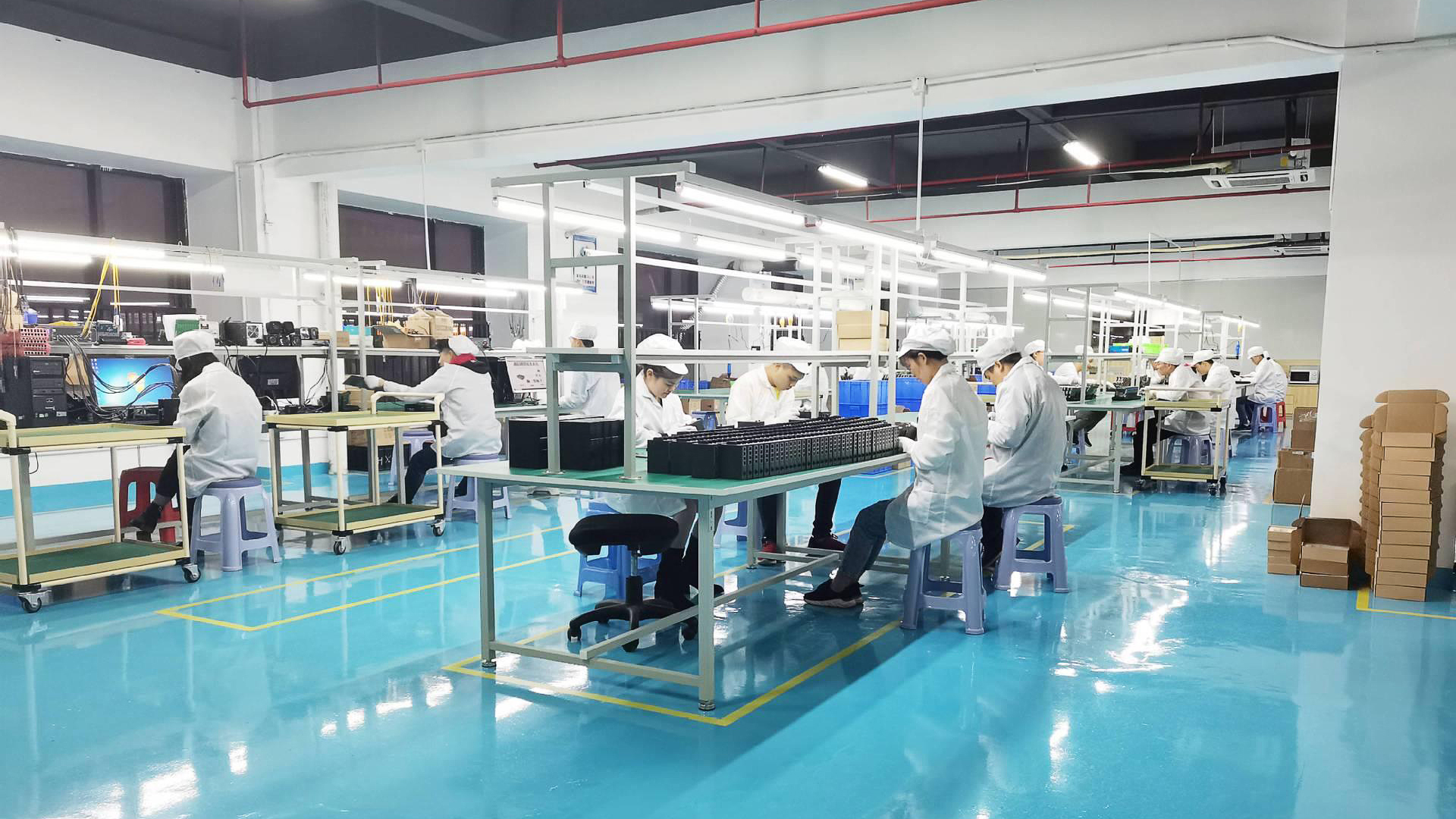
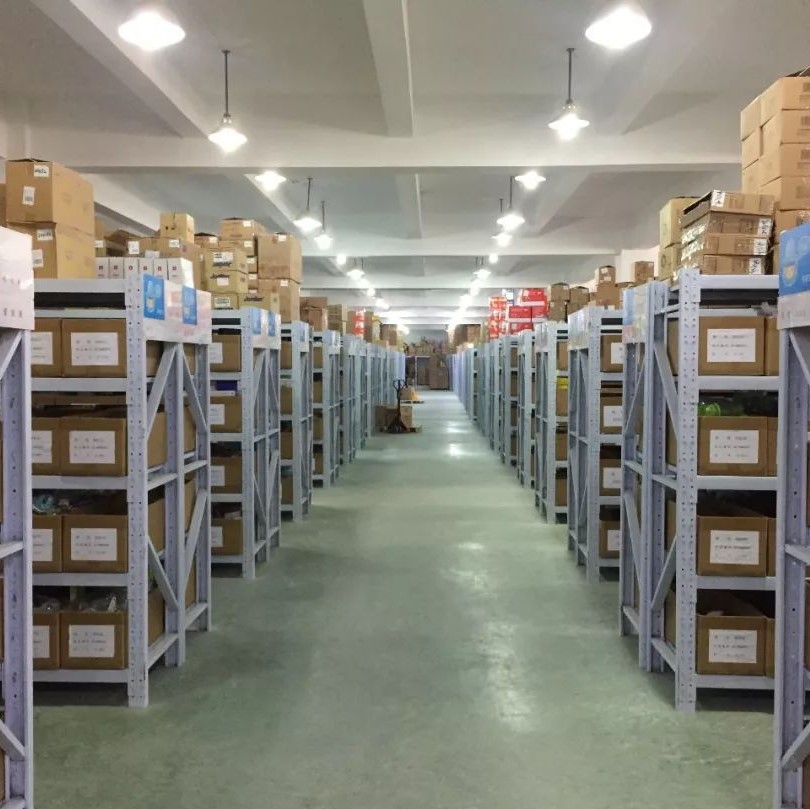
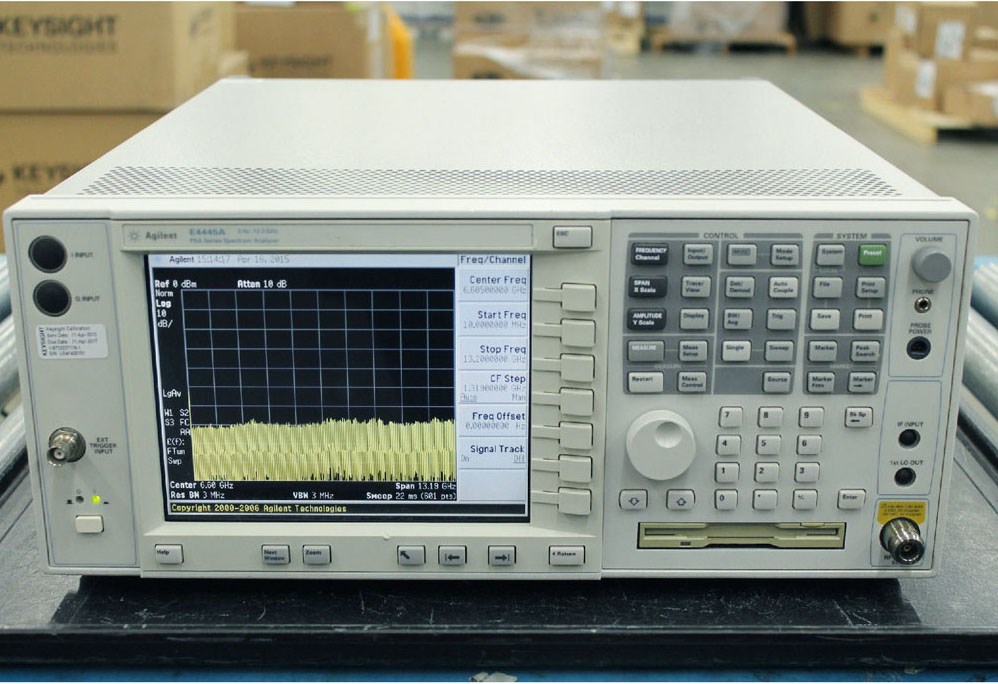
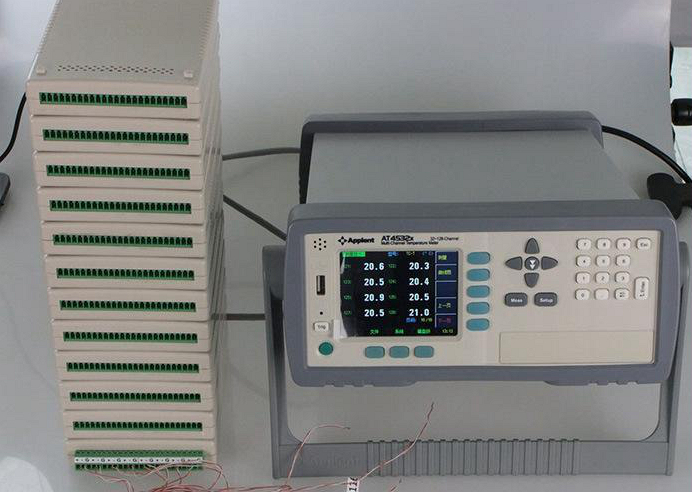
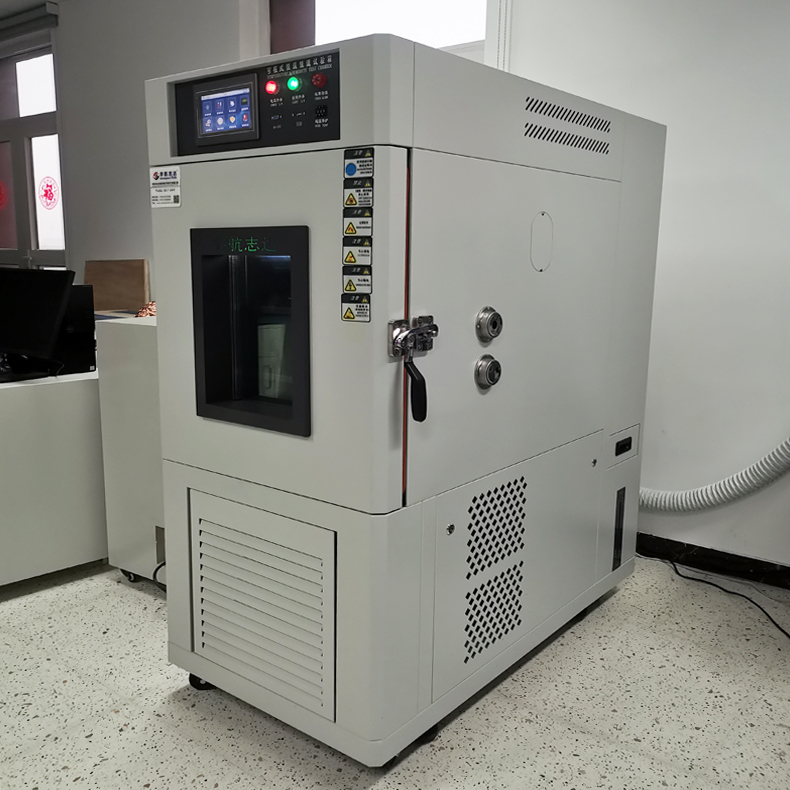
Shenzhen Soras Technology Co., Ltd. is a leading manufacturer of optical transmission equipment and network equipment with more than 10 years of experience. We rely on high-quality management and technological innovation, committed to providing customers with high quality, cost-effective, high value-added products and solutions. Today, we work closely with telecommunications companies around the world. We have strong technical force and experienced R&D team; products can be developed according to customer requirements, and we also accept your OEM and ODM orders. Now our products are exported to more than 60 countries, the main markets are South America, North America, and Europe. Our main products: Fiber Media Converter, SFP Module, POE Switch, ONU, OLT, and supporting products. We have passed ISO 9001, UL, CE, FCC, ROHS Certification, our aim is "superior quality, professional service, competitive price, integrity-based". We believe this is not only our responsibility, but also the best way out for long-term development. Soraslink looks forward to working with you!
| Corporate Statistics & Manufacturing Profile | |||
|---|---|---|---|
| Business Type | Manufacturer / Exporter | Country / Region | Guangdong, China (Global Optical Hub) |
| Main Products | FTTH ONU & OLT, SFP Module, Fiber Media Converter, POE Switch, Fiber Optic Equipment | Total Employees | 11 - 50 Professional Staff |
| Total Annual Revenue | US$5 Million - US$10 Million | Year Established | 2021 |
| Main Markets | Domestic Market 24%, Eastern Asia 15%, North America 15%, Europe & South America | Certifications | ISO 9001, UL, CE, FCC, RoHS Compliant |
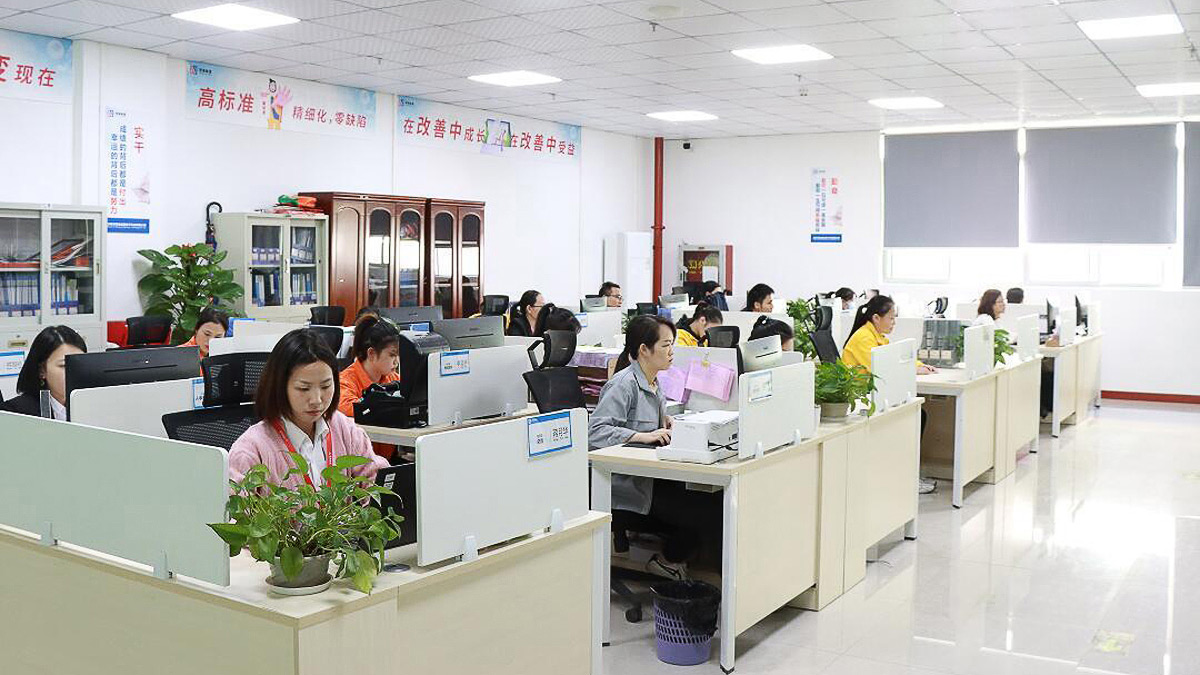
Deploying active telecommunication hardware in India requires strict adherence to localized regulatory frameworks and unique operational environments. The Telecommunication Engineering Centre (TEC) under the Department of Telecommunications (DoT) of India mandates Essential Requirements (ER) for optical equipment under the MTCTE (Mandatory Testing and Certification of Telecom Equipment) phase. Our GPON and XG/XGS-PON OLT models are constructed utilizing globally accepted chipset platforms that facilitate compliance with these Indian telecom testing guidelines.
Besides regulatory compliance, physical site conditions in the Mumbai Metropolitan Region pose operational hurdles. High humidity during monsoons, combined with salinity in coastal suburbs such as Colaba, Bandra, and Versova, can cause rapid corrosion in metallic network parts. To combat this, Soras active components undergo conformal coating processes to protect PCBs from dust and humidity.
Furthermore, power supply variations in semi-urban sectors around Mumbai are solved by our OLT design incorporating Dual Hot-Swappable Power Supplies (supporting simultaneous AC and -48V DC feeds). This ensures zero down-time for active loops even if one power phase collapses.
As the metropolitan region shifts towards smart infrastructure, including automated toll collection, IoT environmental sensors, and advanced municipal fiber grids, the volume of upstream traffic is rising rapidly. XGS-PON is uniquely positioned to handle this. While downstream channels in standard XG-PON peak at 10 Gbps and upstream at 2.5 Gbps, XGS-PON provides a dedicated symmetric 10 Gbps uplink capacity. This makes it the ideal technology choice for commercial business parks, shared offices, and multi-tenant buildings where cloud uploads and high-definition video feeds are common.
With Soras Technology's comprehensive fiber portfolio, Mumbai ISPs can establish modular upgrade structures. By utilizing GPON systems in less demanding areas and rolling out XGS-PON in high-capacity zones, companies can optimize their hardware investments while preparing their networks for the future.
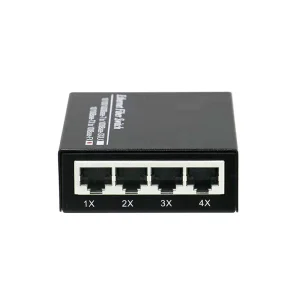
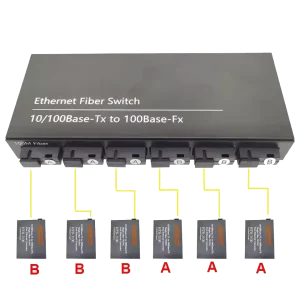
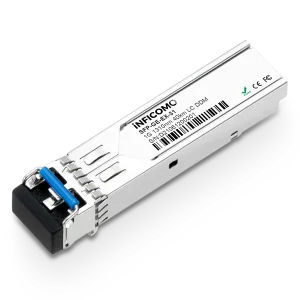
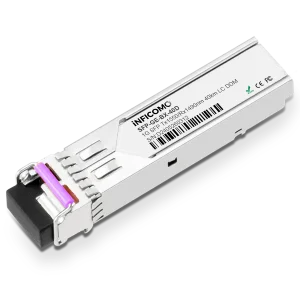
A comprehensive selection of SFP modules, transceivers, media converters, and high-port OLT systems for Mumbai network deployments.
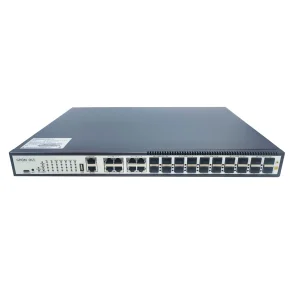
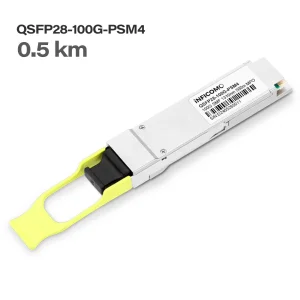
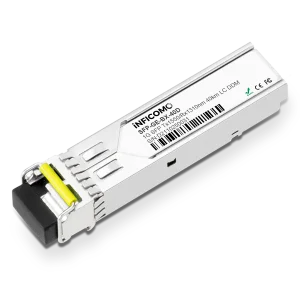
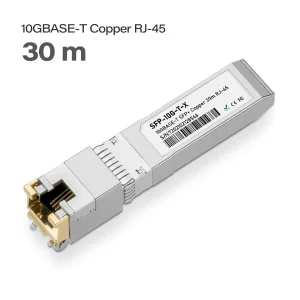
Technical answers for system integrators, network architects, and ISP operators deploying FTTx solutions in Mumbai.
 Soras Tech